Herb Turkey Breast Roast with Gravy

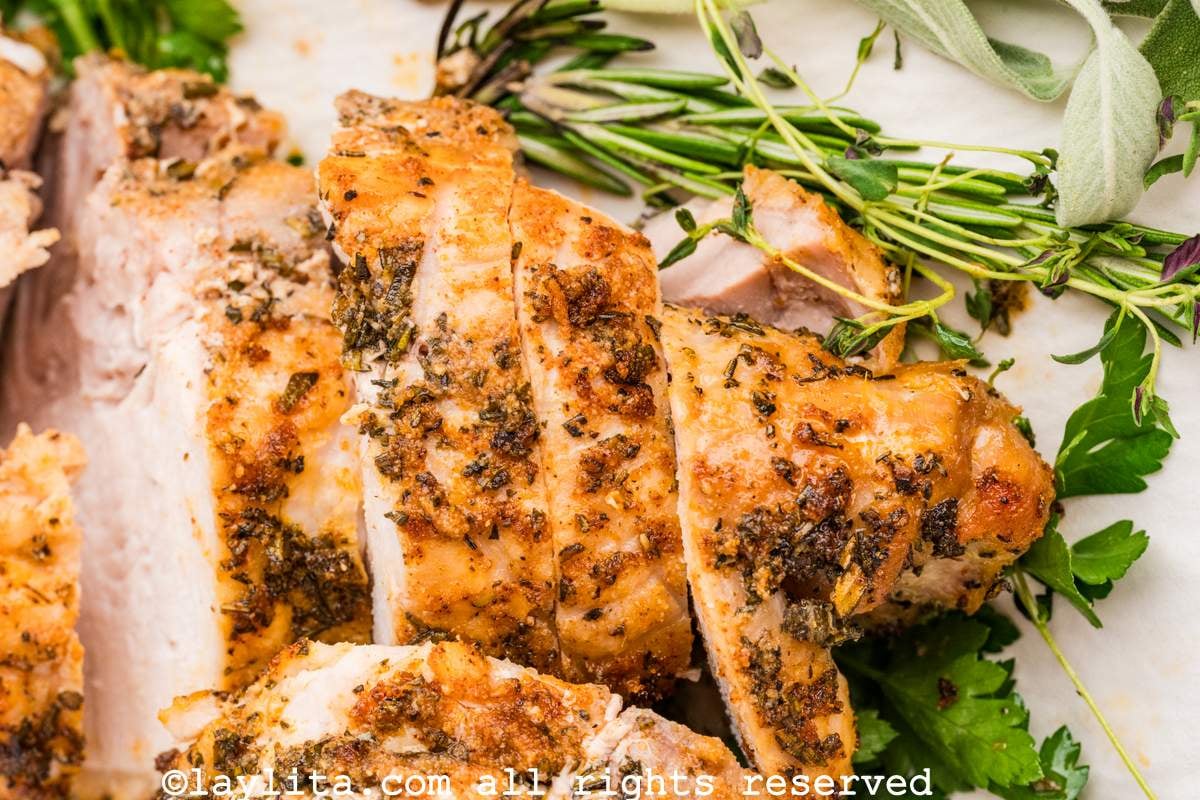
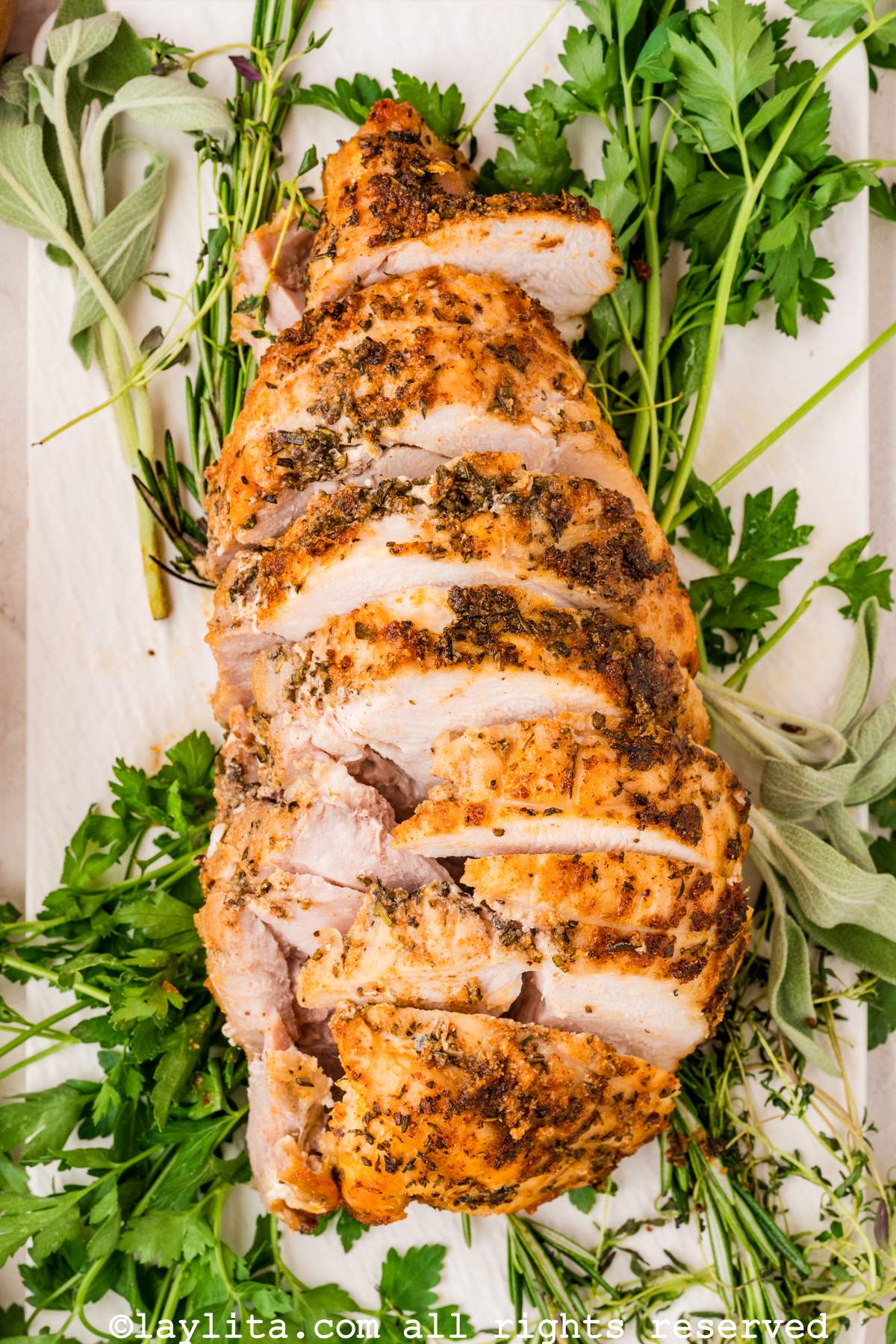
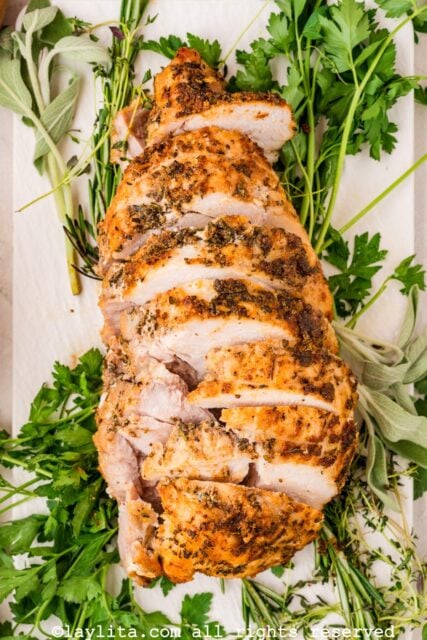
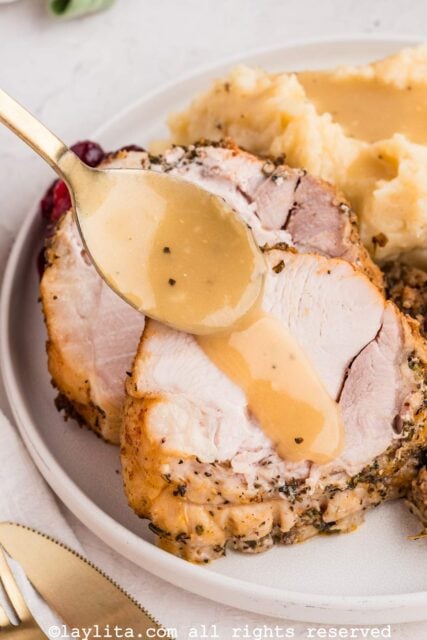
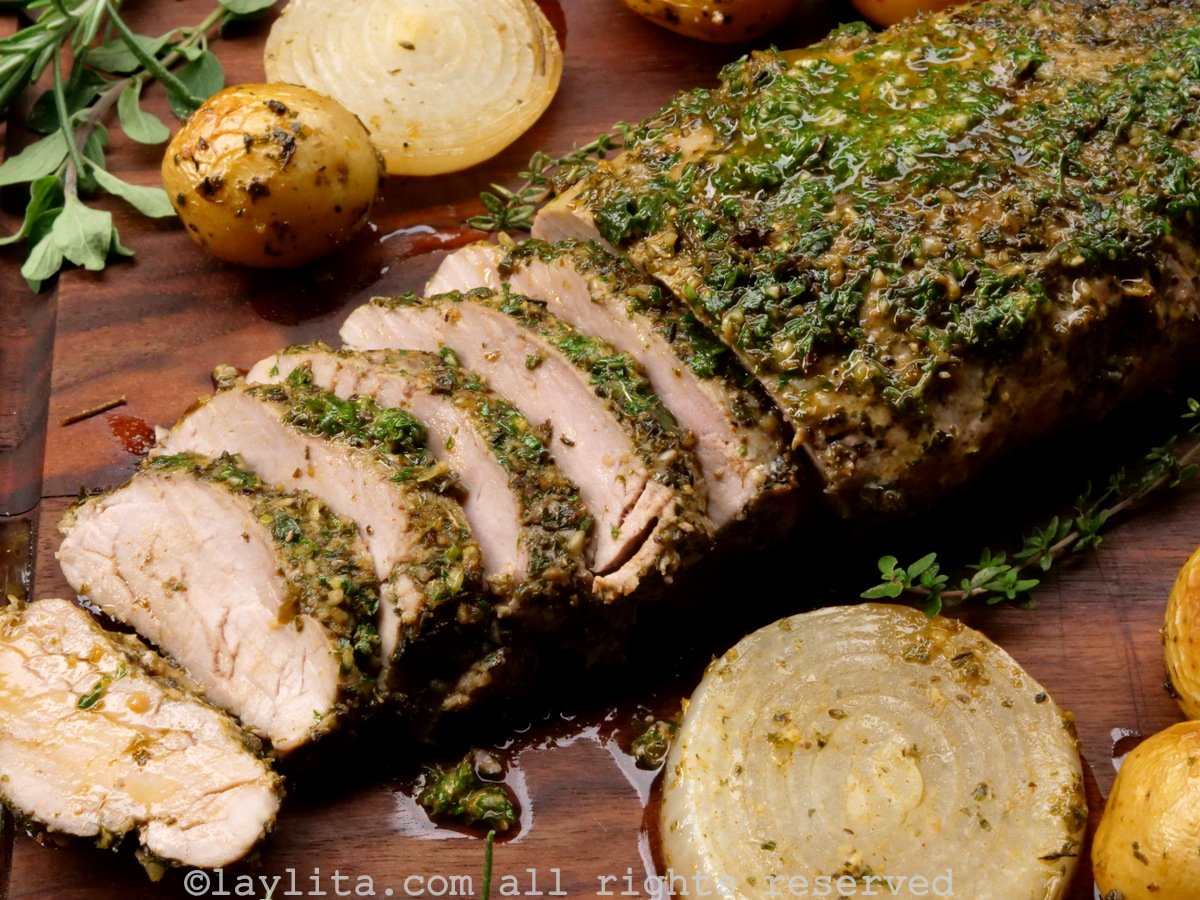
This Herb Turkey Breast Roast is rubbed with fresh rosemary, sage, thyme, garlic, and spices before roasting until tender and flavorful. Served with a rich homemade gravy made from the savory pan drippings, it’s an easy alternative to roasting a whole turkey for Thanksgiving or a holiday dinner.
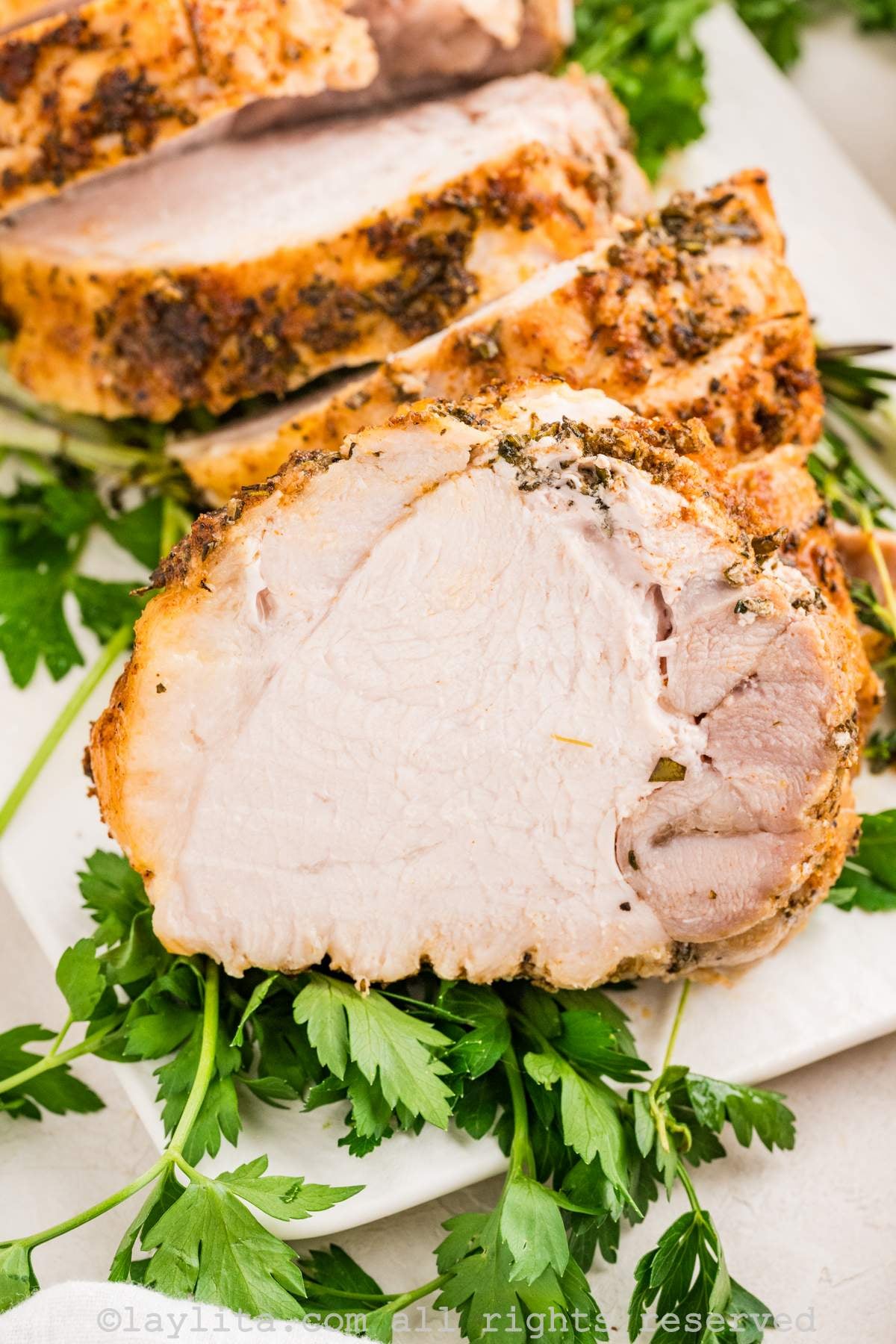
Not everyone wants to wrangle a whole turkey, and truthfully, you don’t have to. This easy boneless turkey breast roast with gravy gets you all the golden, juicy, herb-crusted flavor of a holiday centerpiece, plus a rich homemade gravy, in a fraction of the time and effort.
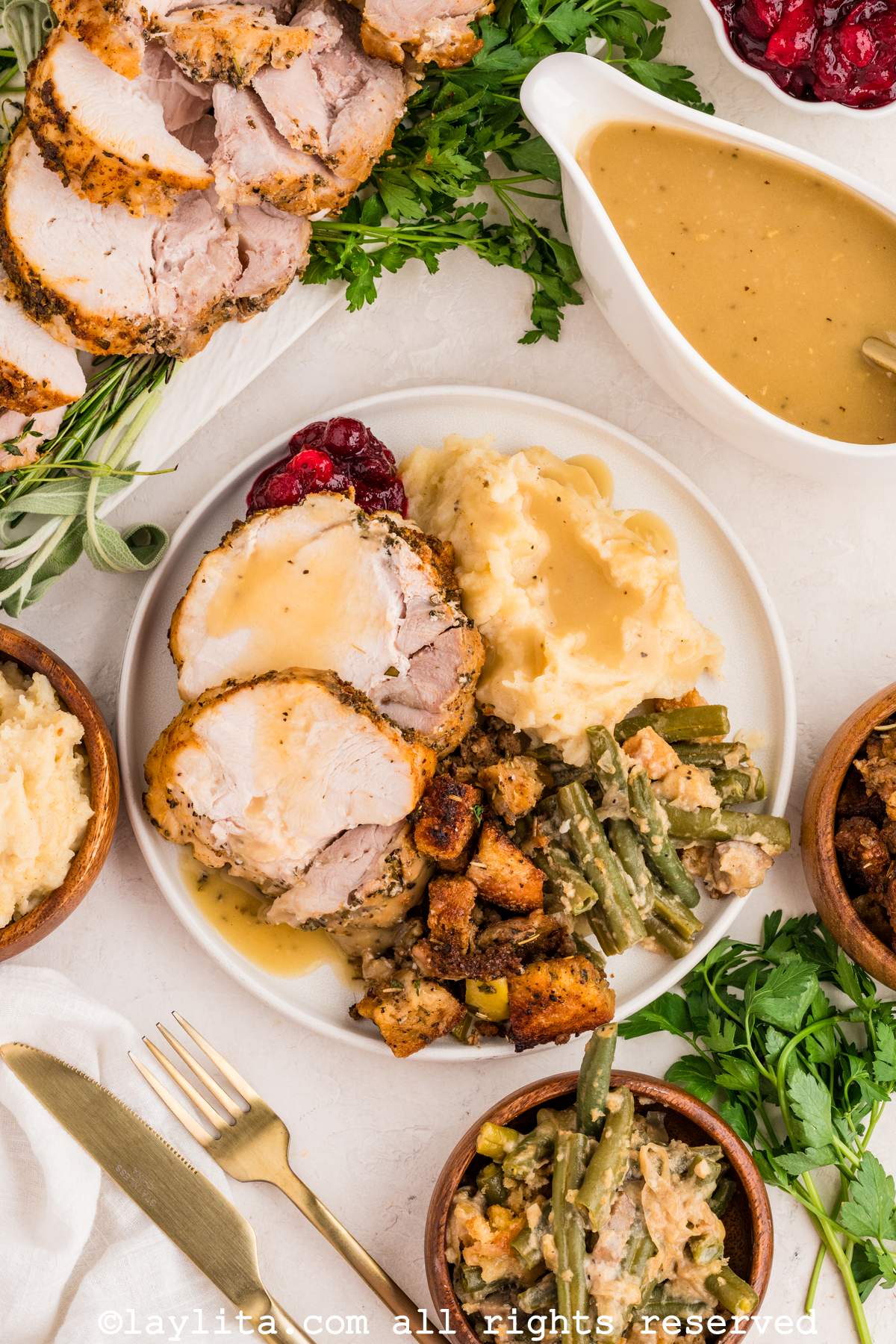
I’ve made turkey more ways than I can count over the years, and my Lemon and Thyme Roasted Turkey is another go-to in my rotation when I want that same herby, aromatic flavor profile. This roast turkey breast leans into rosemary, sage, and thyme in a similar way. However, the smaller boneless turkey roast size and built-in gravy make it a much more manageable option for smaller holiday gatherings or a weeknight dinner that still feels special.
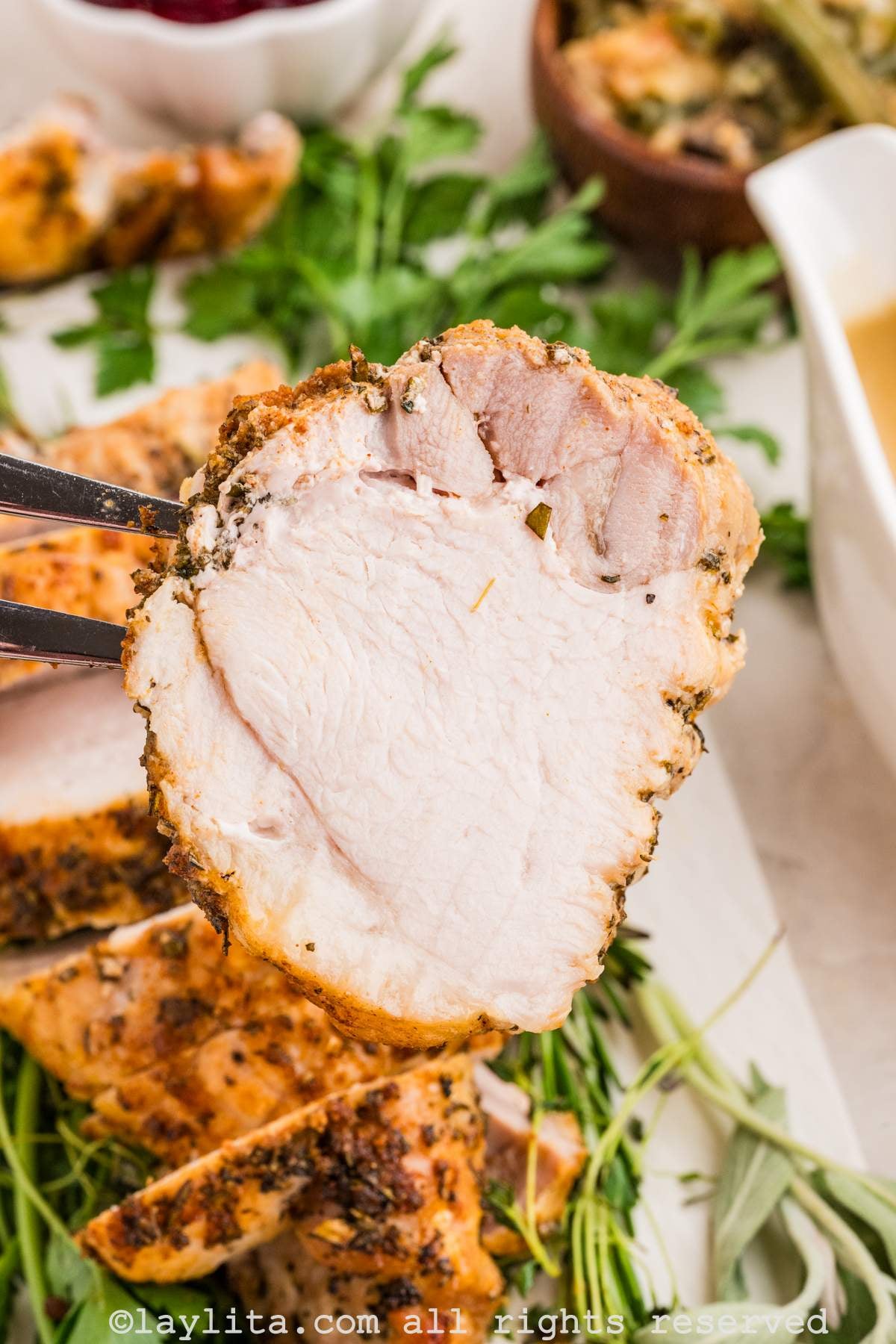
Why You’ll Love This Roasted Turkey Breast Recipe
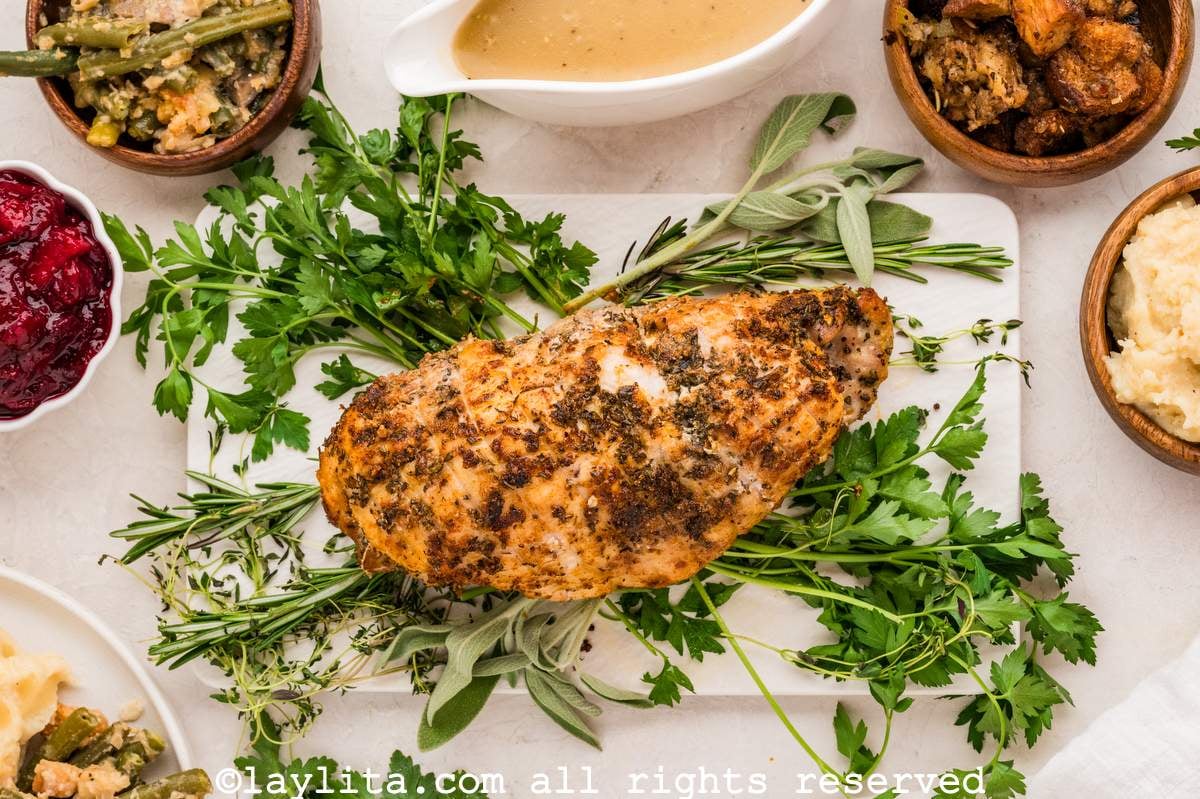
- It’s far less intimidating than a whole turkey. This smaller roast cooks in under two hours and doesn’t require the trussing, carving, or oven space that a whole bird demands.
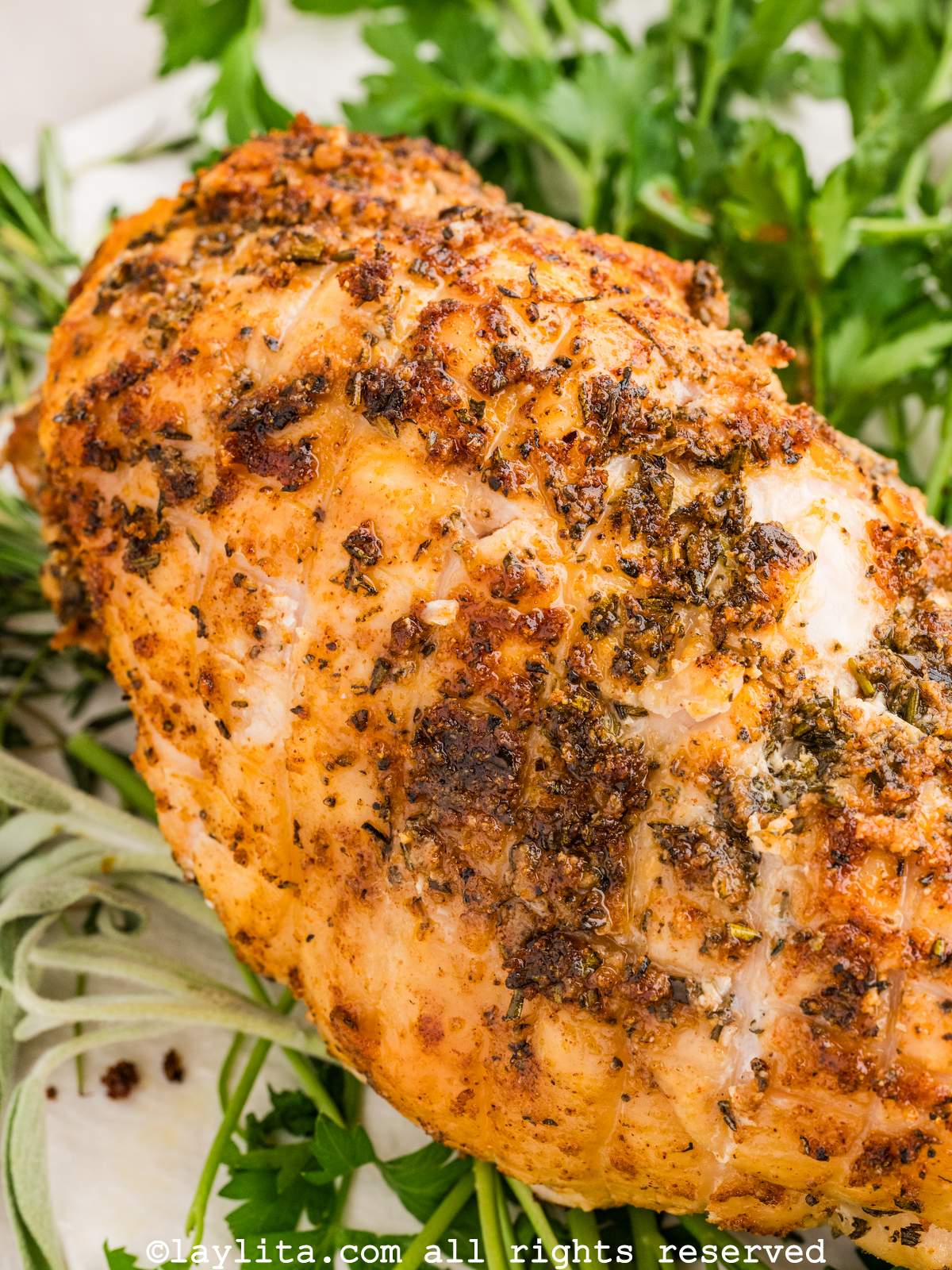
- The herb butter mixture packs in flavor. Rosemary, sage, thyme, garlic powder, onion powder, and smoked paprika create a deeply flavorful crust on every slice.
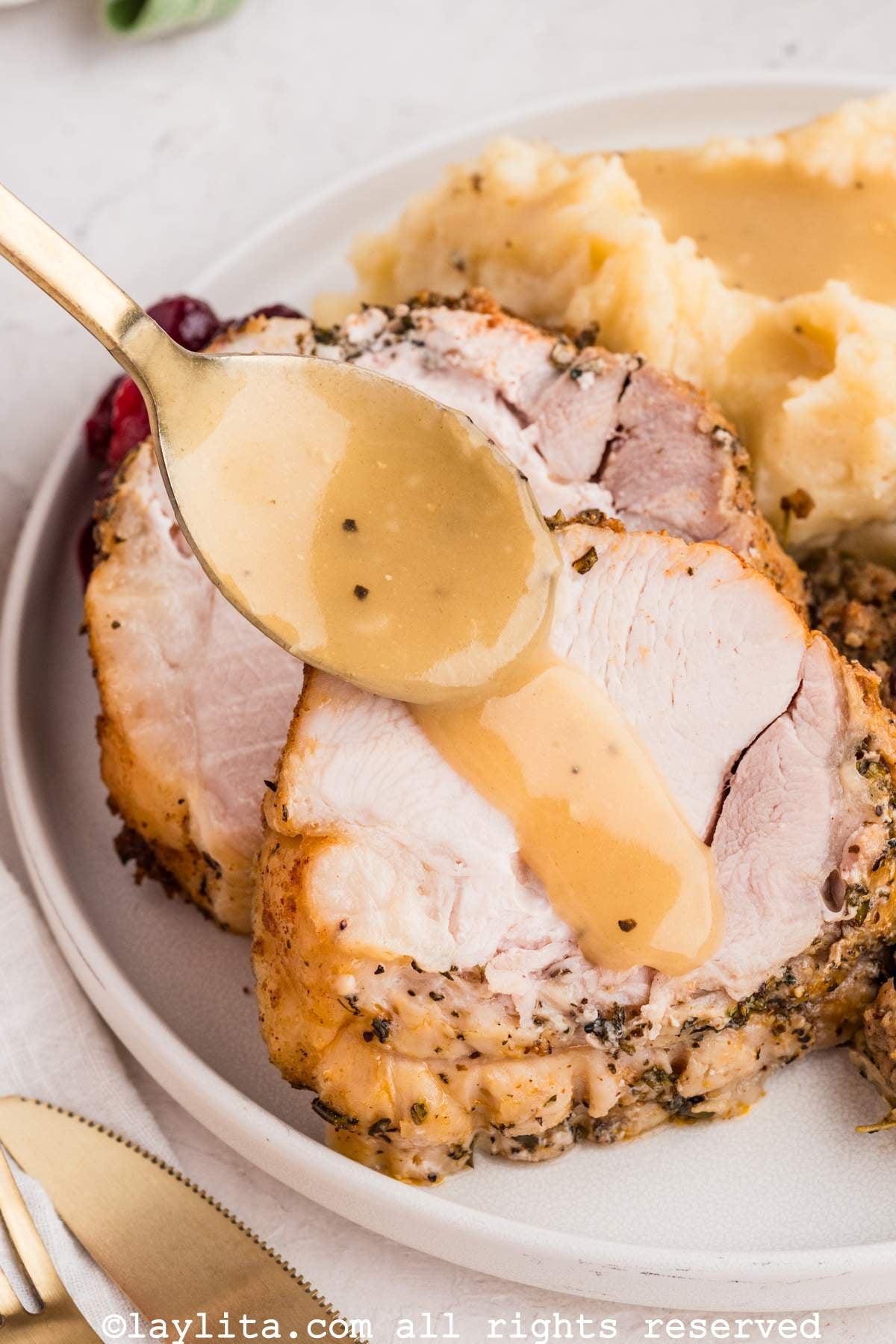
- The gravy comes together from the same pan. Using the actual drippings from the roast means the gravy is rich, flavorful, and doesn’t require any extra dishes or ingredients you don’t already have on hand.
- It’s perfect for smaller gatherings. This roast is a great option when a whole turkey would leave you with far too many leftovers.
- It’s just as good for a weeknight as it is for a holiday. This isn’t a dish you need to save for Thanksgiving, it makes an excellent Sunday dinner any time of year.
Ingredient Notes
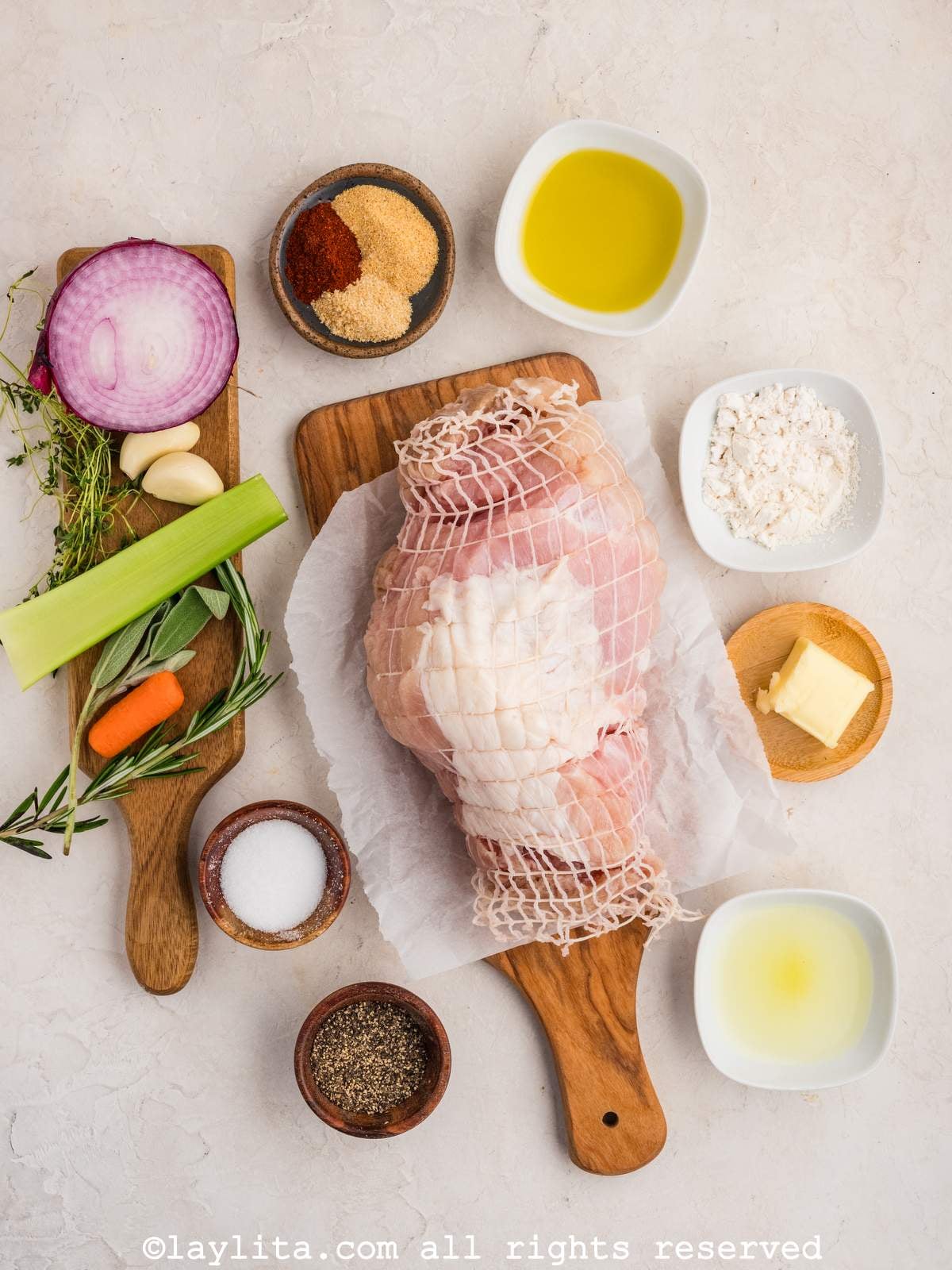
- Chicken or vegetable broth: Forms the flavorful liquid base in the roasting pan, which later becomes the foundation for the gravy.
- Red onion, carrots, and celery: These aromatics flavor the broth and drippings as the turkey roasts.
- Garlic cloves: Add depth to the broth and drippings, infusing flavor throughout the cooking process.
- Boneless turkey roast: A combination of white and dark meat gives the best flavor and moisture; keep the netting on while cooking to help the roast hold its shape.
- Kosher salt and coarse ground pepper: Season the roast directly, use half the amount if substituting regular table or sea salt.
- Olive oil and melted butter: Form the base of the herb mixture and help it adhere to the roast while keeping the meat moist.
- Rosemary, sage, and thyme: Fresh herbs are recommended for the best flavor, if using dried herbs instead, use only a quarter of the amount listed.
- Garlic powder and onion powder: Add savory depth to the herb crust.
- Smoked paprika: Adds warmth and a subtle smoky note to the seasoning blend.
- Butter and flour (for the gravy): Form a roux, which thickens the gravy to the right consistency.
- Turkey drippings: The flavor base of the gravy, if you don’t have a full 2 cups, make up the difference with broth.
- Salt and pepper (for the gravy): Season the gravy to taste once it’s thickened.
Variations & Substitutions
- Use dried herbs if fresh ones aren’t available. Substitute a quarter of the amount of dried herbs for the fresh rosemary, sage, and thyme listed.
- Add a gravy packet. If your turkey roast came with a gravy packet, stir it into your homemade gravy after it has thickened for extra depth of flavor.
- Make it gluten-free. Substitute a 1:1 gluten-free flour blend or cornstarch slurry for the flour in the gravy, the texture should remain smooth and thick.
- Make it dairy-free. Use olive oil or a dairy-free butter alternative in place of the butter in both the roast seasoning and the gravy.
- Adjust the vegetables. Swap in parsnips, shallots, or fennel for the onion, carrot, or celery to change up the aromatics in the roasting pan.
Tips for Success
- Keep the netting on the roast while it cooks. The netting helps the roast hold its shape as it bakes, and it should only be removed once the roast has finished resting and is ready to be sliced.
- Use a meat thermometer for accuracy. Pull the roast from the oven once it reaches 165°F (74°C) in the center, since it will continue cooking slightly as it rests to reach the ideal final temperature.
- Let the roast rest before slicing. Resting for 15 to 20 minutes allows the juices to redistribute throughout the meat, which keeps every slice moist instead of letting the juices run out onto the cutting board.
- Tent with foil if the roast browns too quickly. If the outside of the roast is getting too golden before it’s fully cooked through, loosely tent it with greased foil to prevent over-browning while it finishes cooking.
Serving Suggestions
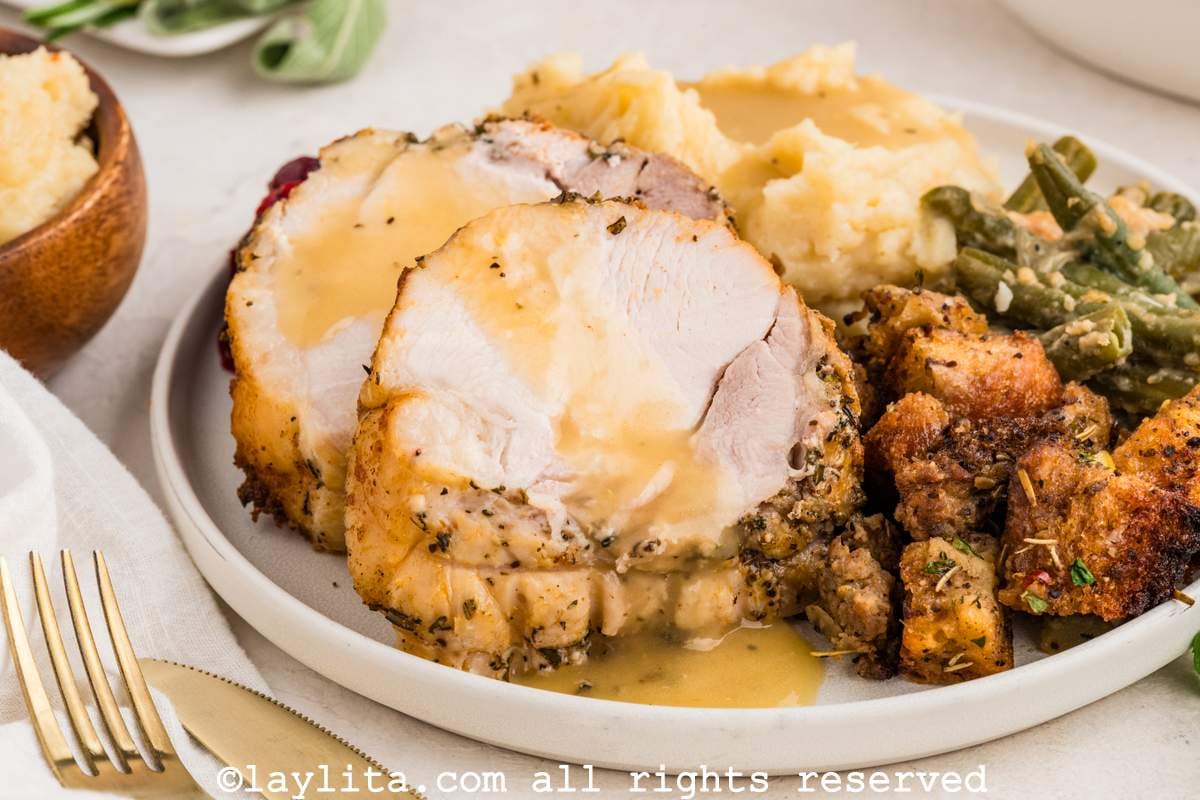
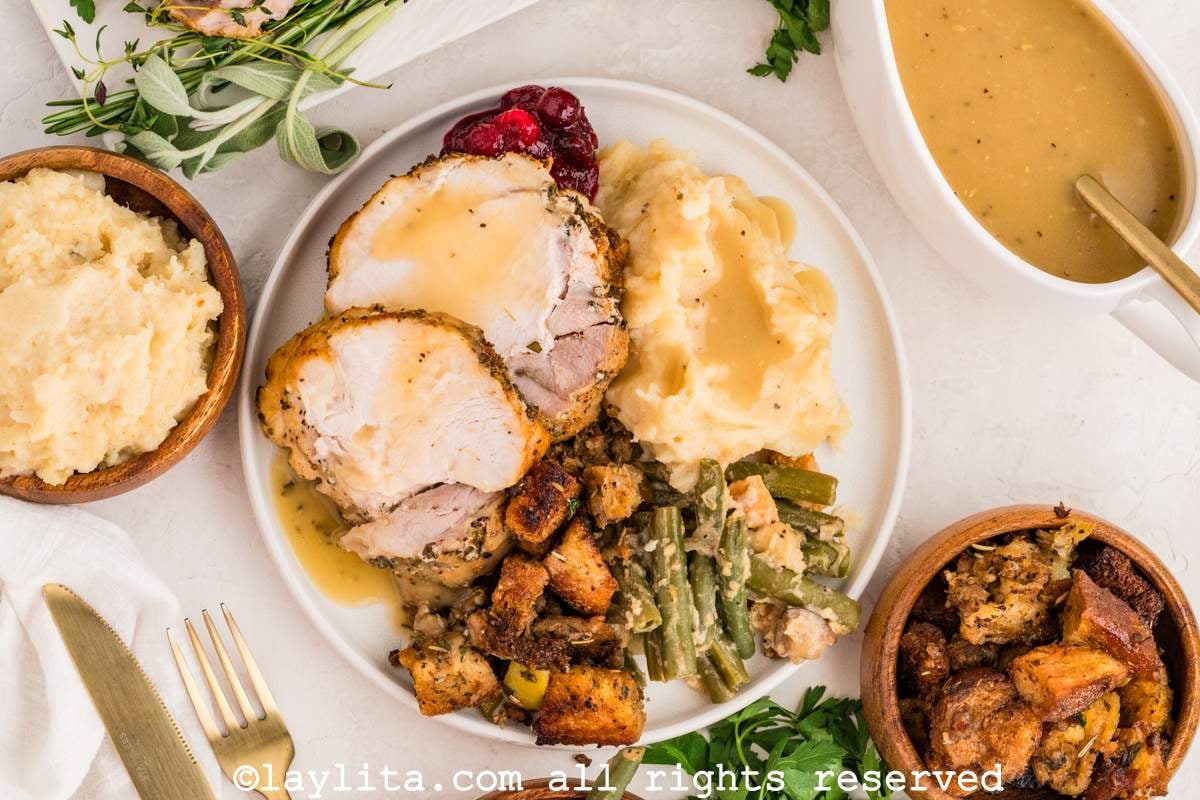
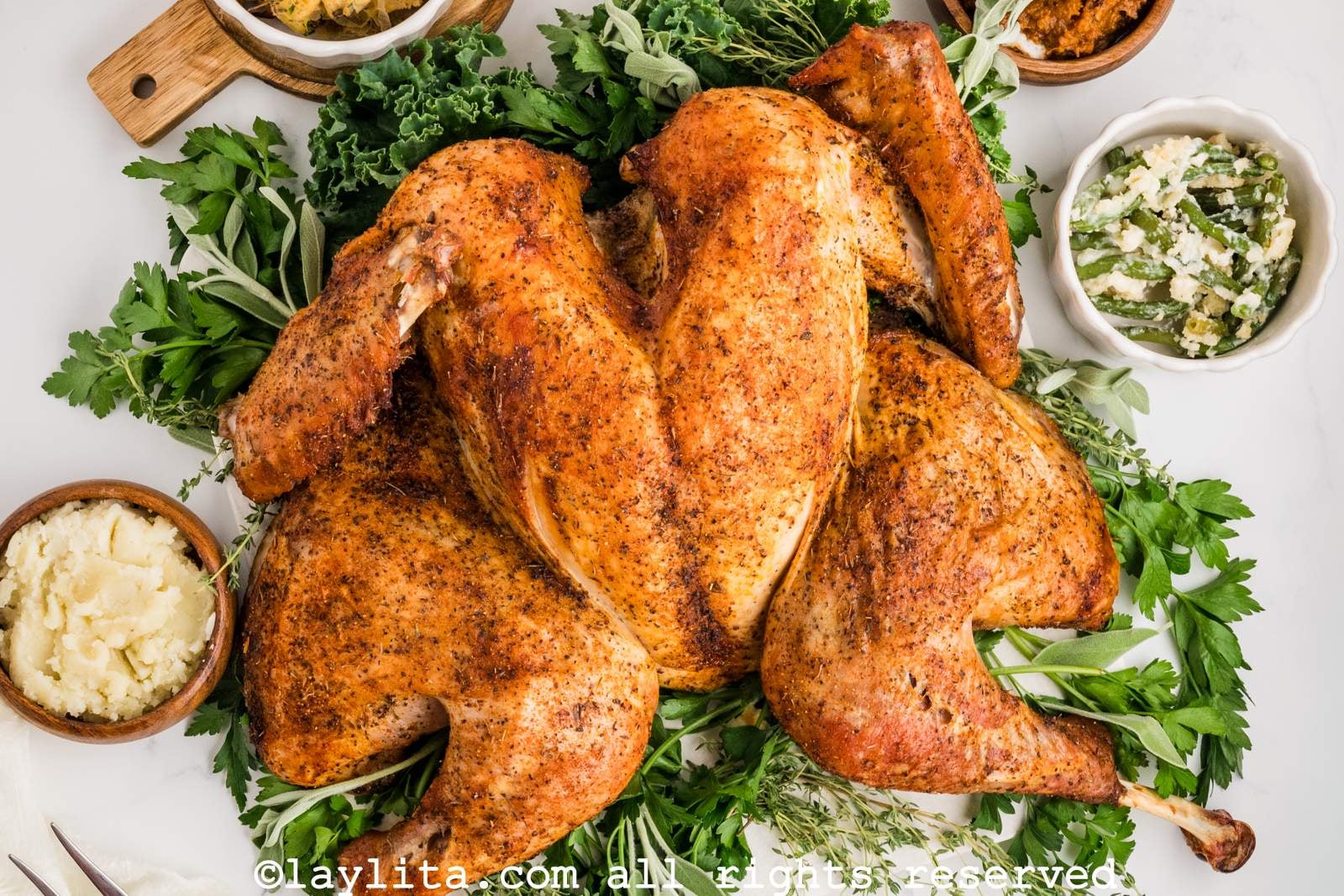
This herb roasted turkey breast is a natural centerpiece for a holiday table, especially alongside a big bowl of Mashed Potatoes to soak up all that homemade gravy. Round out the meal with French Style Green Beans and a batch of Cheese Stuffed Dinner Rolls for the table. If you want a heartier, more traditional holiday spread, my Relleno de Pavo or Turkey Stuffing makes a flavorful, slightly sweet and savory side that pairs beautifully with the herby flavor of this roast. And don’t forget the cranberry sauce!
Storage Suggestions
Store leftover turkey breast and gravy separately in airtight containers in the refrigerator for up to 4 days.
To freeze, slice the cooled turkey and store it in a freezer-safe container or bag with a bit of the gravy to keep it moist, then freeze for up to 3 months, freeze the remaining gravy separately in its own container.
Frequently Asked Questions
Can I make this turkey roast ahead of time?
Yes, you can roast the turkey a day in advance, then slice and store it in the refrigerator with a bit of gravy to keep it moist. Reheat gently in the oven with additional broth or gravy before serving to bring back that just-roasted texture.
Why is my gravy lumpy?
Lumpy gravy usually happens when the flour isn’t fully whisked into the butter before the liquid is added, or when the drippings are added too quickly. Whisk the roux for a full 2 to 3 minutes before slowly adding the drippings, whisking constantly the entire time.
Do I need to remove the netting before cooking?
No, the netting should stay on the roast throughout the entire cooking process to help it hold its shape. Only remove it after the roast has finished resting and is ready to be sliced.
What if I don’t have enough drippings for the gravy?
If you don’t have a full 2 cups of drippings after roasting, simply make up the difference with additional chicken or vegetable broth. The gravy will still be flavorful, especially since the broth was already infused with the aromatics from the roasting pan.
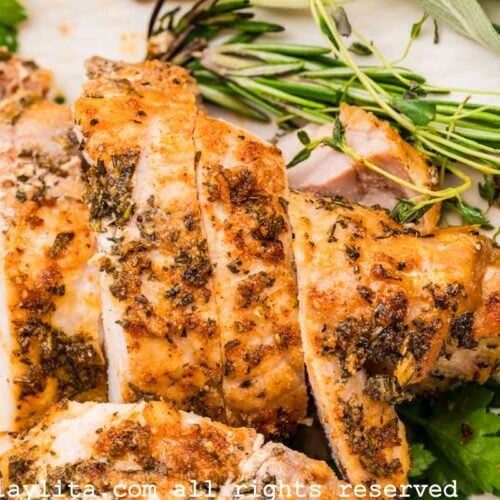
Herb Turkey Breast Roast with Gravy
Ingredients
For the turkey breast roast:
- 1 cup chicken or vegetable broth 240 ml
- 1 red onion cut into wedges
- 4-6 baby carrots or 1 chopped full-size carrot
- 1 celery stalk cut into 2-3 pieces
- 2 cloves garlic smashed
- 3 pounds boneless turkey roast- do not remove netting, fully thawed if previously frozen – 1.36kg
- 1 teaspoon kosher salt
- ¼ teaspoon coarse ground pepper
- 2 tablespoons olive oil
- 2 tablespoon melted butter
- 2 tablespoons minced rosemary leaves
- 1 tablespoon minced sage leaves
- 1 tablespoon minced thyme leaves
- 2 teaspoons garlic powder
- 1 teaspoon onion powder
- 1 teaspoon smoked paprika
For the gravy:
- 3 tablespoons butter
- 3 tablespoons flour
- 2 cups drippings from the turkey roast *see Notes 480 ml
- ½ teaspoon kosher salt plus more to taste
- 1/8 teaspoon coarse ground pepper
Instructions
- Preheat the oven to 350°F (175°C.
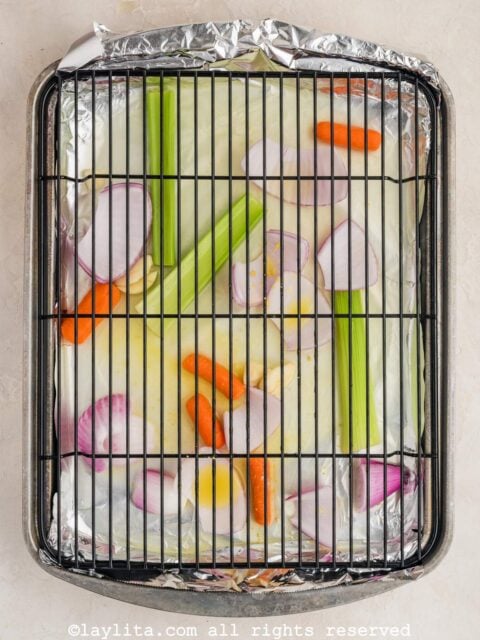
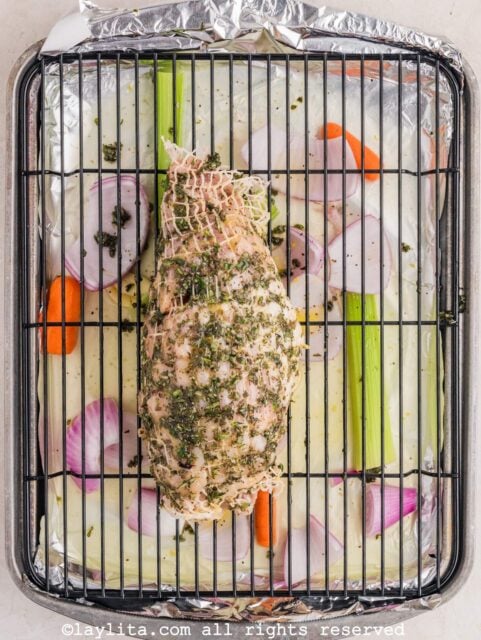
- In the bottom of a roasting dish, pour the chicken broth then add the onion, carrots, celery, and garlic.

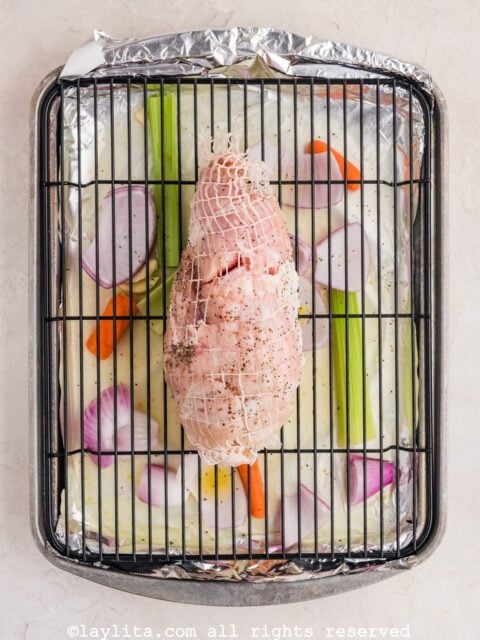
- Place the roasting grate on top and spray with cooking spray. Place the turkey breast roast on top and sprinkle all sides with salt and pepper.
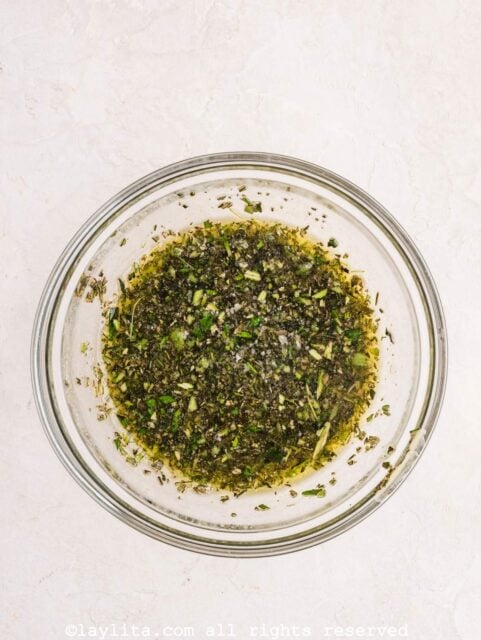
- In a small mixing bowl whisk together the olive oil, butter, rosemary, sage, thyme, garlic and onion powder, and paprika.

- Use a basting brush to brush all the seasoning mixture over all sides of the roast, getting under the netting, if possible, to help it from sticking to the meat when cooked.
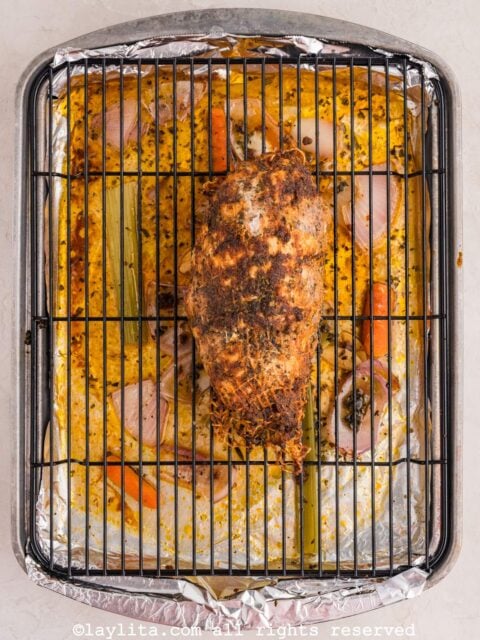
- Bake uncovered for 1 hour and 20 minutes- 1 hour 40 minutes or until the middle of the roast reaches an internal temperature of 165°F (74°C). Turkey breast roasts are technically done at 170°F(76°C) but the roast will keep cooking as it rests to reach the last 5 degrees. Remove from the oven and let rest for 15-20 minutes before removing the casing and slicing.
- While the turkey roast is resting, prepare the gravy.
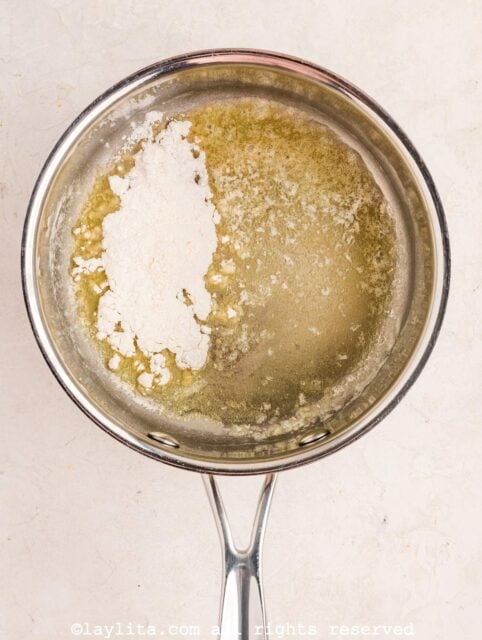
- In a small sauce pan, melt the butter over medium heat and whisk in the flour to create a roux. Whisk for 2-3 minutes before whisking in the turkey drippings.

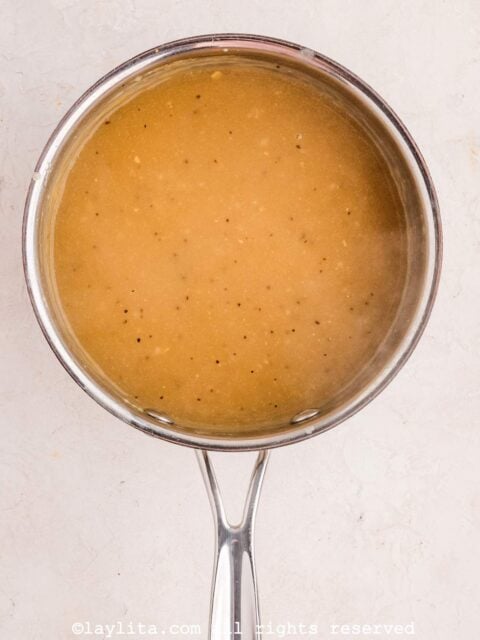
- Sprinkle in the salt and pepper and whisk frequently until the gravy thickens, about 7-8 minutes. Reduce the heat to keep a gentle simmer and stir occasionally to prevent the gravy from sticking to the bottom of the pan.
- Remove the casings from the turkey roast and cut it into slices.

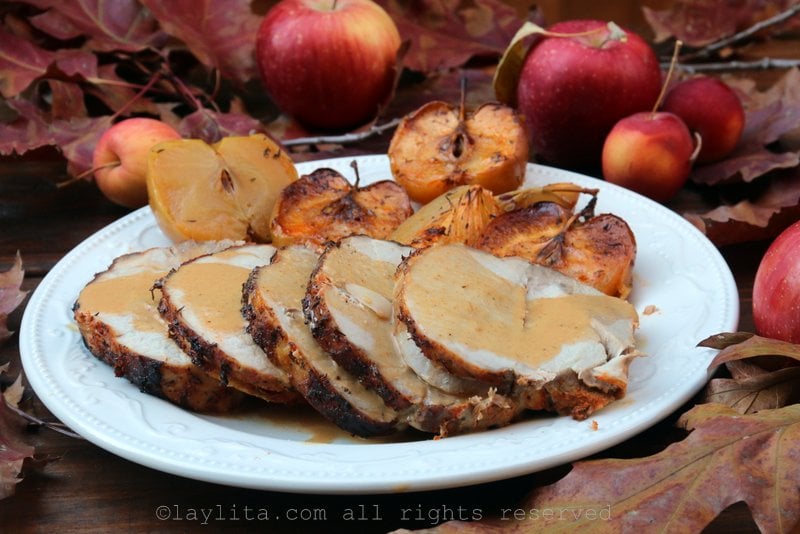
- Serve the sliced turkey with the warm gravy.
Notes
- I used a white and dark meat roast because they tend to have more flavor and moisture.
- If you want to use dried herbs instead of fresh, use ¼ of the amount.
- If you use normal table or sea salt, use half the amount.
- If your roast comes with a gravy packet, add it into the gravy you make after it’s thickened, if desired.
- If your roast gets too golden brown before it’s cooked through, tent loosely with a greased piece of foil.
- If you don’t have a full 2 cups of drippings in the roasting pan, use broth to make up the difference. If you want the gravy to be creamier, add ½ cup milk and reduce the drippings/broth down by ½ cup.
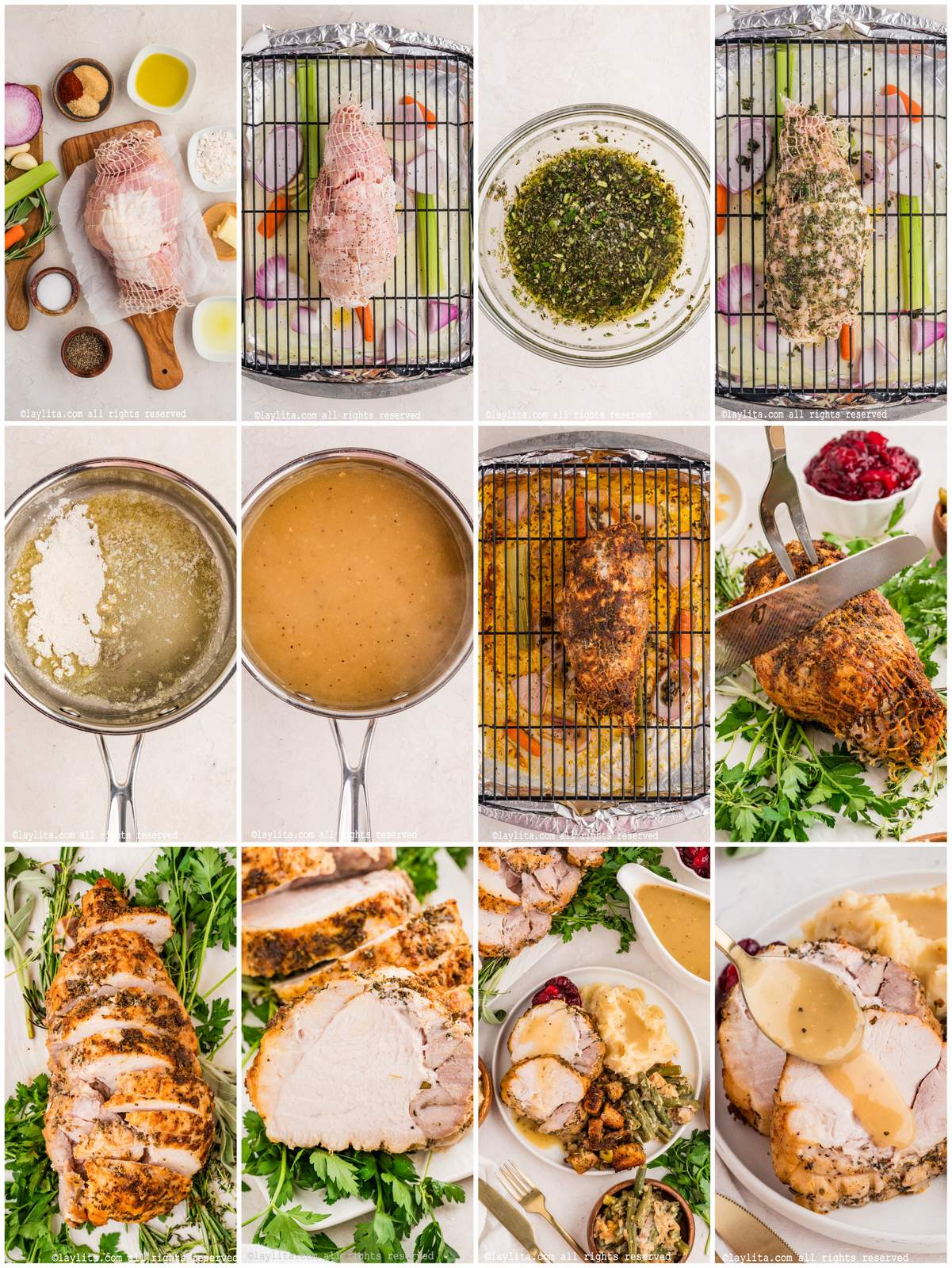
Photos of the step by step preparation process for Herb Rubbed Boneless Turkey Breast Roast:
More Holiday Dishes to Try




Discover more from Laylita's Recipes
Subscribe to get the latest posts sent to your email.