
Corviche de Pescado (Ecuadorian Fish Corviches)


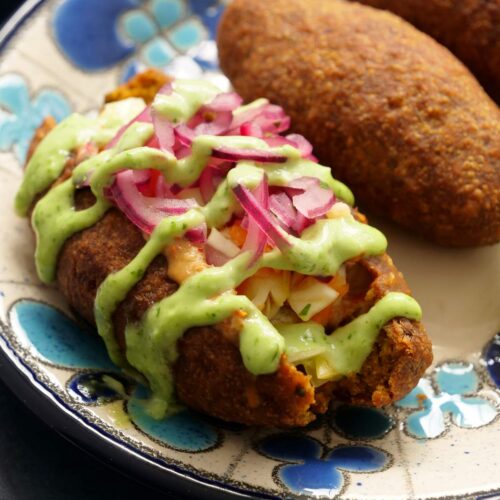
If you’ve ever wandered the stunning coastal regions of Ecuador, particularly the province of Manabí, chances are you’ve come across Corviches de Pescado. These savory plantain dough fritters or croquettes, typically filled with tuna or other types of fish/seafood, are a beloved coastal street food that can be enjoyed at any time of day, in any kitchen in the world!
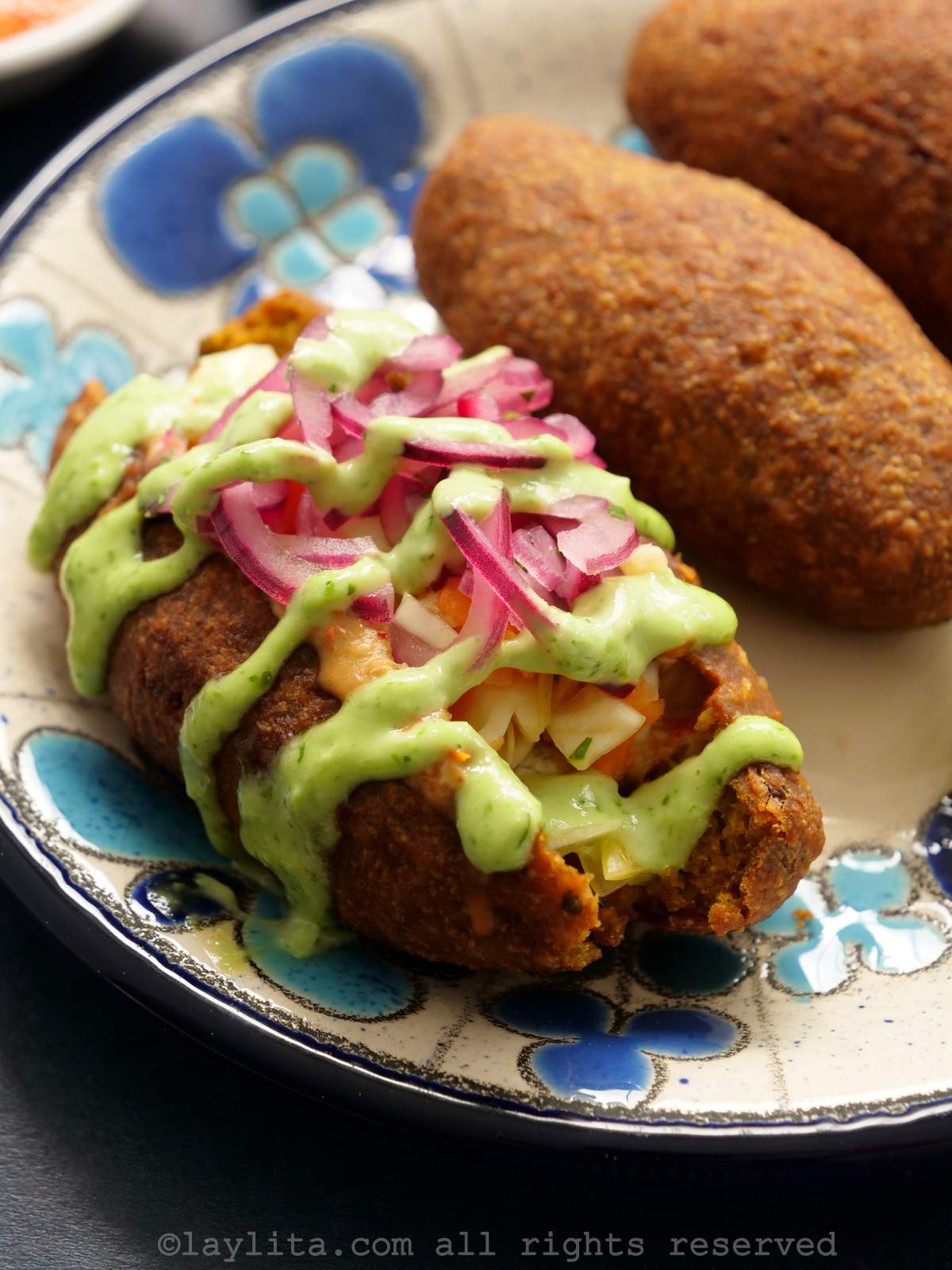
Fish corviche, also known as “corbiche” is a delicious coastal recipe from the Manabí region in Ecuador. This classic street food is made with a dough of grated green plantain, peanuts, and a vegetable sofrito, filled with pieces of fish, and then fried. They’re typically shaped like a long croquette, but their size and thickness can vary depending on the cook’s preference.
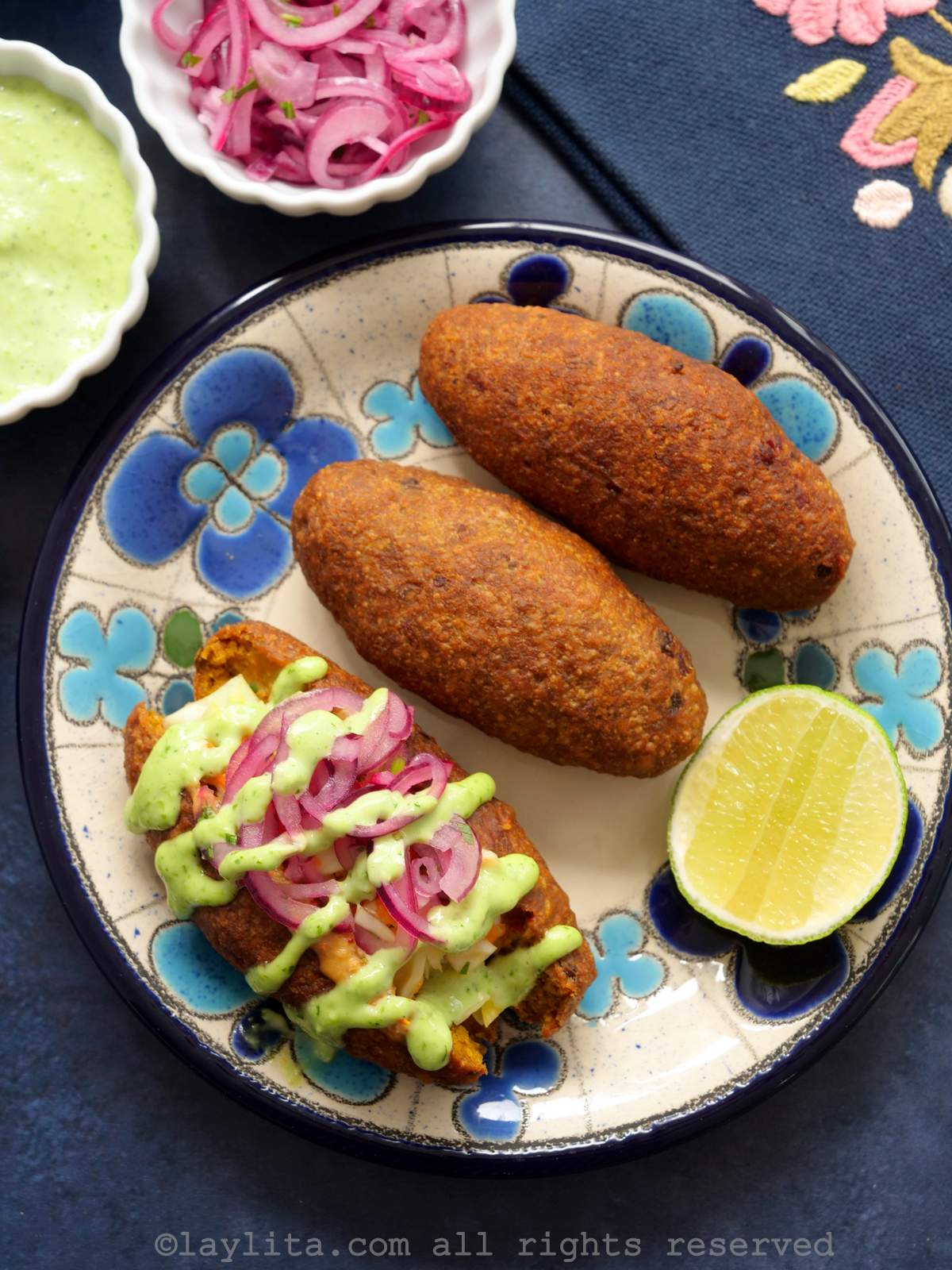
Ingredients Needed
Fish Filling:
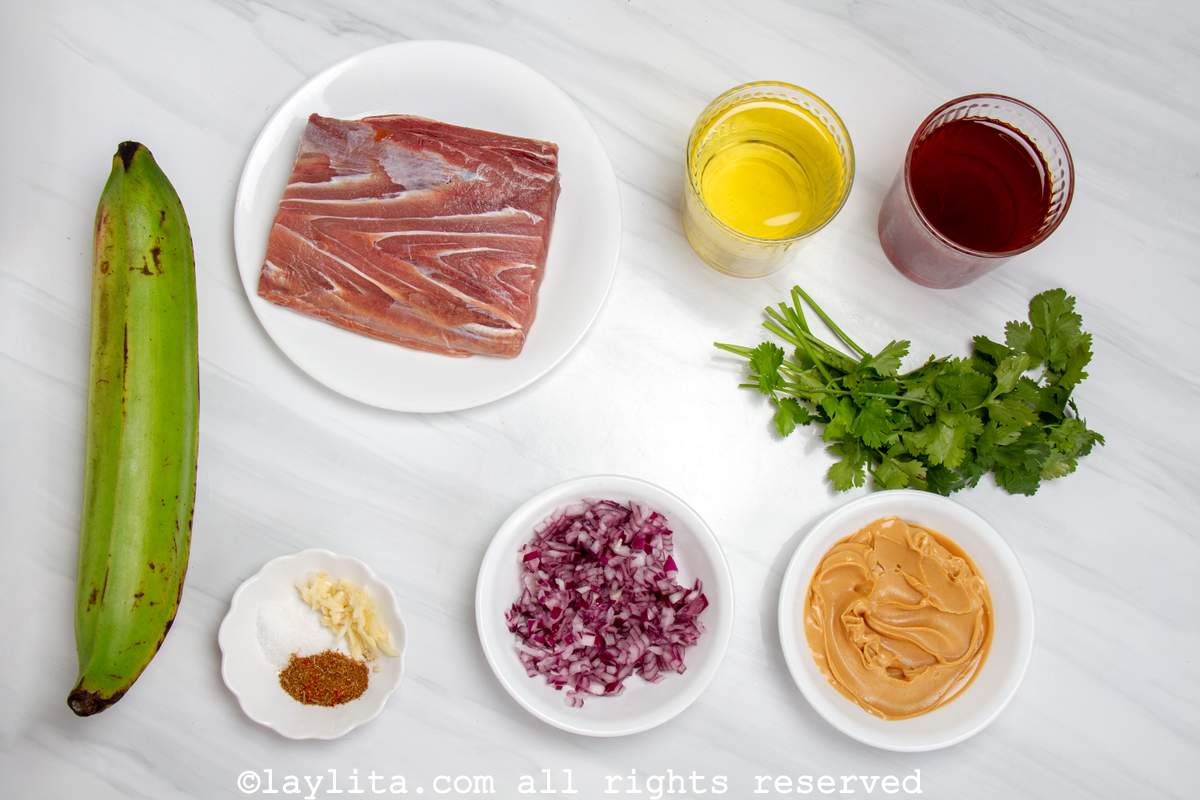
- Albacore Tuna: Albacore tuna is used as the savory, protein-packed filling!
- Achiote Oil: Achiote oil is a red colored oil that adds color to the corviche dough. If you can’t find achiote oil, you can gently simmer oil with some whole annatto seeds!
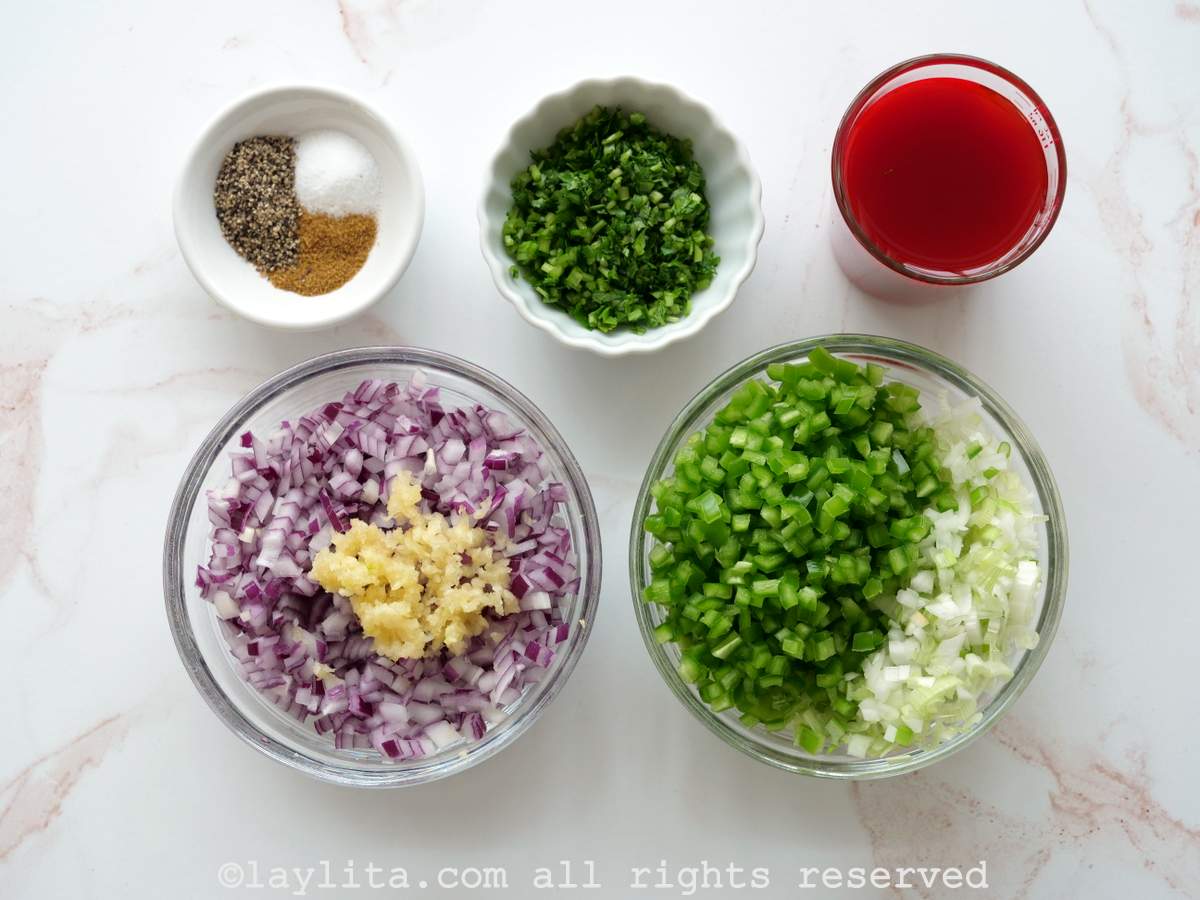
- Red Onion, Green Onions, Green Pepper & Garlic: This is the refrito, also known as sofrito, that adds extra flavor to the fish.
- Cumin: Cumin adds a bold, warming flavor.
- Cilantro: Fresh cilantro adds a bright flavor to the fish and broth.
Peanut Sauce:
- Peanut Butter: Use regular, creamy peanut butter. I prefer to use an organic peanut butter that has no added sugar.
- Fish Broth or Water: Add leftover fish broth if you added water to cook the fish. If not, you can just add some water until the sauce is your desired consistency.
Green Plantain Dough
- Green Plantains: These are the starchy base of the dough!
- Achiote Oil: Achiote oil prevents the grated plantains from oxidizing.
- Peanut Butter: A bit of peanut butter added to the dough adds a slightly nutty flavor.
- Salt & Pepper: Add salt and pepper to taste!
- Oil: You will need a high smoke point oil like vegetable oil or canola oil to fry the corviches!
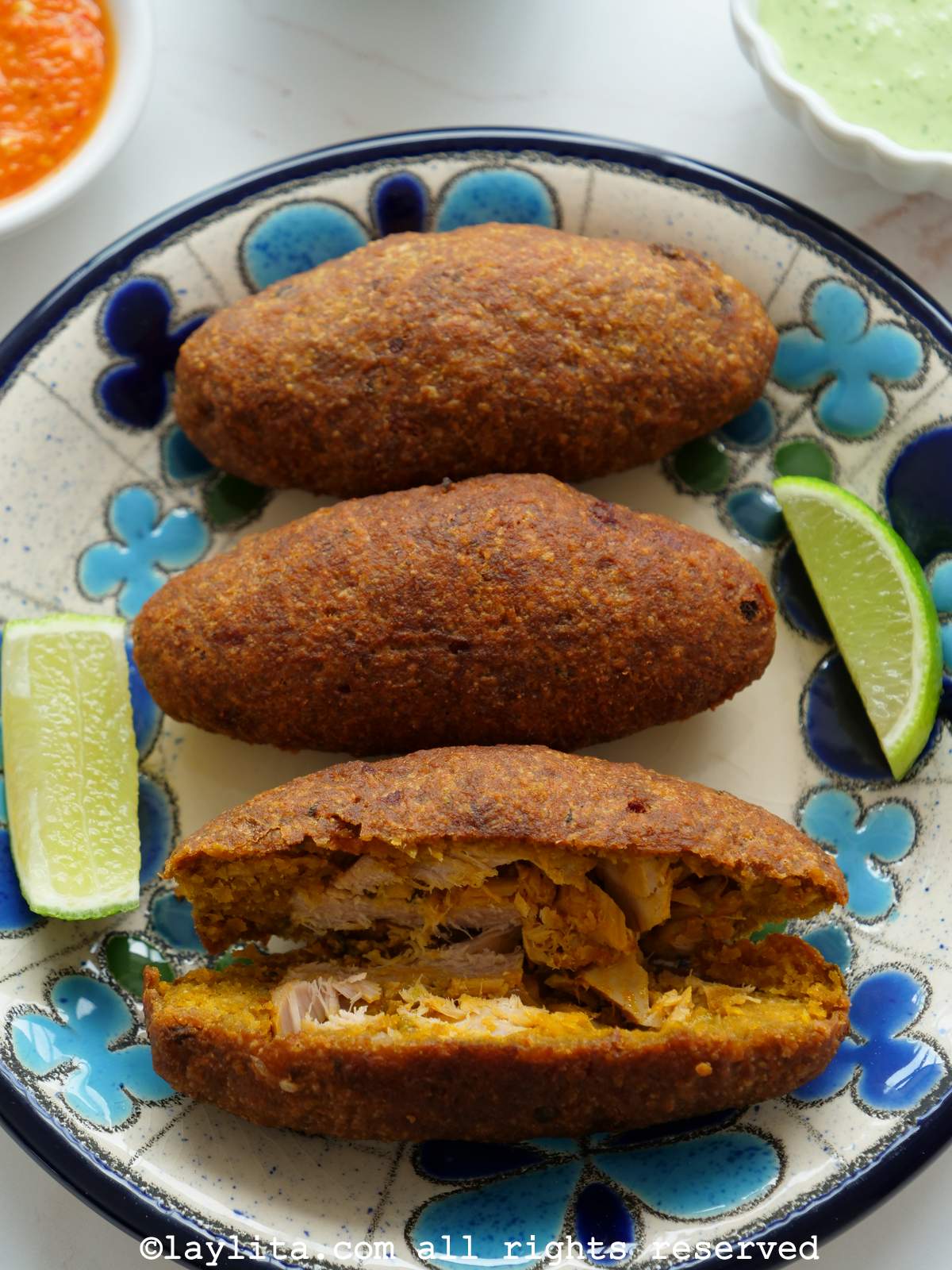
How to Make Fish Corviche
Prepare the fish filling:
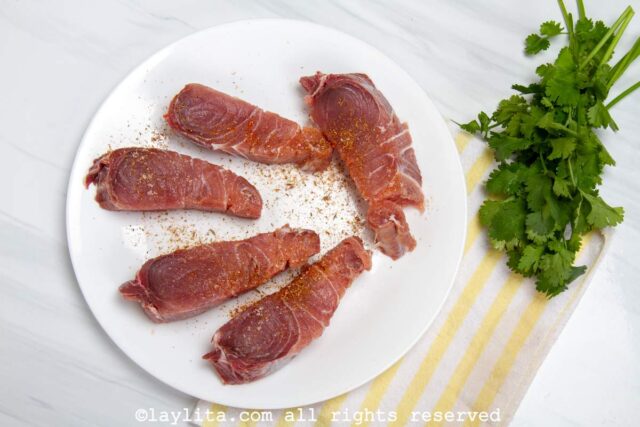
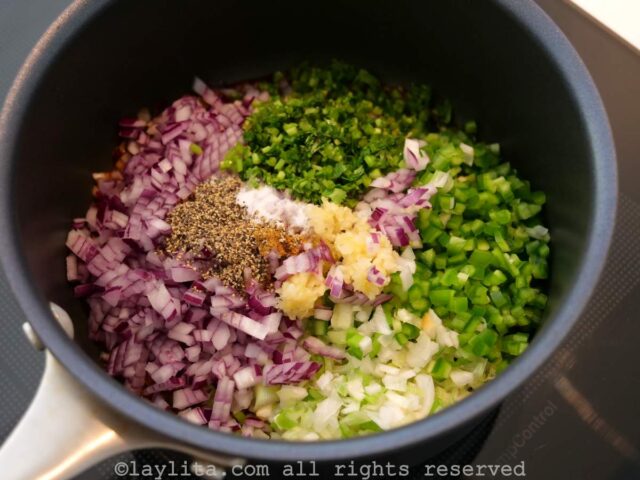
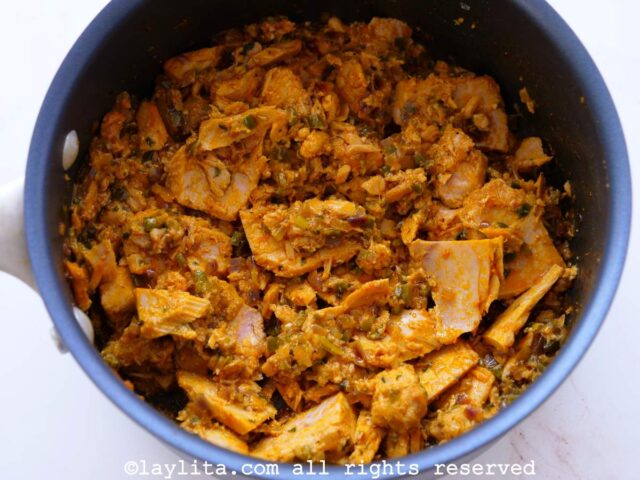
- Prep Fish & Make Refrito: Season the fish with salt, pepper, and cumin. In a small pot, prepare a refrito (sofrito) by heating achiote oil and then add the chopped red onion, scallions, crushed garlic, green bell pepper, cumin, and salt/pepper to taste.
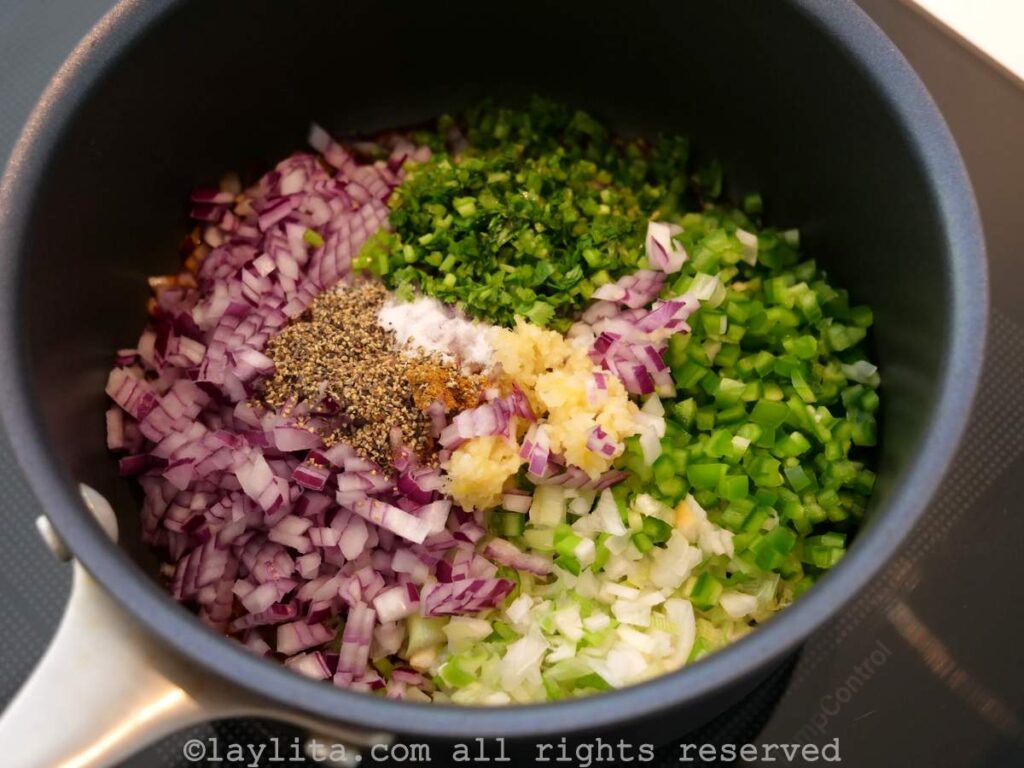
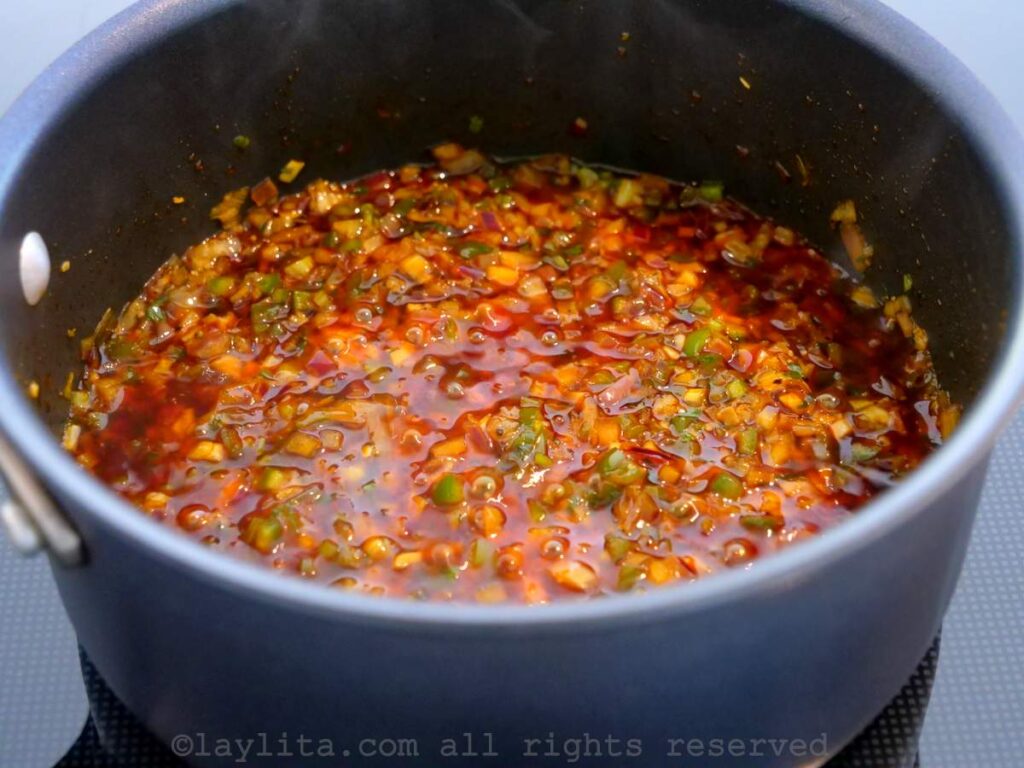
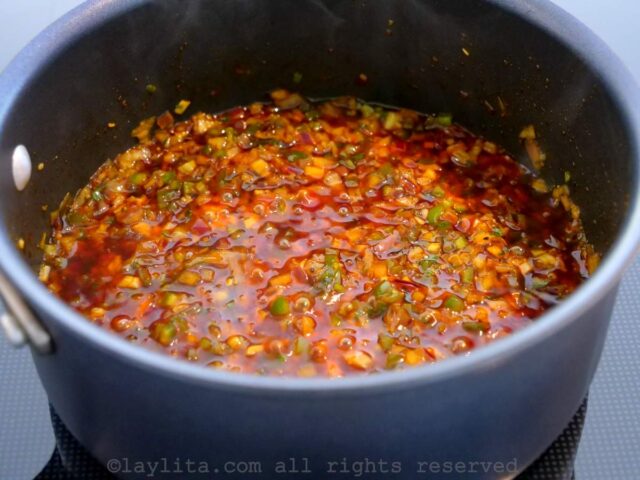
- Reserve Half: When the onions are translucent and soft, remove half of the refrito from the pan and reserve it for the green plantain dough and the peanut sauce.
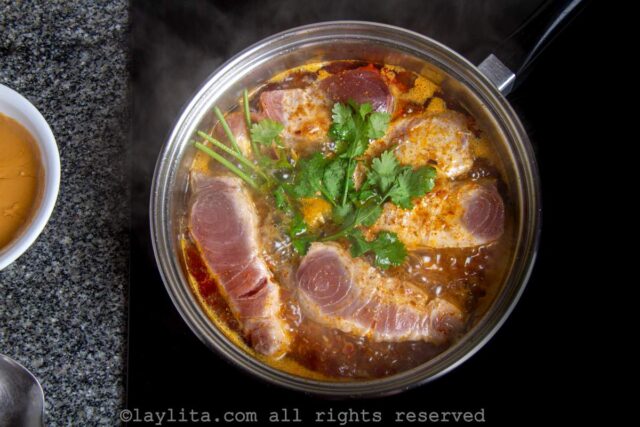
- Cook the Fish: Add the fish pieces to the refrito. You can cook the fish with just the refrito (without water), or if you want some fish broth (for the peanut sauce), you can add ½ cup to ¾ cup of water. Add the cilantro sprigs and bring the water to a boil. Cook covered for about 5-10 minutes or until the fish is soft and cooked. Then, remove the fish pieces from the broth and save the broth for the peanut sauce.
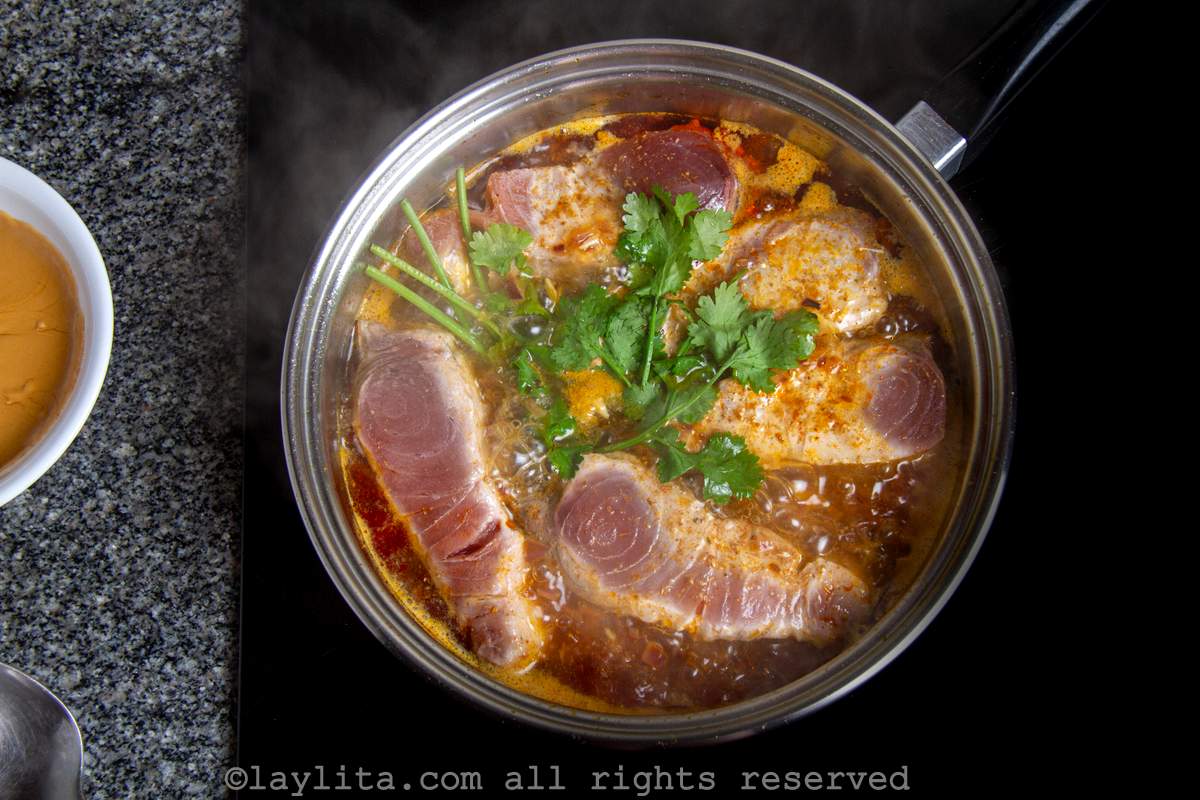
- Set Aside: If you did not add water, simply remove the contents of the pot (the fish and the onion refrito), and prepare the peanut sauce in the same pot (without washing).
Make the peanut sauce:
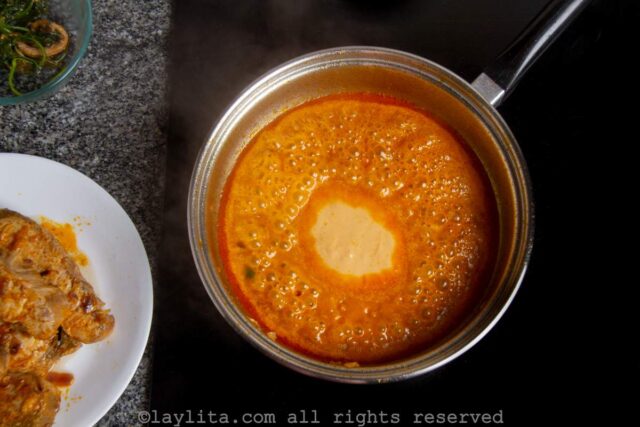
- Prep the Sauce: In the same pan where the fish was cooked, add ½ cup of the peanut butter and ½ cup of the fish broth (or ½ cup of water if you don’t have broth), 1-2 tablespoons of the refrito, and salt to taste. Cook over medium heat, stirring, until a sauce forms; you can adjust the thickness to your liking by adding more broth or water. You can also add some additional chopped fresh cilantro at the end.
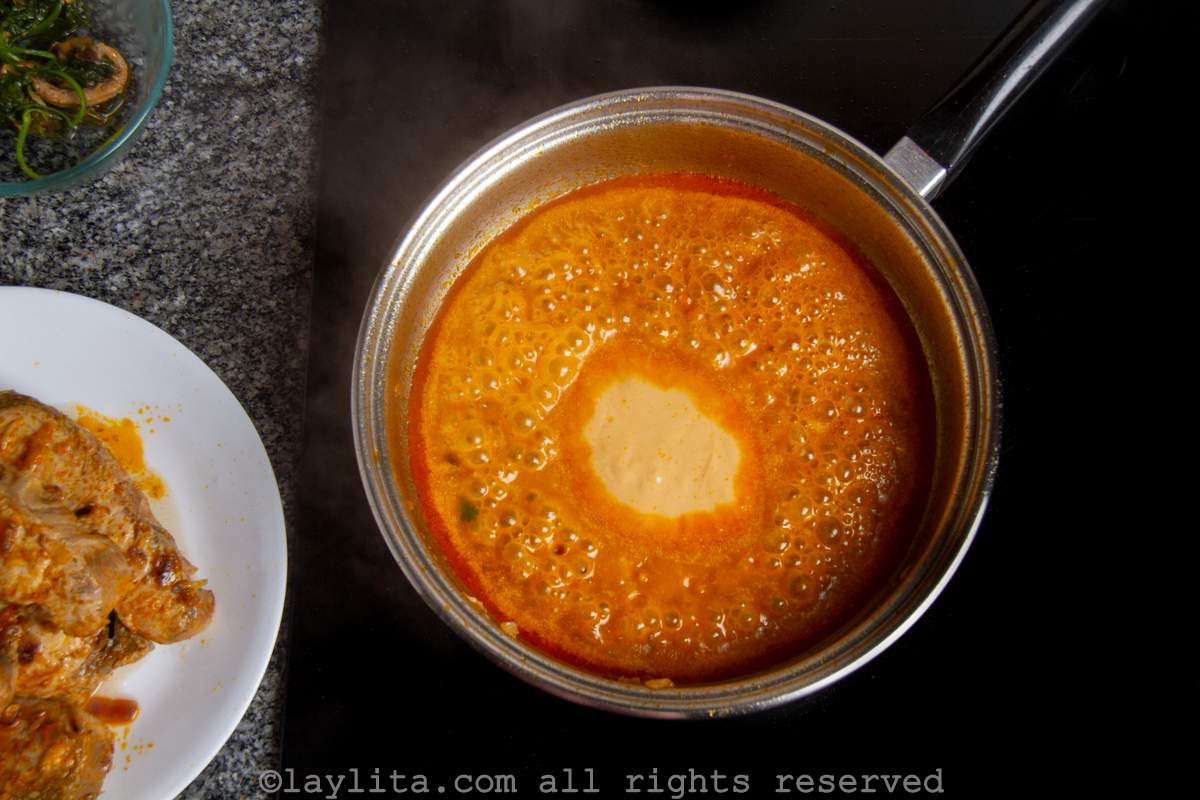
Make the dough:
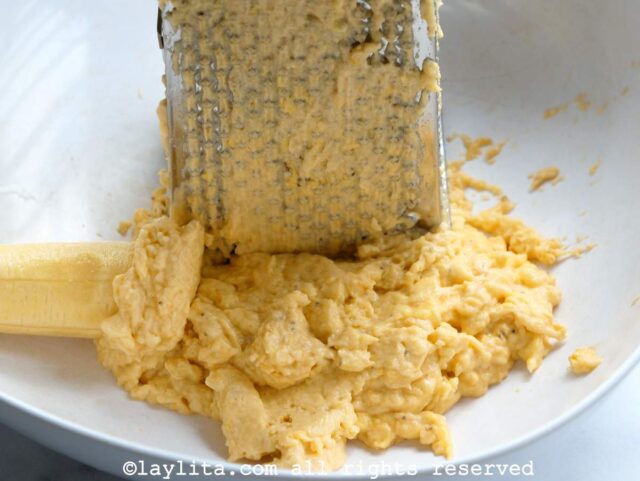
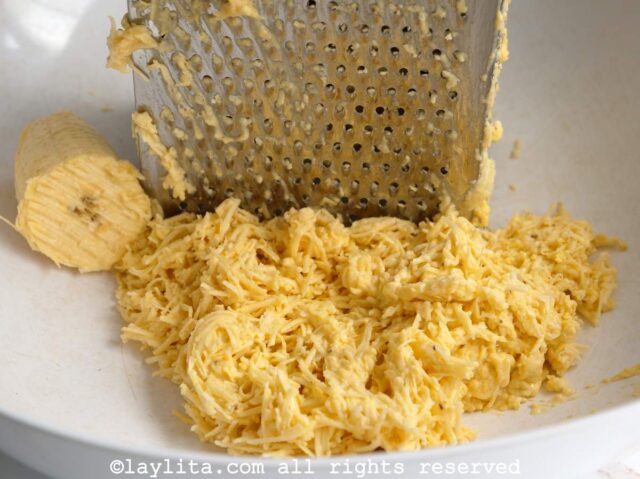
- Grate the Plantains: Peel the green plantains and grate them on the fine side of the grater. You can grate them on the super fine side (they come out almost like smoothies or puree). Or also on the fine grater side, but still grated. You can use whichever option you prefer, or a combination of both options.
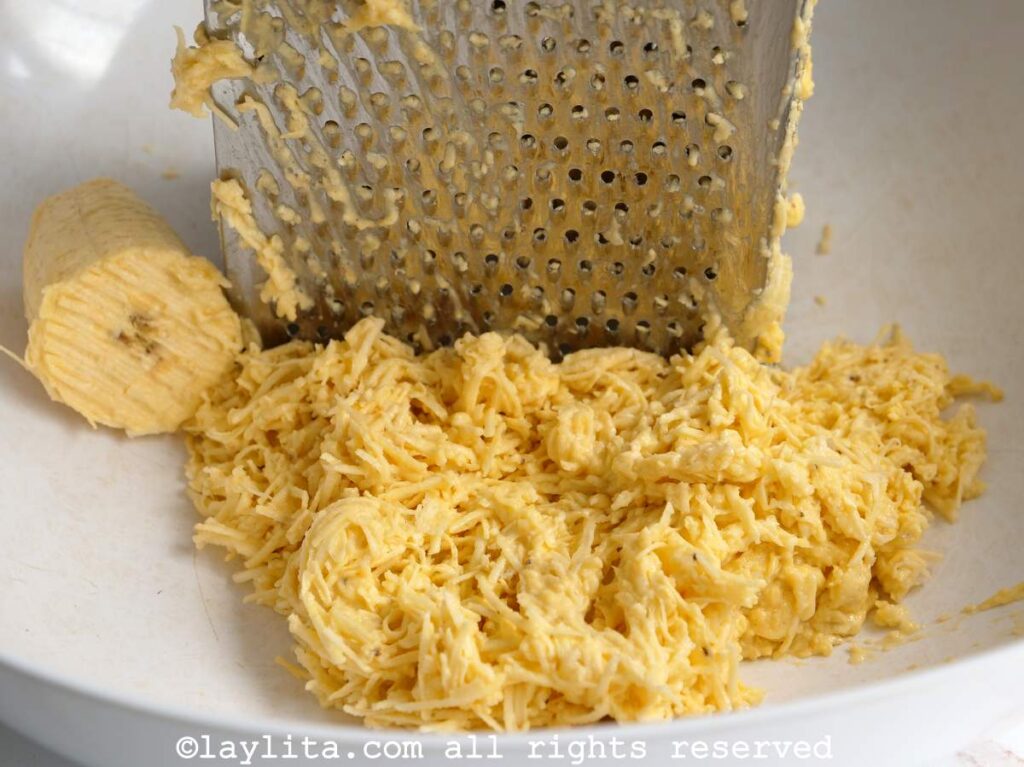
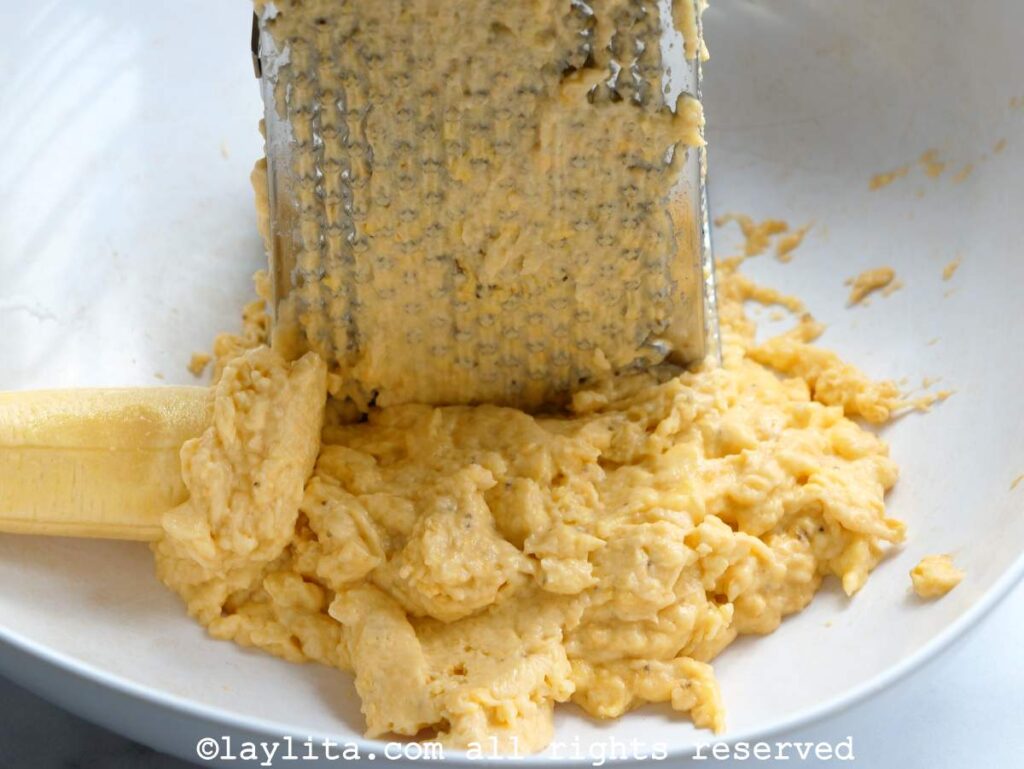
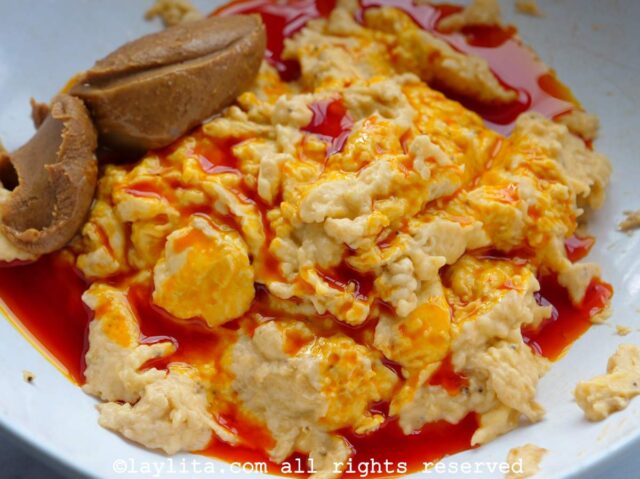
- Combine with Achiote Oil & Peanut Butter: Immediately mix the grated green with the achiote oil and the rest of the peanut butter, and mix well.
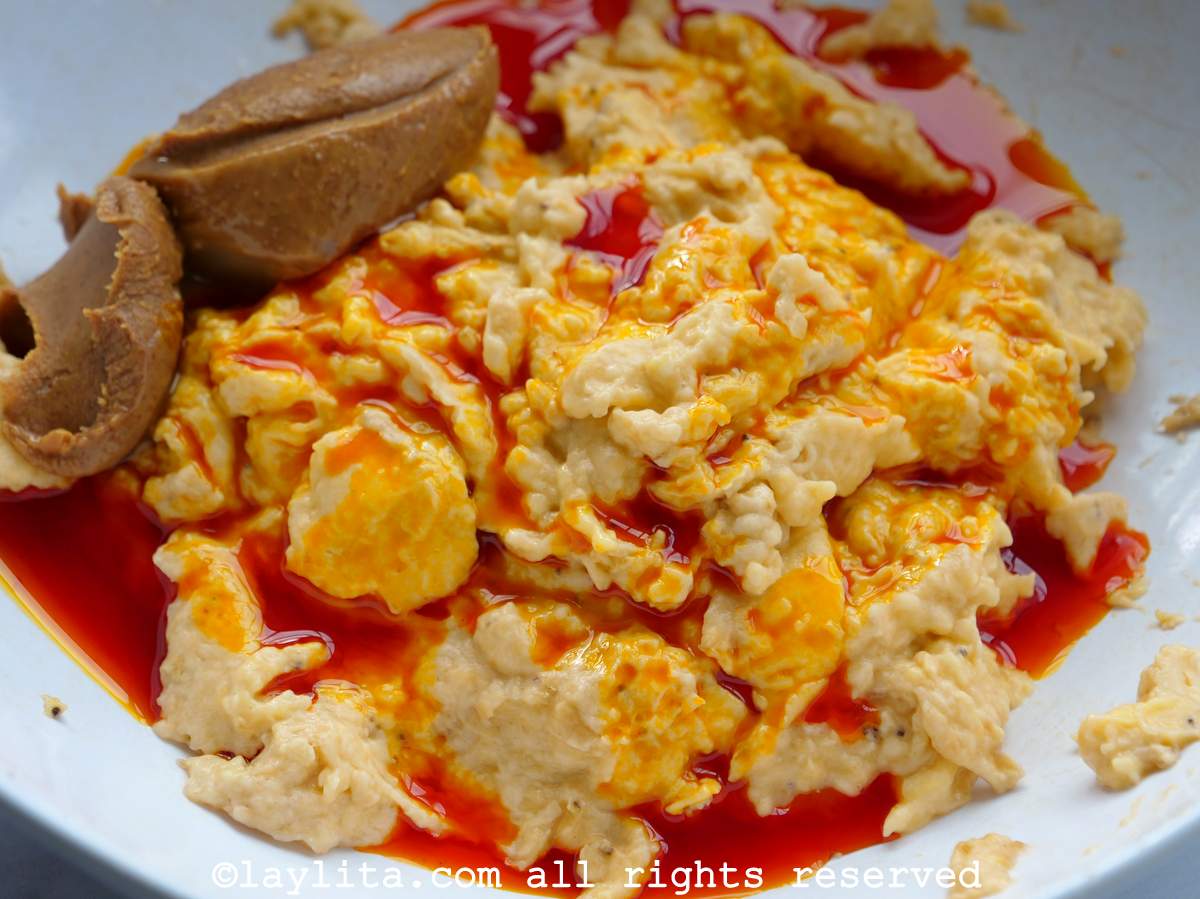
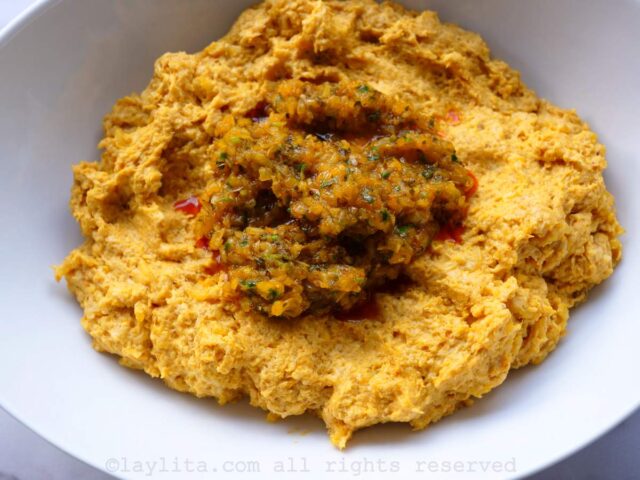
- Add Refrito: Then add the rest of the refrito that you saved when preparing the fish.
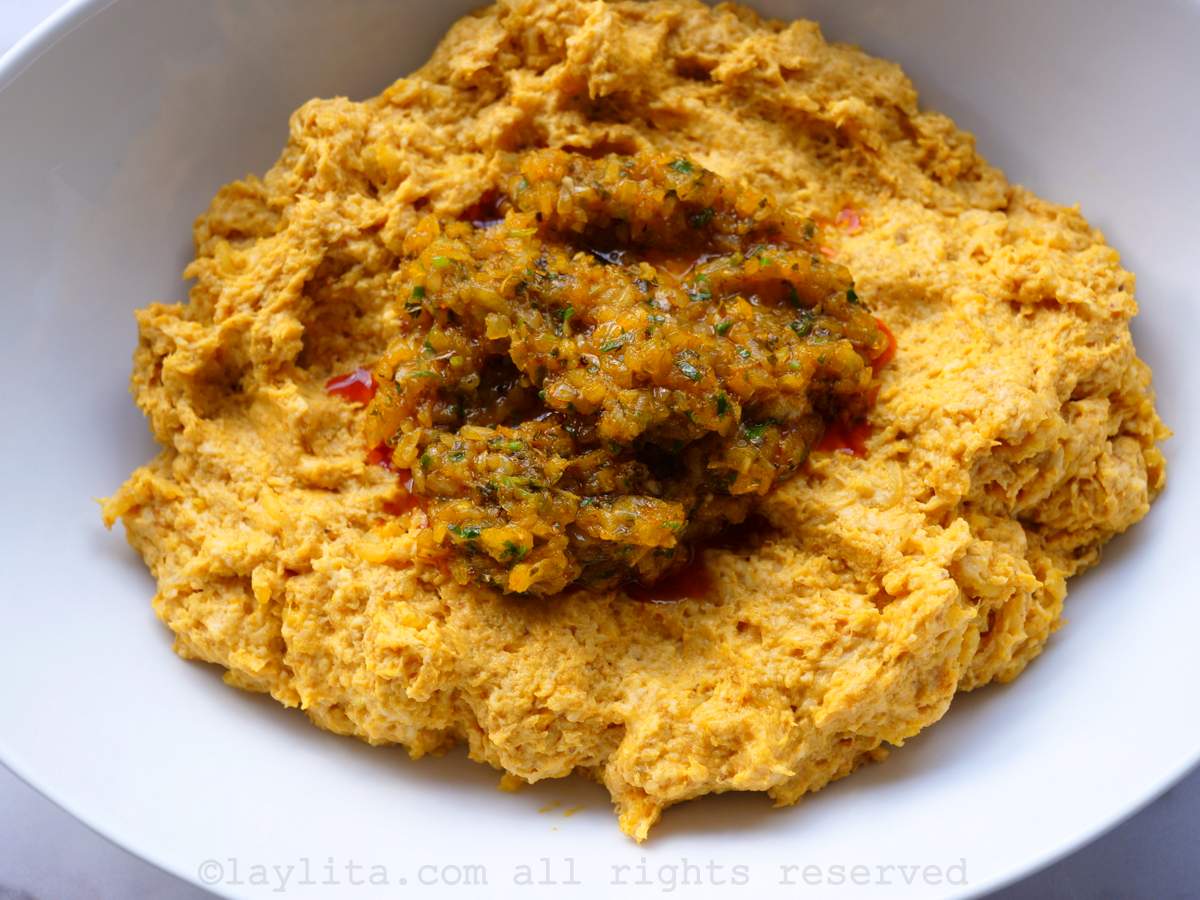
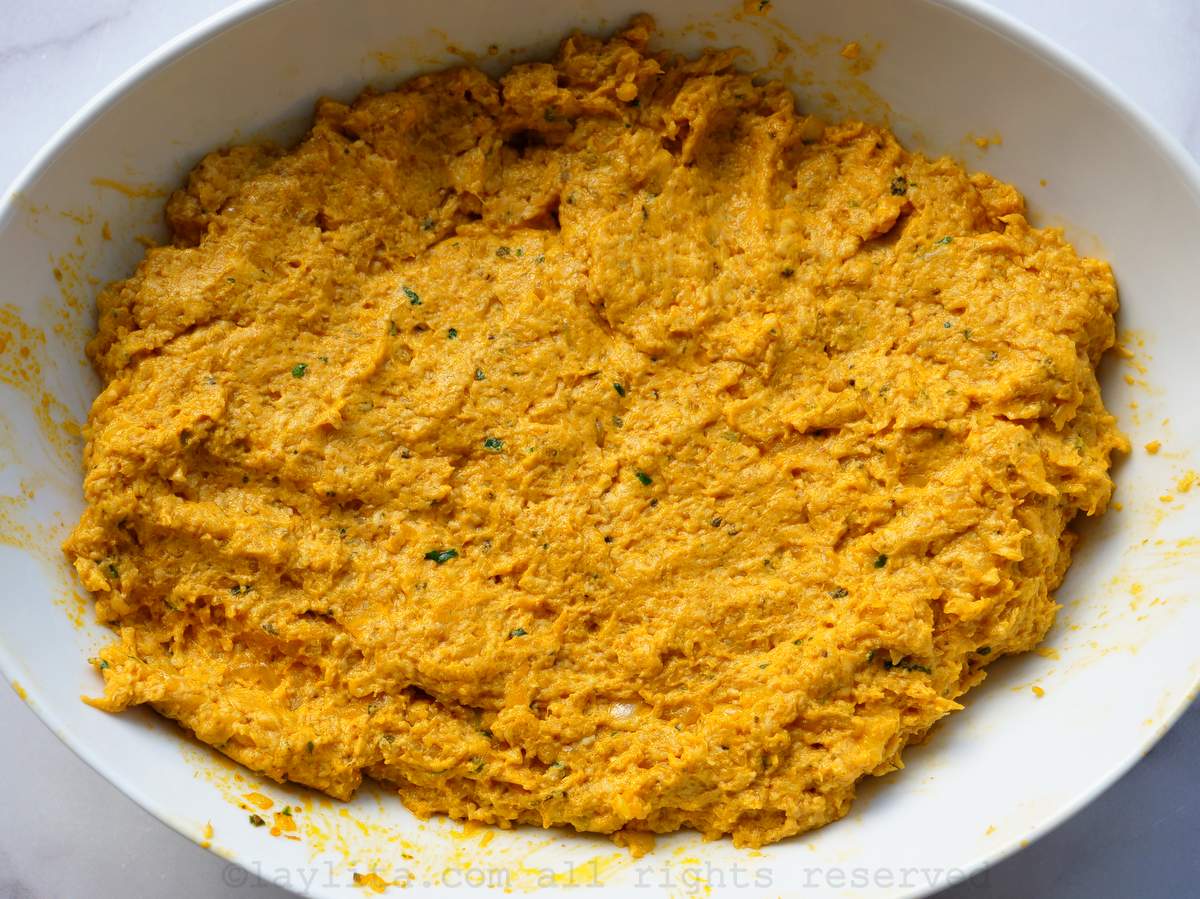
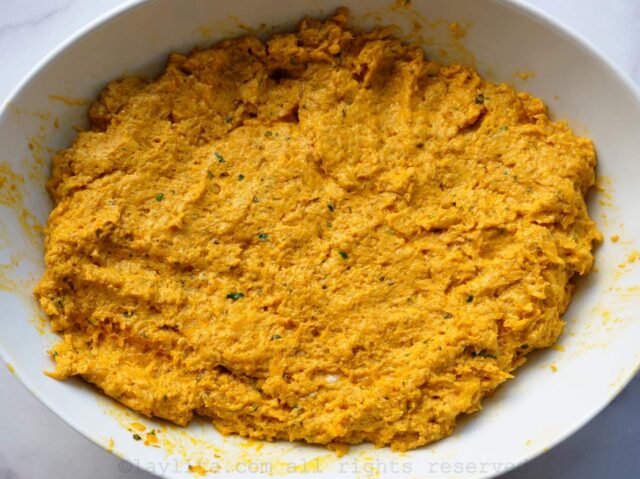
- Knead: Knead the dough until it becomes soft and comes away from your fingers easily. If the dough is dry, you can add a little fish stock (or water).
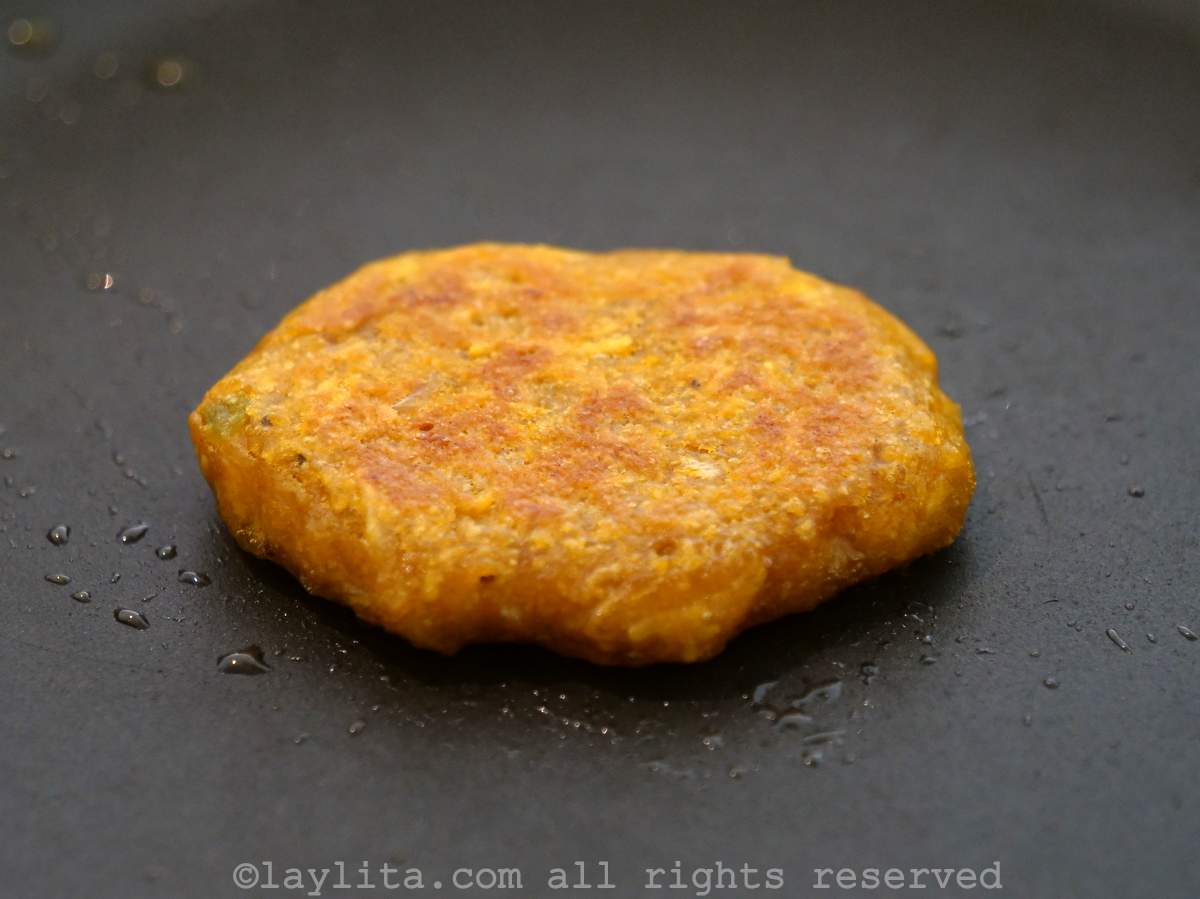
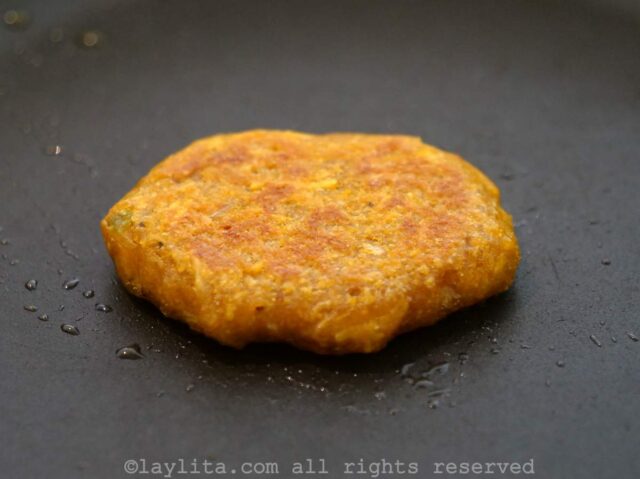
- Taste Test: To test the flavor of the dough, cook a small piece of the dough (flattened into a disk) in a pan. Taste and then adjust the salt if necessary, and add more peanut butter or other seasonings if desired. Knead the dough again to incorporate any additional ingredients. If desired, you can cook another small piece of dough again for the final check.
Assemble and fry the corviches:
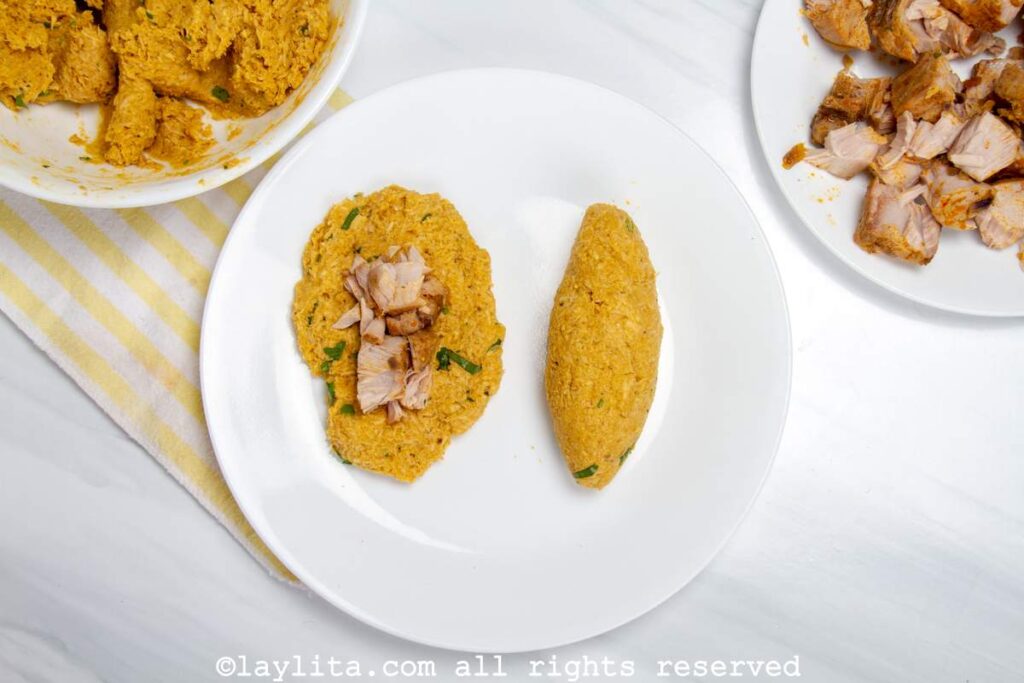
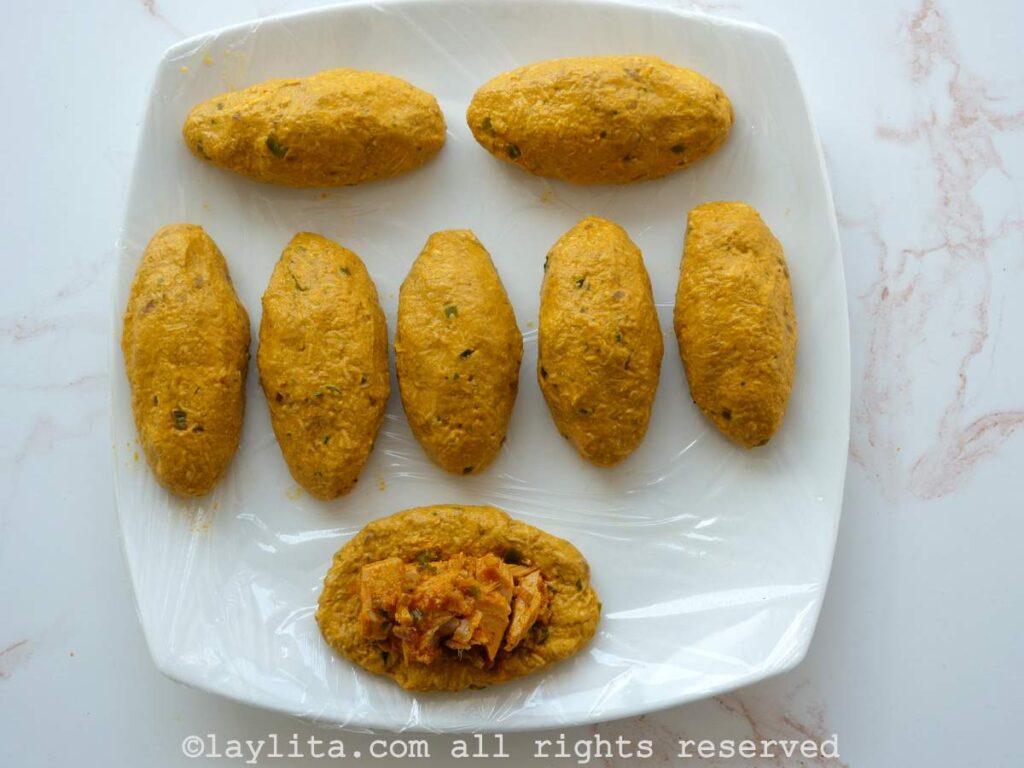
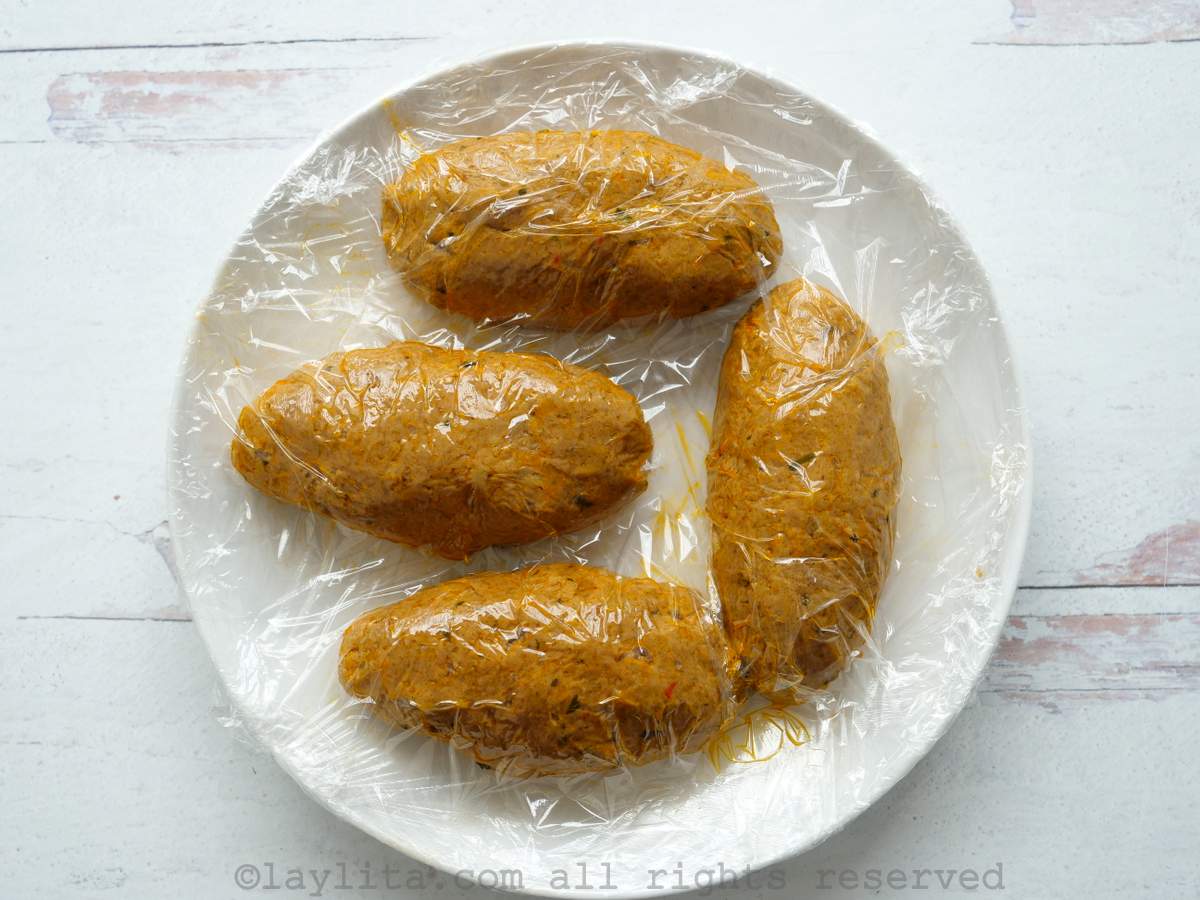
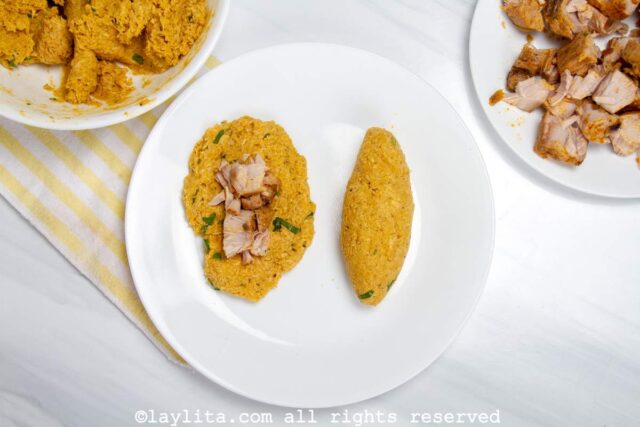
- Assemble the Corviches: Break or crumble the cooked fish into slices or small pieces. Form a flat patty with a portion of the green plantain dough and place a few pieces of the fish in the center. Fold the green plantain dough patty and shape it into an oval. Repeat this procedure with the rest of the plantain dough and fish filling. Keep the palms of your hands moistened with water to help form the corviches.
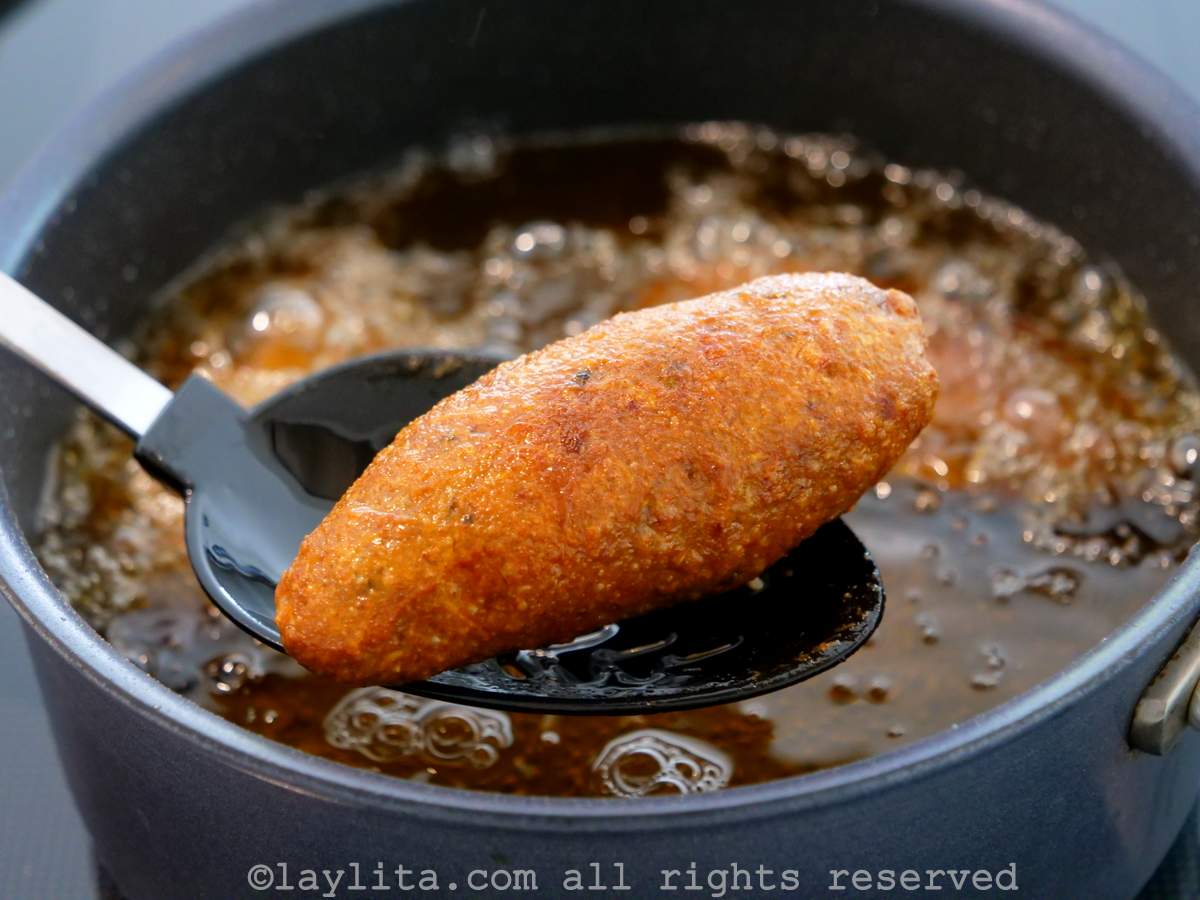
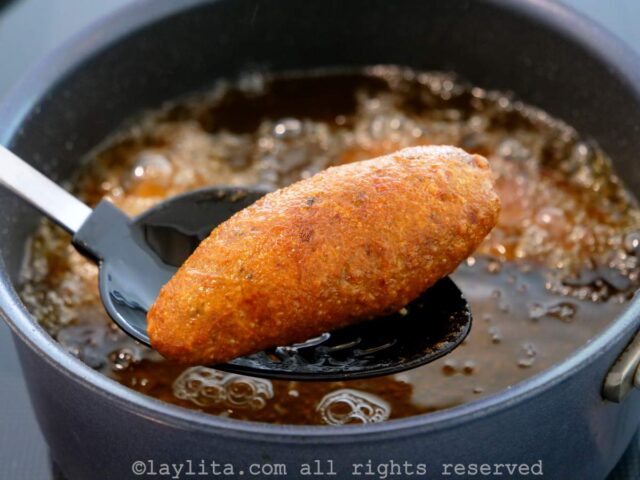
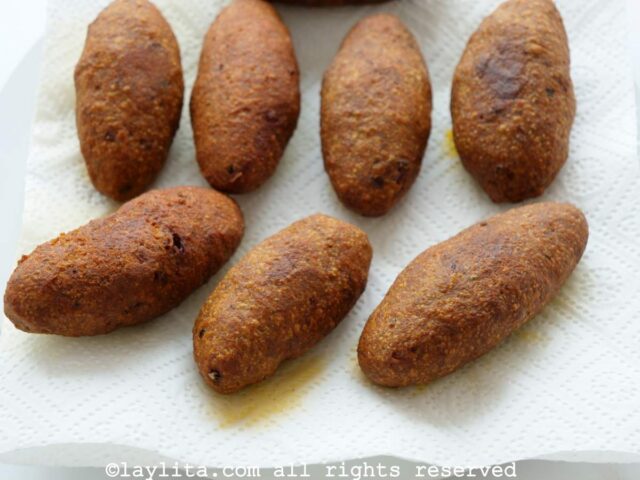
- Fry: Then, fry the corviches in plenty of hot oil until they are golden. Place the fried corviches on paper towels to absorb excess oil.
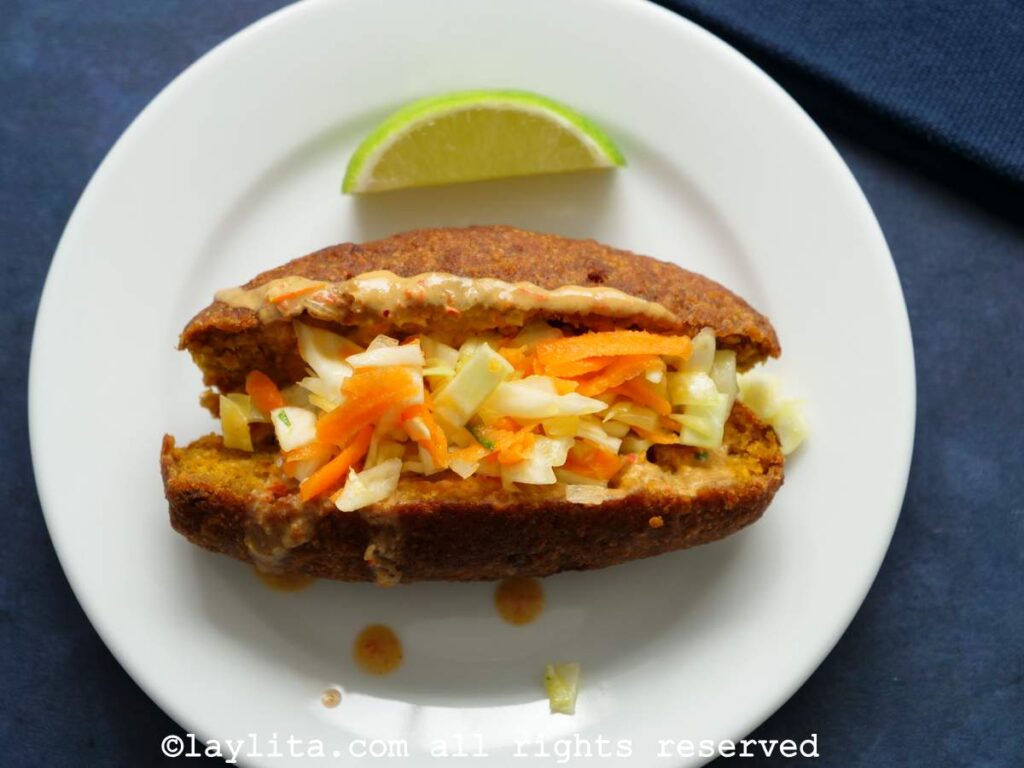
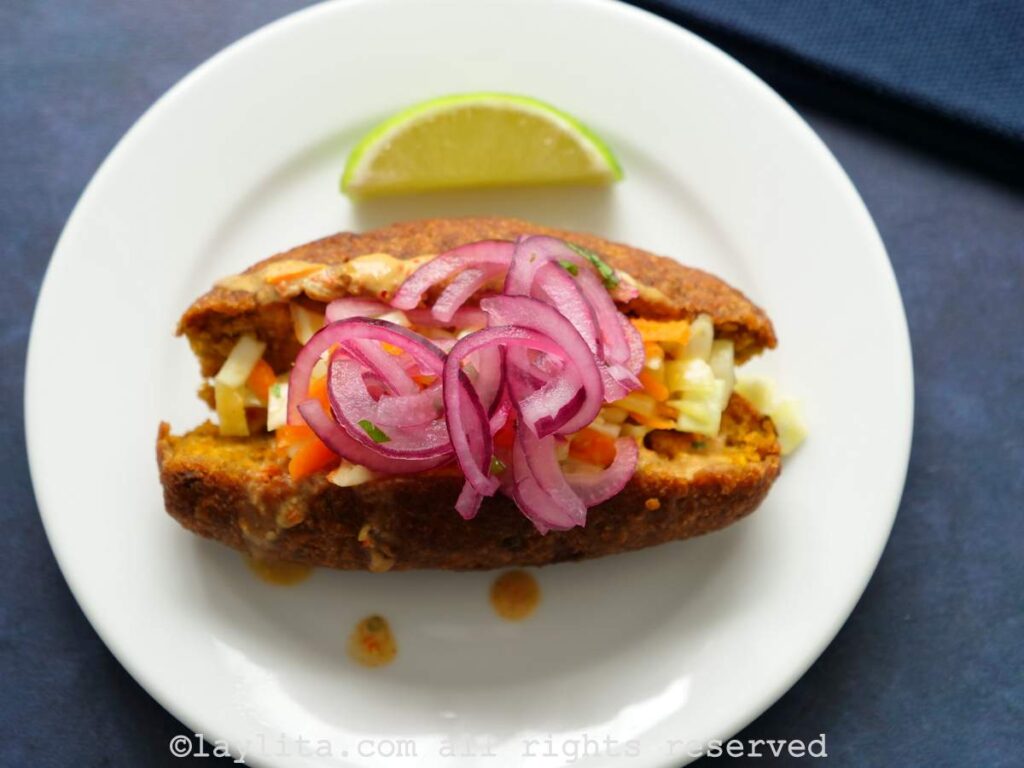
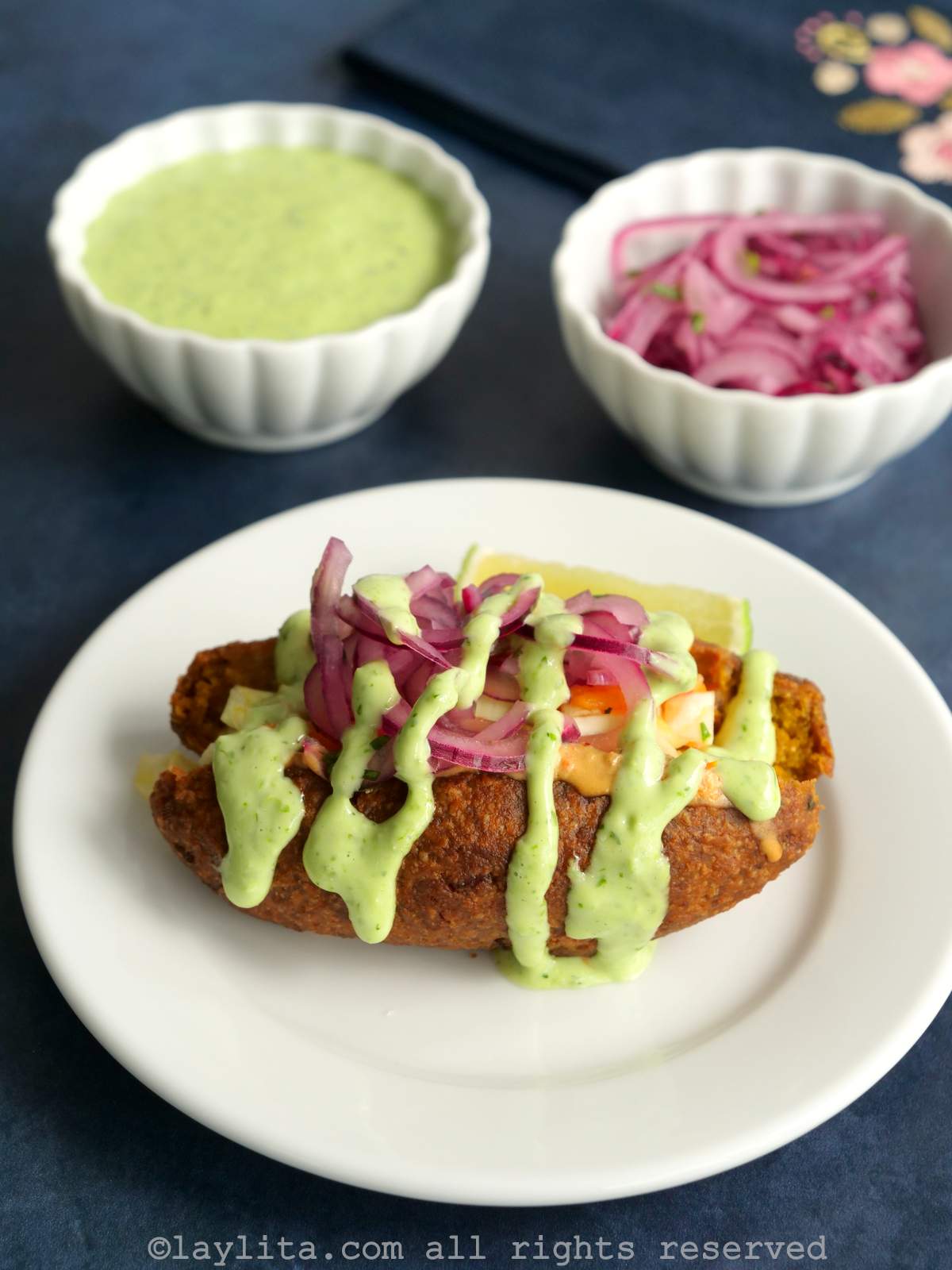
- Serve & Enjoy: Serve the corviches hot. The best way to serve them is to cut them lengthwise and then fill them with toppings and sauces of your choice. For example, with the peanut sauce you prepared previously, other toppings include coleslaw, red pickled onions, avocado, cilantro mayonnaise, aji style hot sauce to taste, etc.

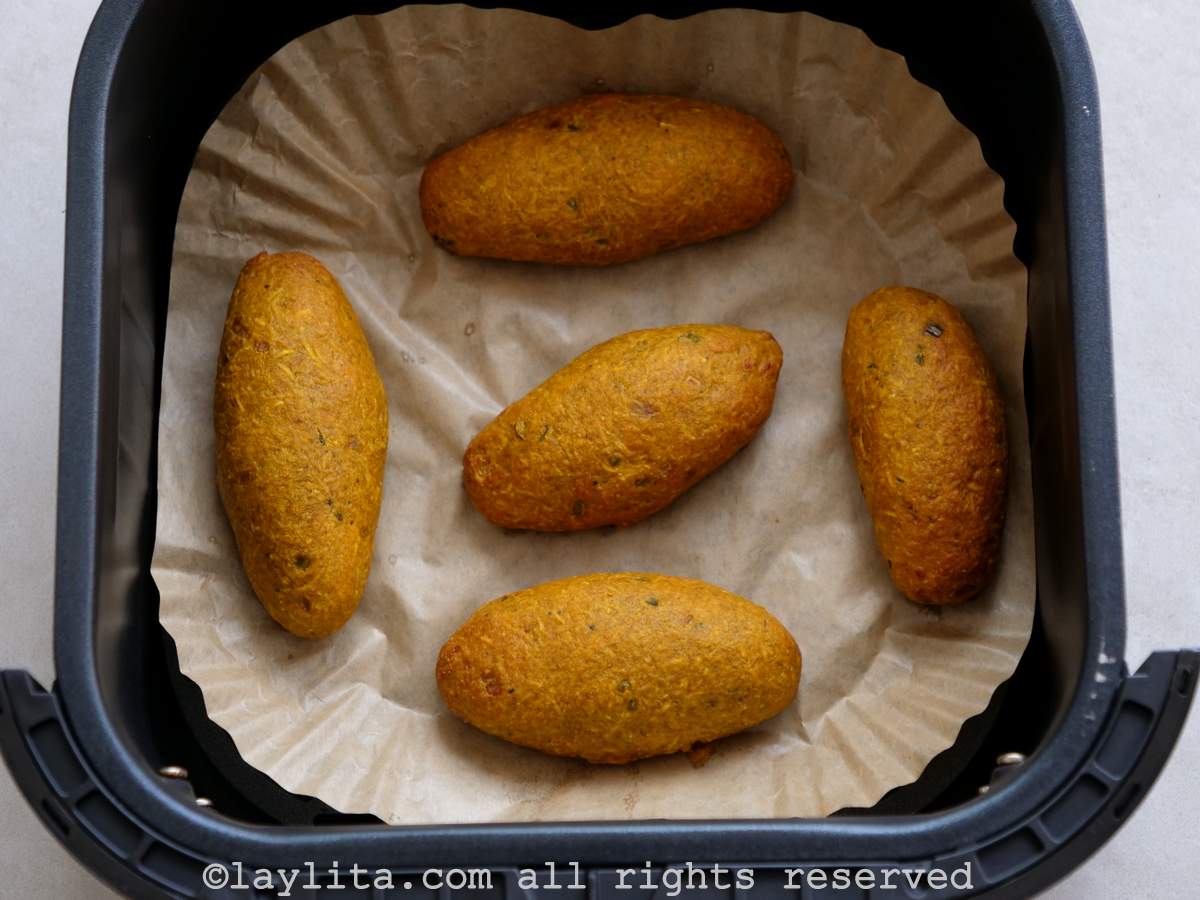
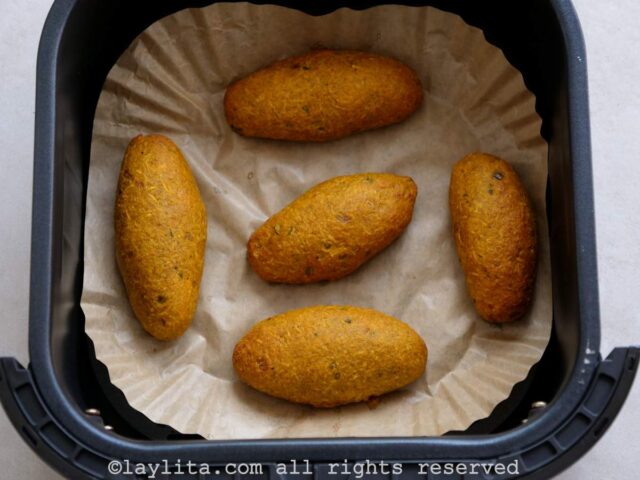
Pro tip! If you prefer not to fry the corviches de pescado, you can cook them in the air fryer instead. To cook the corviches in the air fryer, pre-heat the fryer to 180C / 350F. Spray the corviches with a little baking spray or use a parchment paper liner for the fryer. Gently place the corviches in the air fryer and let them cook for approximately 20 minutes, turning them over after the 10th minute.
Recipe Variations
In Manabí, it is traditional to serve corviches with the fish filling of albacore tuna in the middle. For ease, you can opt to use canned tuna instead! You can also use other types of fish and you even fill them shrimp or other seafood. In some regions of Ecuador, you can also find corviches filled with cheese. If you opt to make them with cheese, use a mild, melty cheese like mozzarella.
Tips for Success
- Fresh fish can be cooked with a little refrito or with water to make a broth, which is used in the peanut sauce or to moisten the dough if needed.
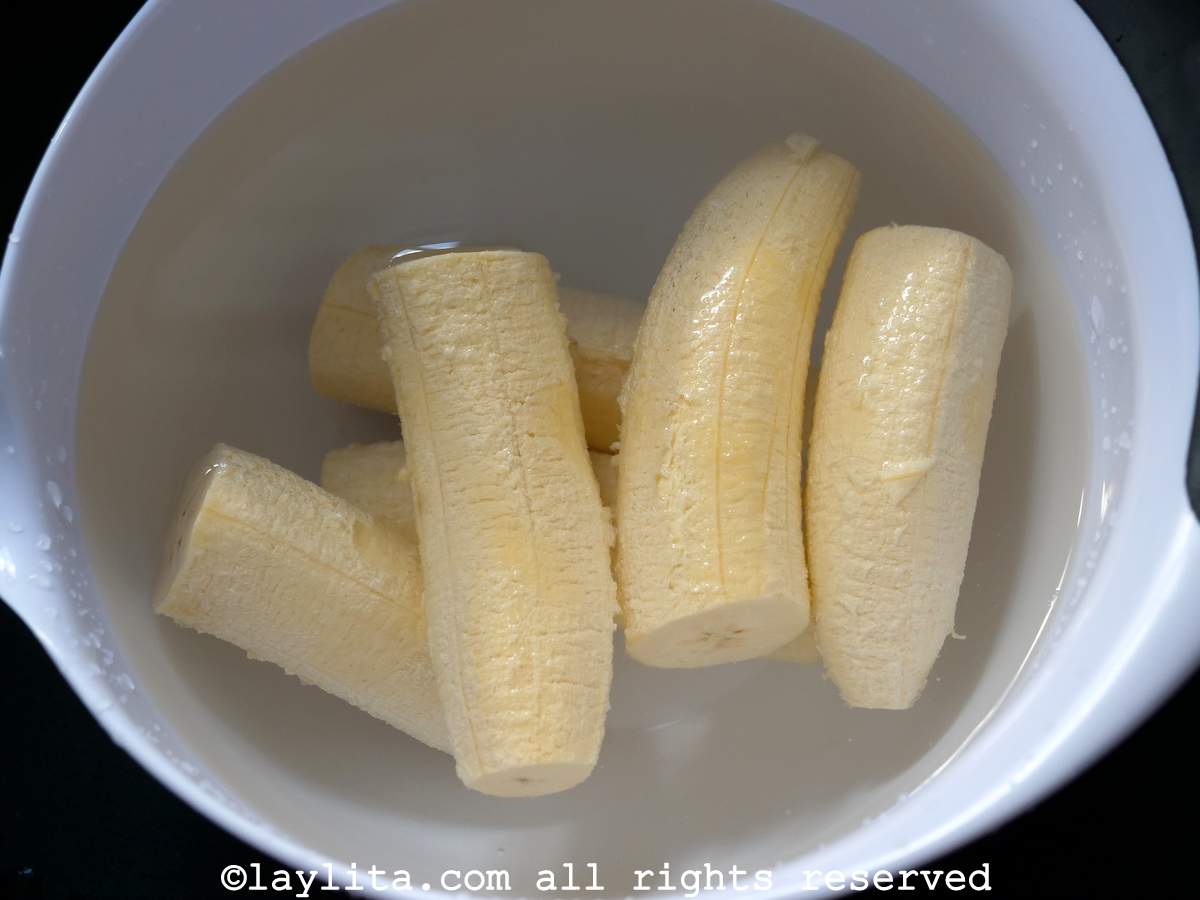
- Keep peeled plantains in water while grating to prevent browning from oxidation.
- Add room-temperature achiote oil quickly to the dough to avoid oxidation, which can turn it brown.
- Before you assemble the corbiches, cook a small piece of the dough to taste and adjust the seasoning as needed.
- To prevent the dough from sticking, keep your hands wet while shaping the corviches.
- Shaped but uncooked corviches can be stored overnight, wrapped in plastic to prevent drying or oxidation.
- Use enough oil to almost submerge the corviches while frying, or carefully spoon hot oil over them. Alternatively, bake or use an air fryer.
- Reheat corviches in the oven at 155°C (310°F) for 7-10 minutes.
How to Serve Corviche de Pescado
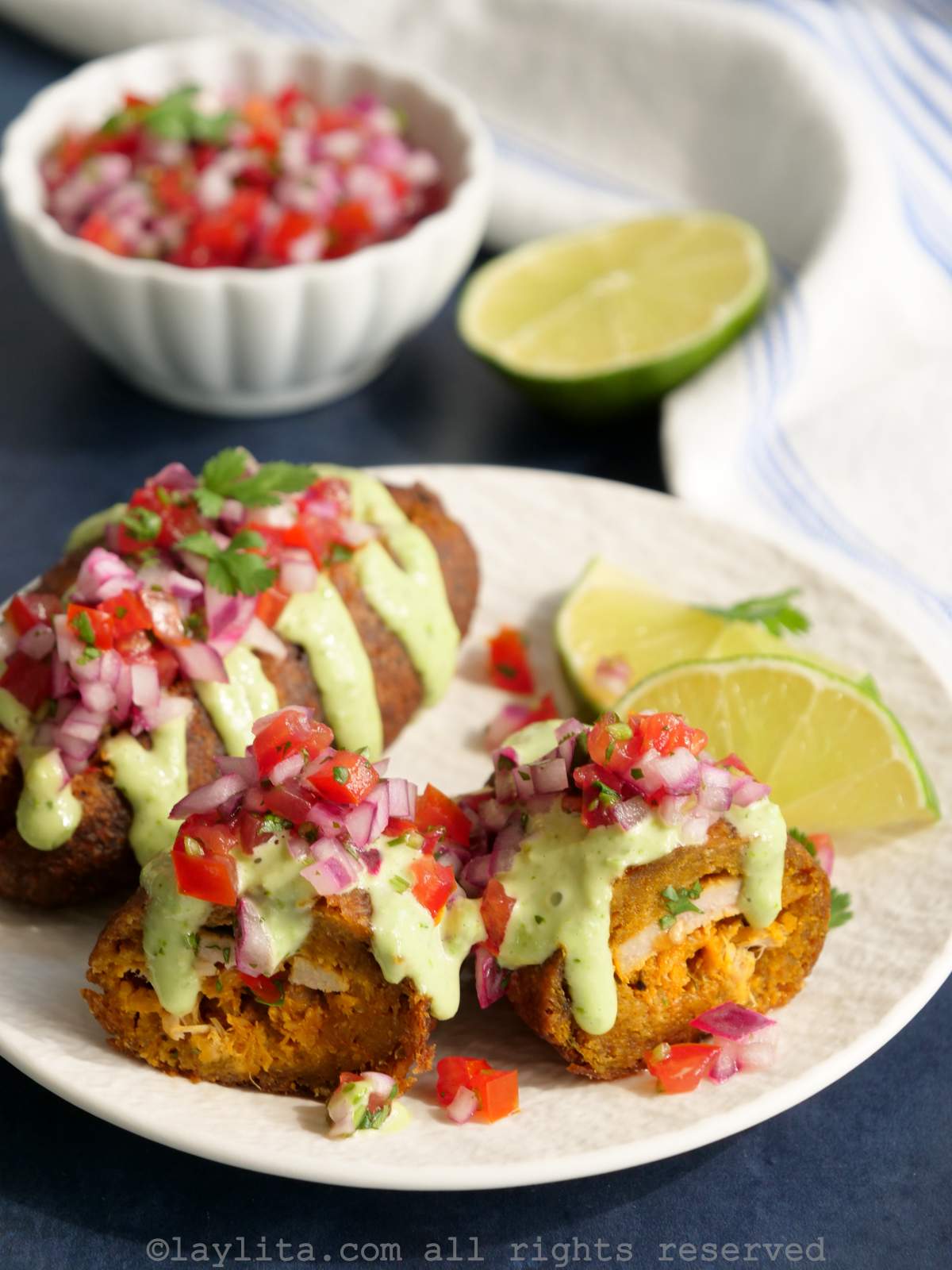
Ecuadorian corviches de pescado are versatile and can be enjoyed in a variety of ways. I like them with lots of sauces, and a lime wedge, too! You can also serve them with a side salad, a cabbage/carrot style coleslaw is a typical side or topping.
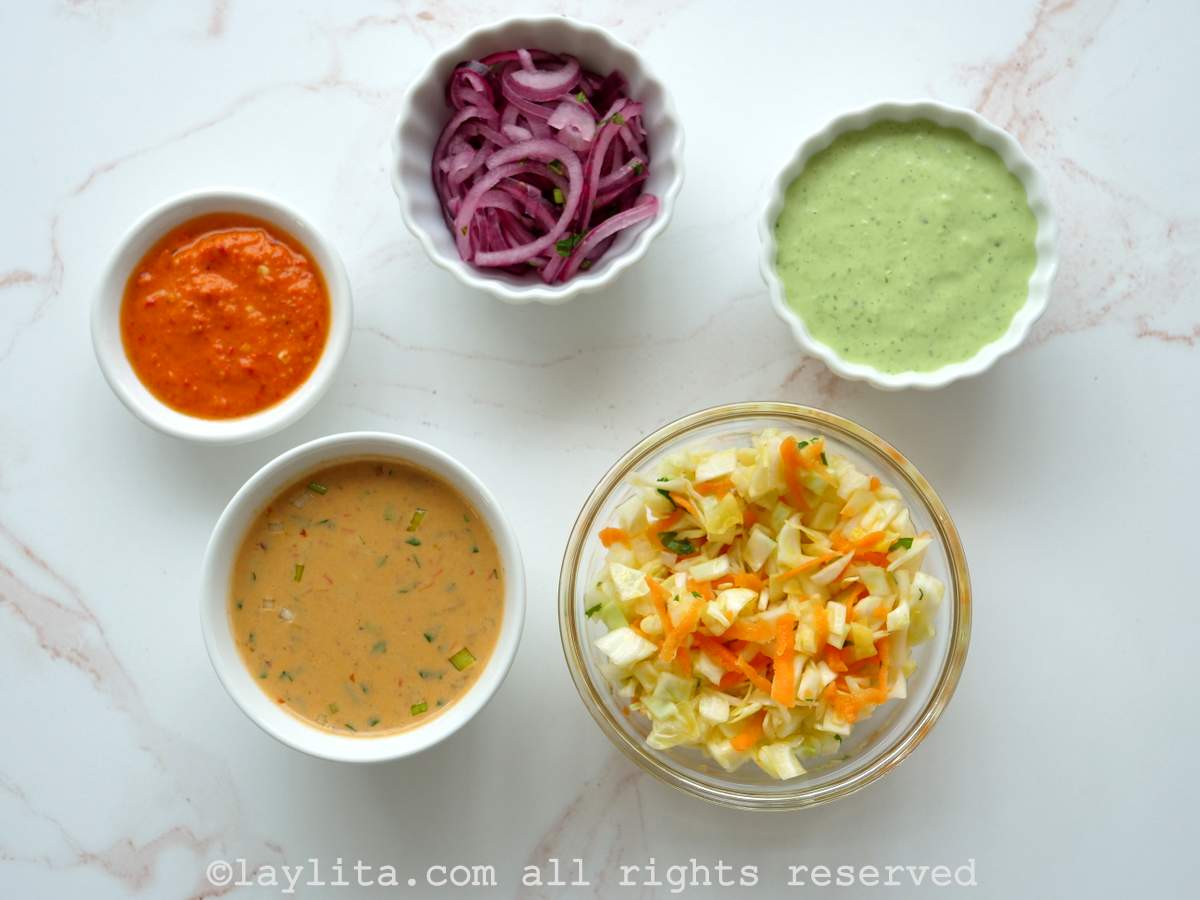
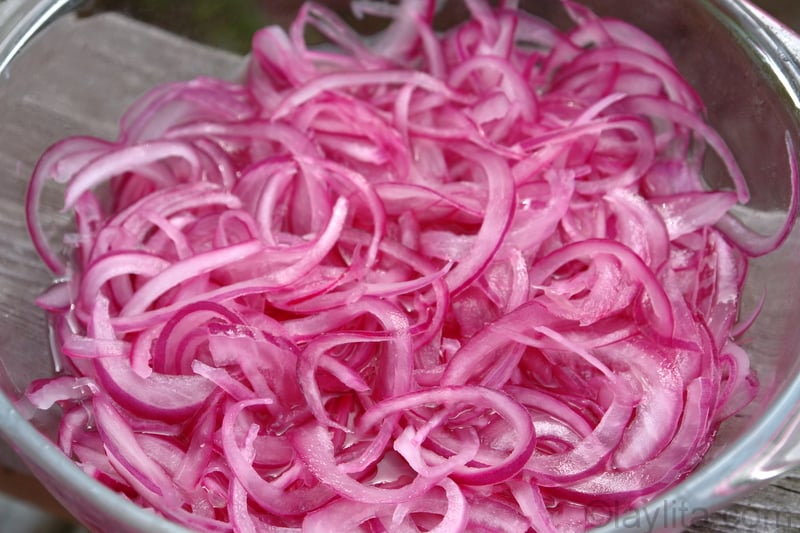
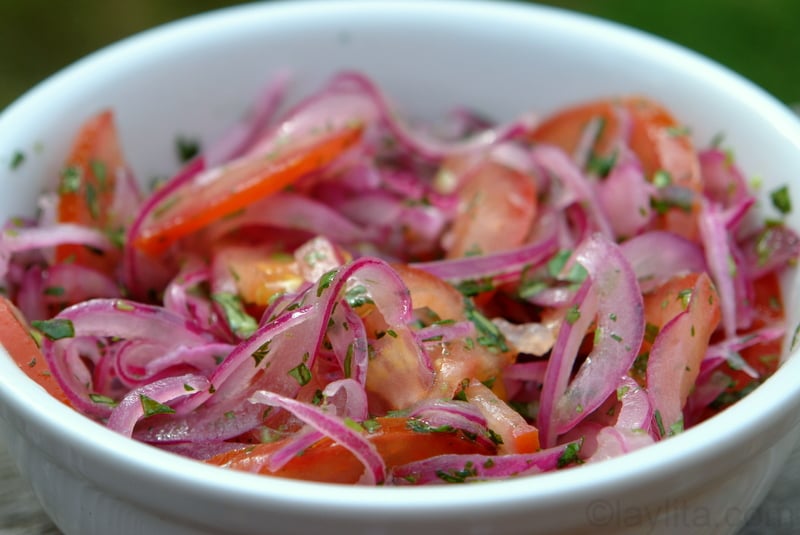
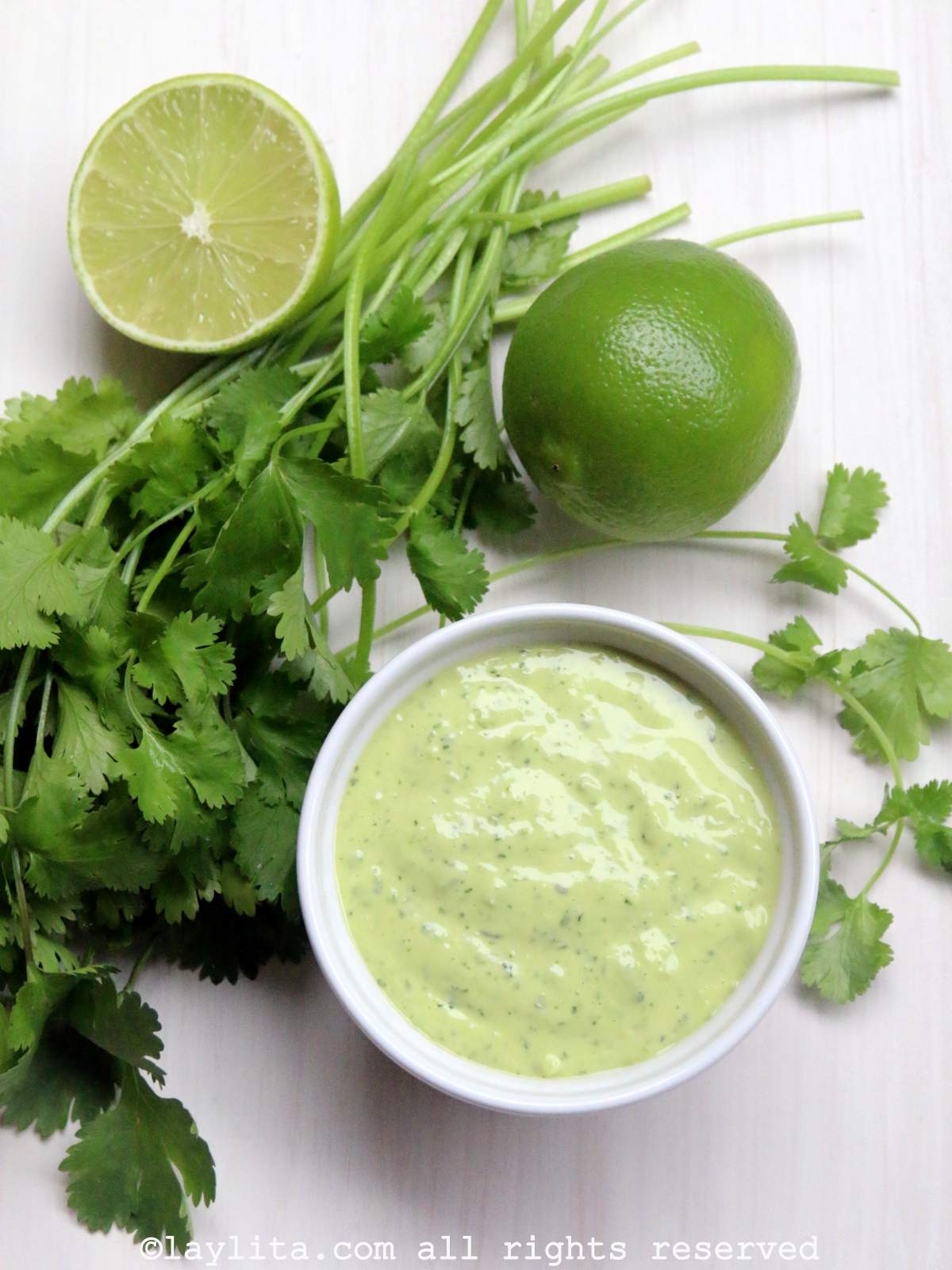
I recommend serving them with the following sauces and sides (mix and match based on your personal preference):
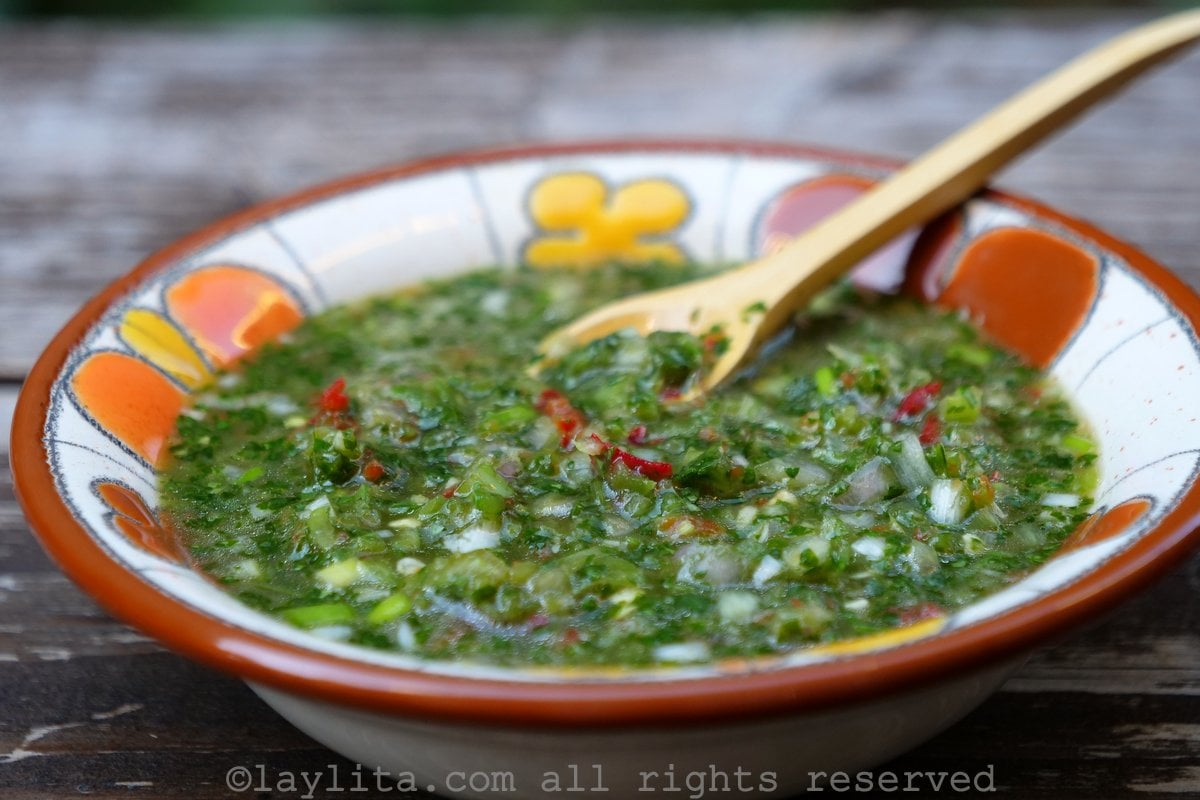
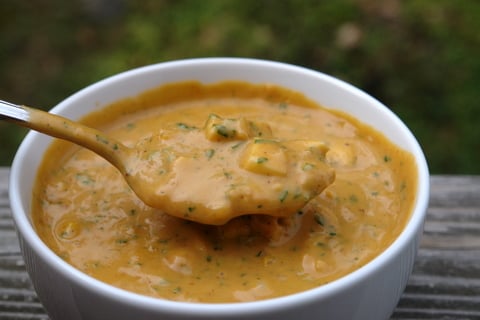
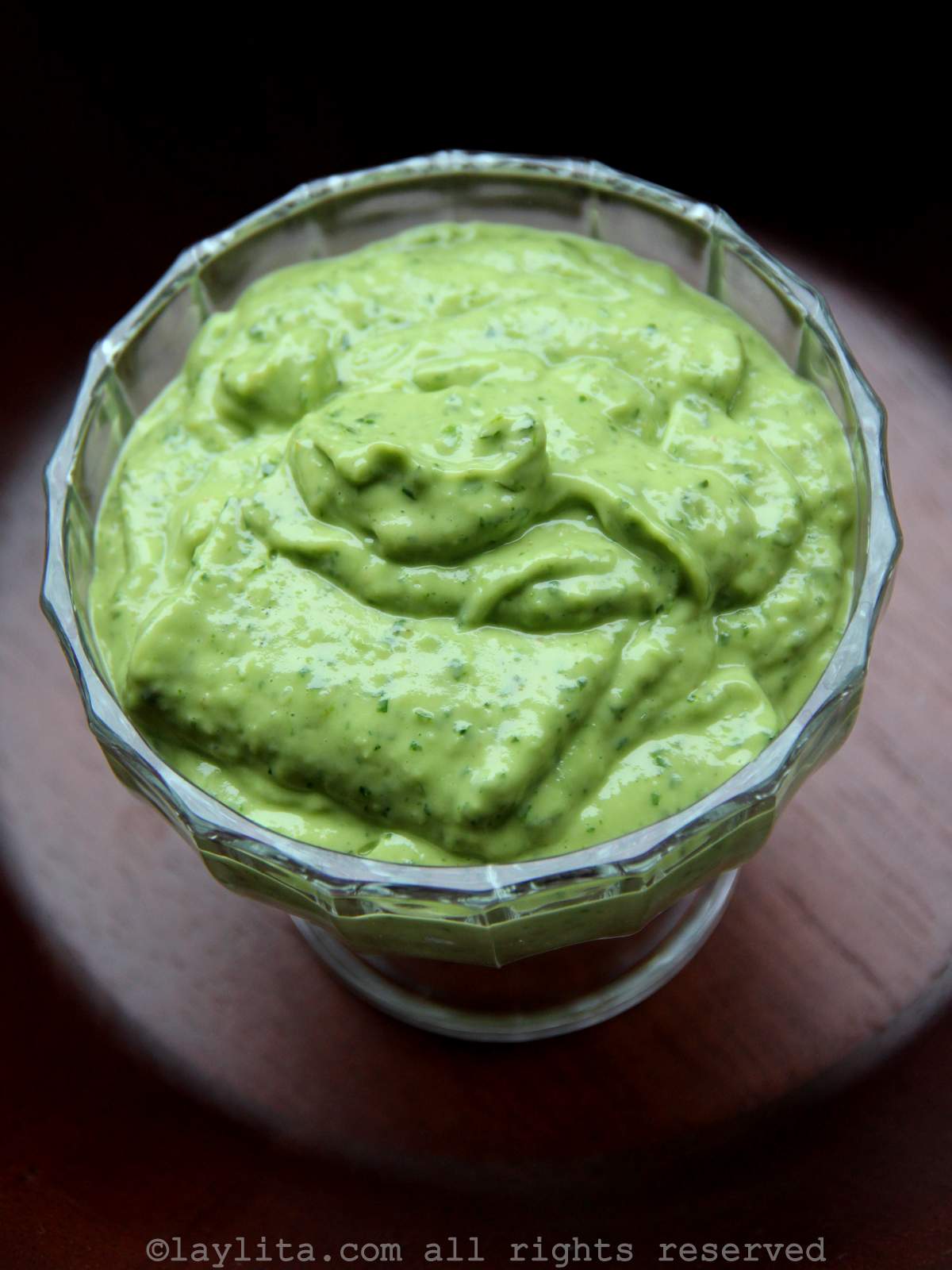
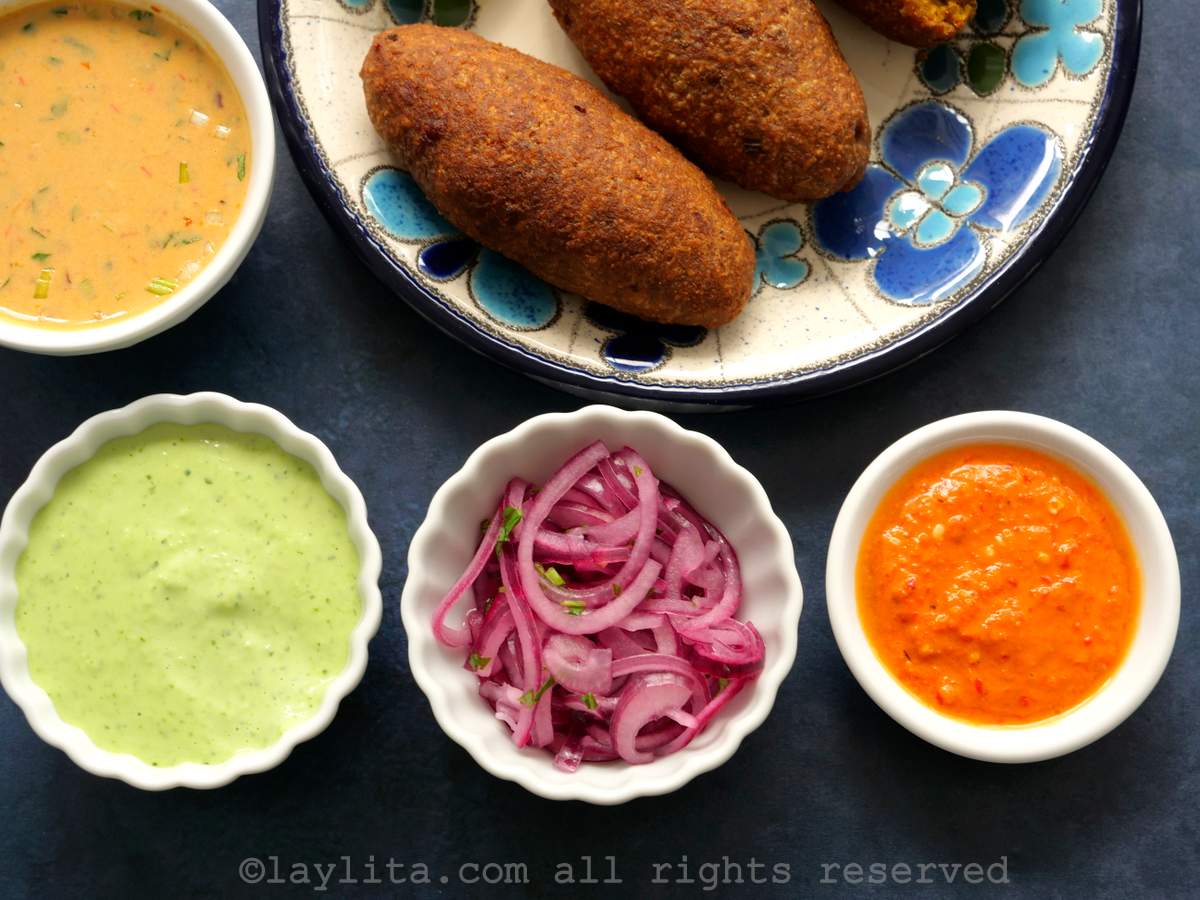
Corviche de Pescado (Ecuadorian Fish Corviches)
Ingredients
For the fish filling:
- 500 g of albacore tuna can also use corvina or sea bass, cut into medium pieces
- 4 tablespoons of achiote oil 60 ml
- 1 finely chopped red onion approximately 130 g
- 1-2 scallions or green onions finely chopped – only use the white part
- 2 garlic cloves crushed or minced
- 1 small green pepper or ½ large green pepper finely chopped
- ½ teaspoon of cumin powder
- ½ bunch of cilantro or about 2 tablespoons of chopped cilantro save 2-3 cilantro sprigs for the broth
For the peanut sauce:
- ½ cup peanut butter no sugar added
- ½ cup fish broth or water
For the grated green plantain dough:
- 500 grams of green plantains 2 medium or 3 small ones
- ¼ cup achiote oil 60ml
- ½ cup peanut butter no sugar added, approximately 150 g
- Salt and pepper to taste
To fry the corviches:
- 2-3 cups of oil
To serve the corviches:
- Pickled onions or
- Onion and tomato curtido salsa
- Peanut sauce or peanut aji hot sauce
- Cilantro aioli
- Cabbage salad with carrot
- Avocado sauce
Instructions
For the fish filling:
- Season the fish with salt, pepper, and cumin.

- In a small pot, prepare a refrito (sofrito) by heating achiote oil and then add the chopped red onion, scallions, crushed garlic, green bell pepper, cumin, and salt/pepper to taste.

- When the onions are translucent and soft, remove half of the refrito from the pan and reserve it for the green plantain dough and the peanut sauce.
- Add the fish pieces to the refrito. You can cook the fish with just the refrito (without water), or if you want some fish broth (for the peanut sauce), you can add ½ cup to ¾ cup of water. Add the cilantro sprigs and bring the water to a boil. Cook covered for about 5-10 minutes or until the fish is soft and cooked. Then, remove the fish pieces from the broth and save the broth for the peanut sauce.
- If you did not add water, simply remove the contents of the pot (the fish and the onion refrito), and prepare the peanut sauce in the same pot (without washing).
For the peanut sauce:
- In the same pan where the fish was cooked, add ½ cup of the peanut butter and ½ cup of the fish broth (or ½ cup of water if you don’t have broth), 1-2 tablespoons of the refrito, and salt to taste. Cook over medium heat, stirring, until a sauce forms; you can adjust the thickness to your liking by adding more broth or water. You can also add some additional chopped fresh cilantro at the end.
For the grated green plantain dough:
- Peel the green plantains and grate them on the fine side of the grater. You can grate them on the super fine side (they come out almost like smoothies or puree).

- Or also on the fine grater side, but still grated. You can use whichever option you prefer, or a combination of both options.

- Immediately mix the grated green with the achiote oil and the rest of the peanut butter, and mix well.
- Then add the rest of the refrito that you saved when preparing the fish.
- Knead the dough until it becomes soft and comes away from your fingers easily. If the dough is dry, you can add a little fish stock (or water).
- To test the flavor of the dough, cook a small piece of the dough (flattened into a disk) in a pan. Taste and then adjust the salt if necessary, and add more peanut butter or other seasonings if desired. Knead the dough again to incorporate any additional ingredients. If desired, you can cook another small piece of dough again for the final check.
To assemble and fry the corviches:
- Break or crumble the cooked fish into slices or small pieces.
- Form a flat patty with a portion of the green plantain dough and place a few pieces of the fish in the center. Fold the green plantain dough patty and shape it into an oval. Repeat this procedure with the rest of the plantain dough and fish filling. Keep the palms of your hands moistened with water to help form the corviches.
- Then, fry the corviches in plenty of hot oil*** until they are golden.
- Place the fried corviches on paper towels to absorb excess oil.
- Serve the corviches hot. The best way to serve them is to cut them lengthwise and then fill them with toppings and sauces of your choice. For example, with the peanut sauce you prepared previously, other toppings include coleslaw, red pickled onions,, avocado, cilantro mayonnaise, aji style hot sauce to taste, etc.

Notes
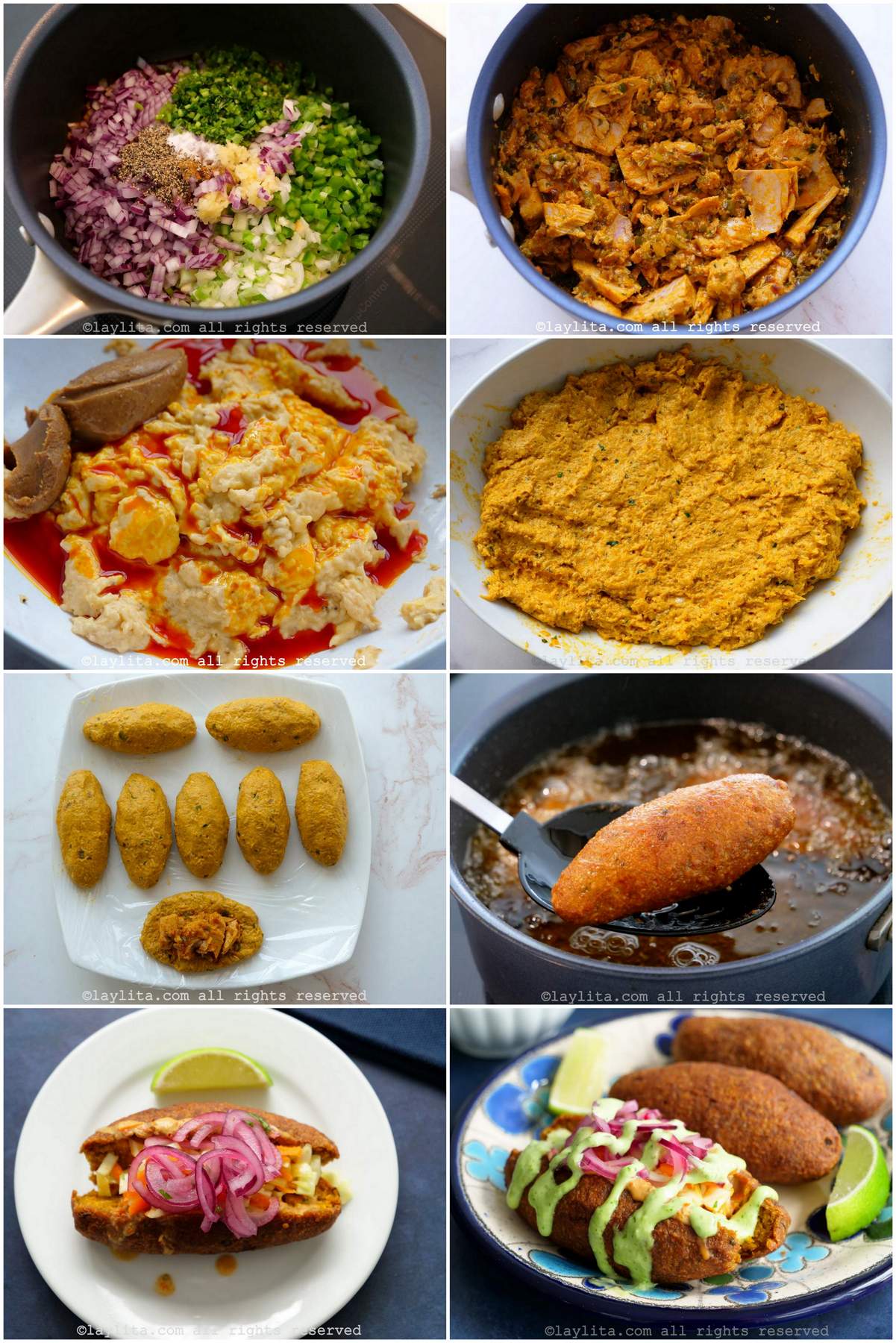
Steb by step preparation photos for Ecuadorian corviche croquettes:
More Ecuadorian Plantain Recipes to Try




Discover more from Laylita's Recipes
Subscribe to get the latest posts sent to your email.


I had these recently in Ecuador and loved them, so happy to find your recipe so I can make them at home.