Italian Amaretti Cookies

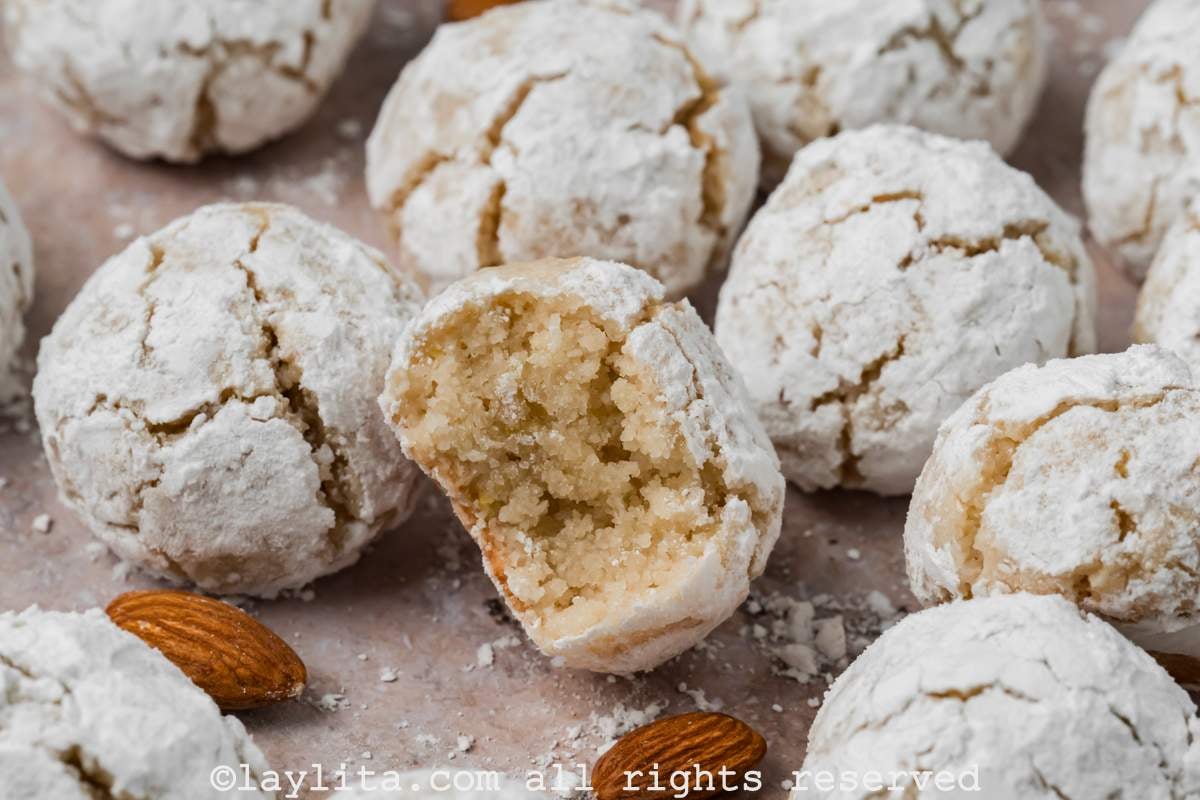
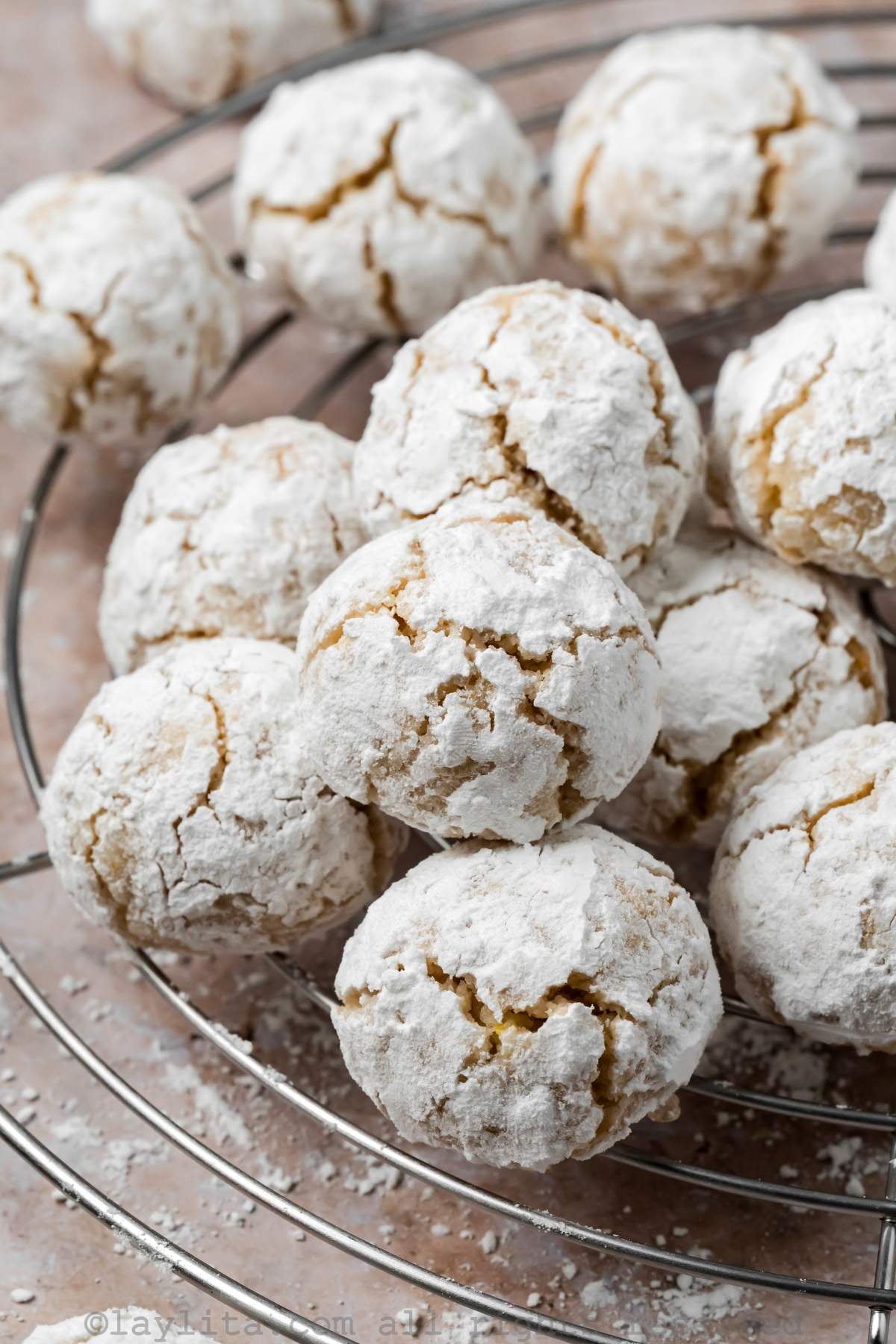
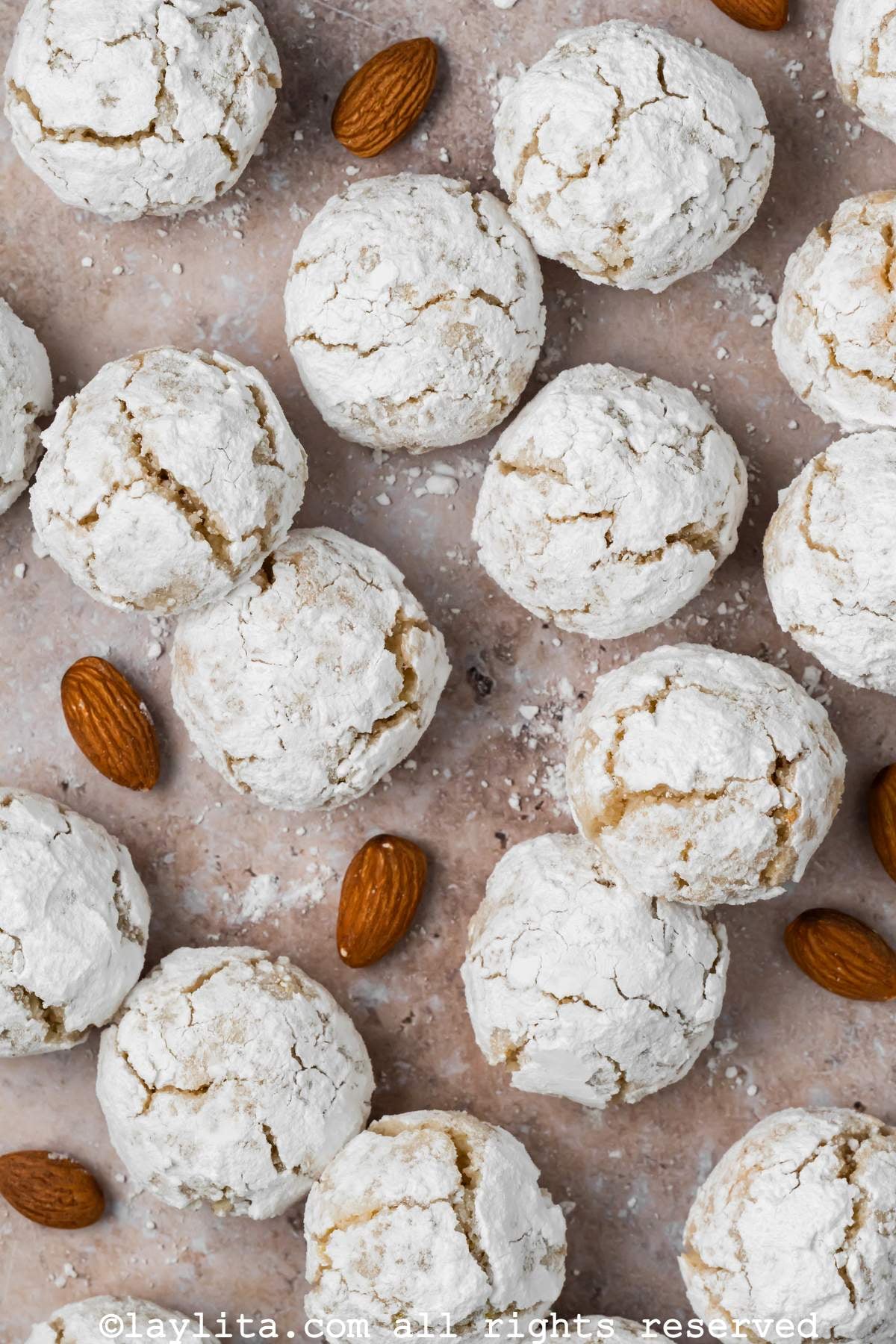
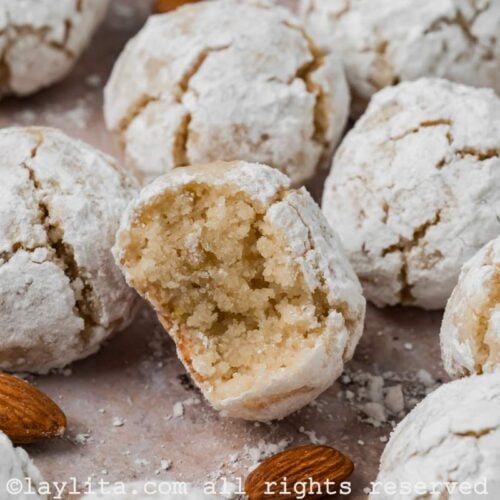
These Italian Amaretti Cookies are soft and chewy on the inside, crackly and snowy-white on the outside, and so full of almond flavor it’s hard to stop at one (trust me, I’ve tried). They take just seven ingredients, one bowl plus a quick whip of egg whites, and no flour at all!
I’ve always been a sucker for desserts that rely on a few really good ingredients, and amaretti are a perfect example. Many of my favorite European recipes came to me through friends, like my Italian friend Rossana, whose Homemade tiramisu is still the best I’ve ever tasted.
Amaretti have that same simple, no-fuss Italian charm, and since moving to Europe I see them everywhere, tucked next to a cup of espresso or piled high on holiday cookie trays.
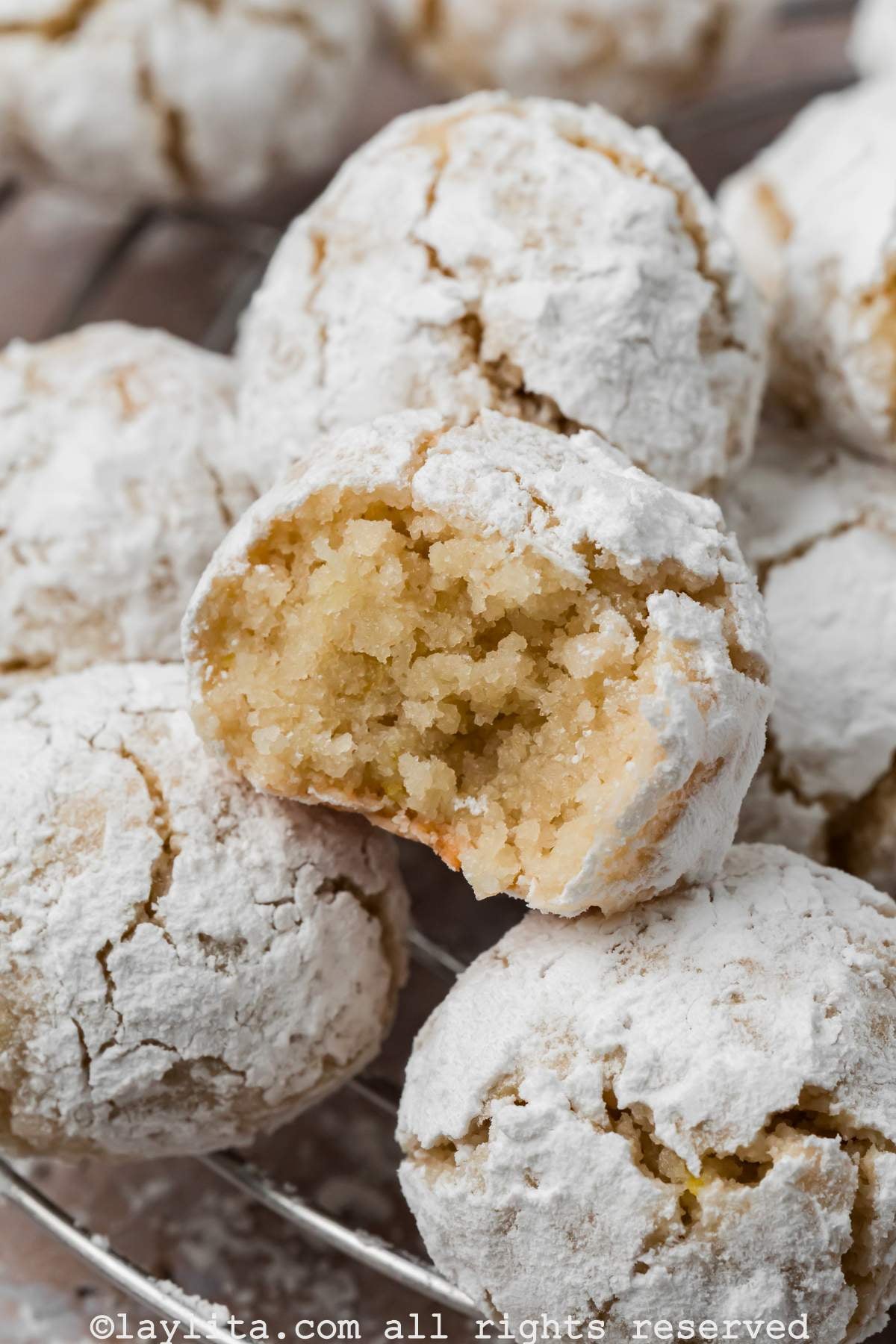
This is my go-to version of the soft-style amaretti, with a little lemon zest to brighten up all that almond. Once you see how easy they are, I have a feeling they’ll land on your holiday baking list too.
What Are Amaretti Cookies?
Amaretti cookies are classic Italian almond cookies made from ground almonds, sugar and egg whites. The name comes from the Italian word amaro, meaning bitter, a nod to the bitter almonds or apricot kernels traditionally used to flavor them.
Why You’ll Love This Recipe
- Naturally gluten-free. Made with almond flour instead of wheat flour, these cookies are a great option for friends who avoid gluten. They’re also dairy-free, since there’s no butter or milk in the dough.
- Just seven ingredients. You probably have most of them in your pantry already. No butter to soften and no chilling time required.
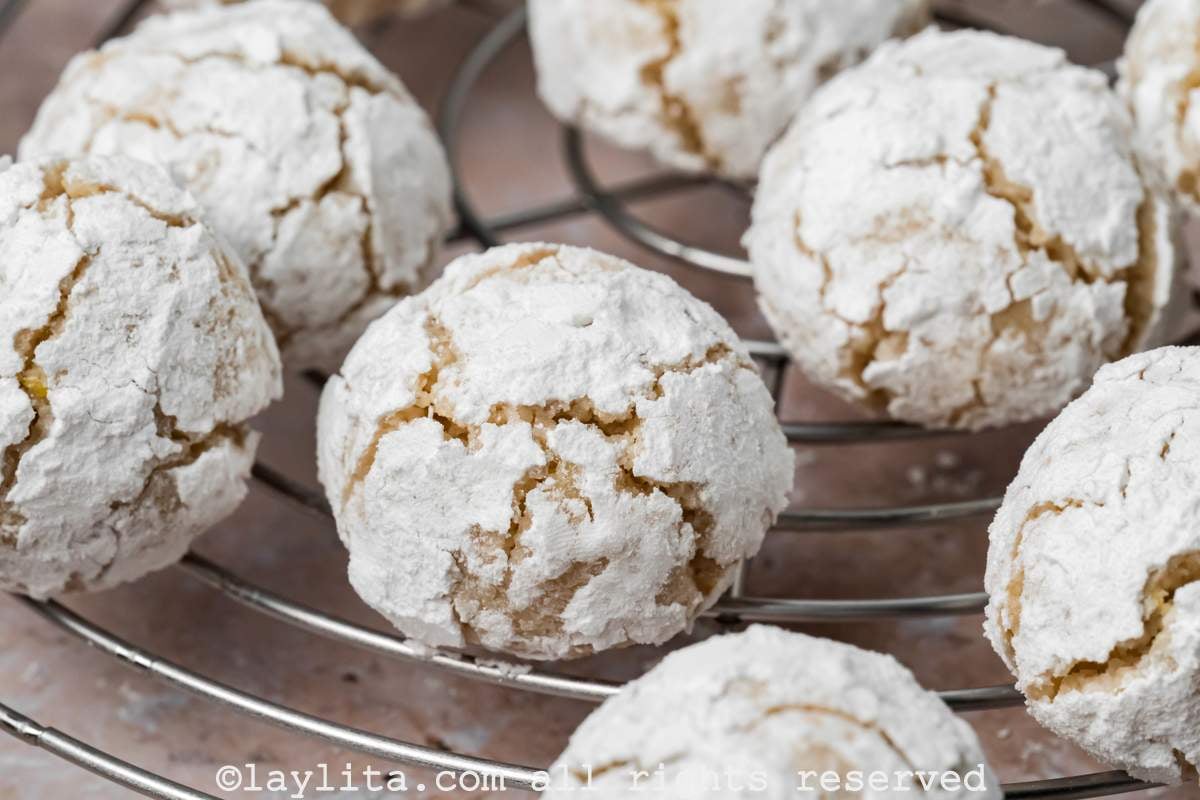
- Bakery-worthy looks. Rolling the dough in powdered sugar gives you those gorgeous crackled tops. They look like they came straight from an Italian pastry shop.
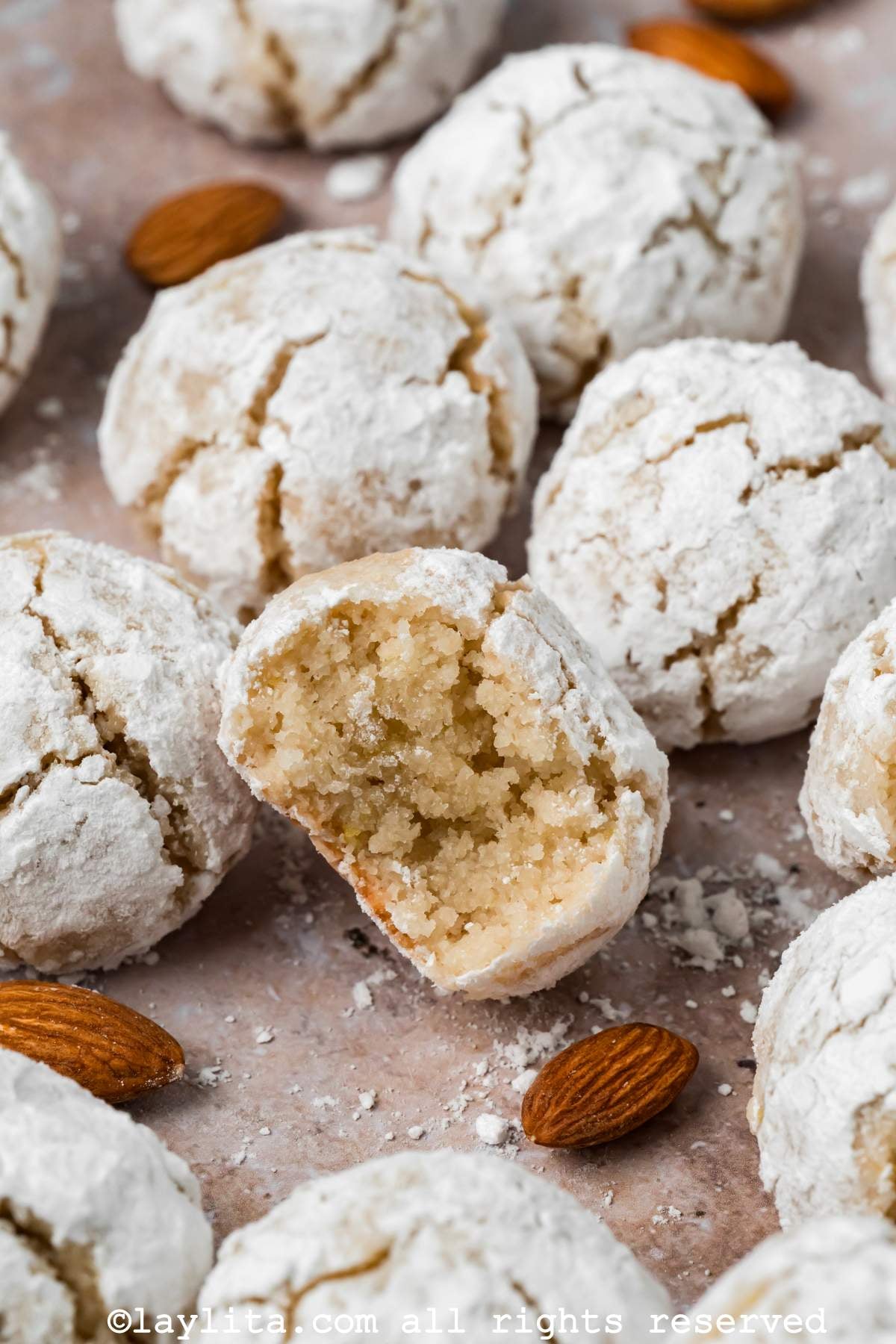
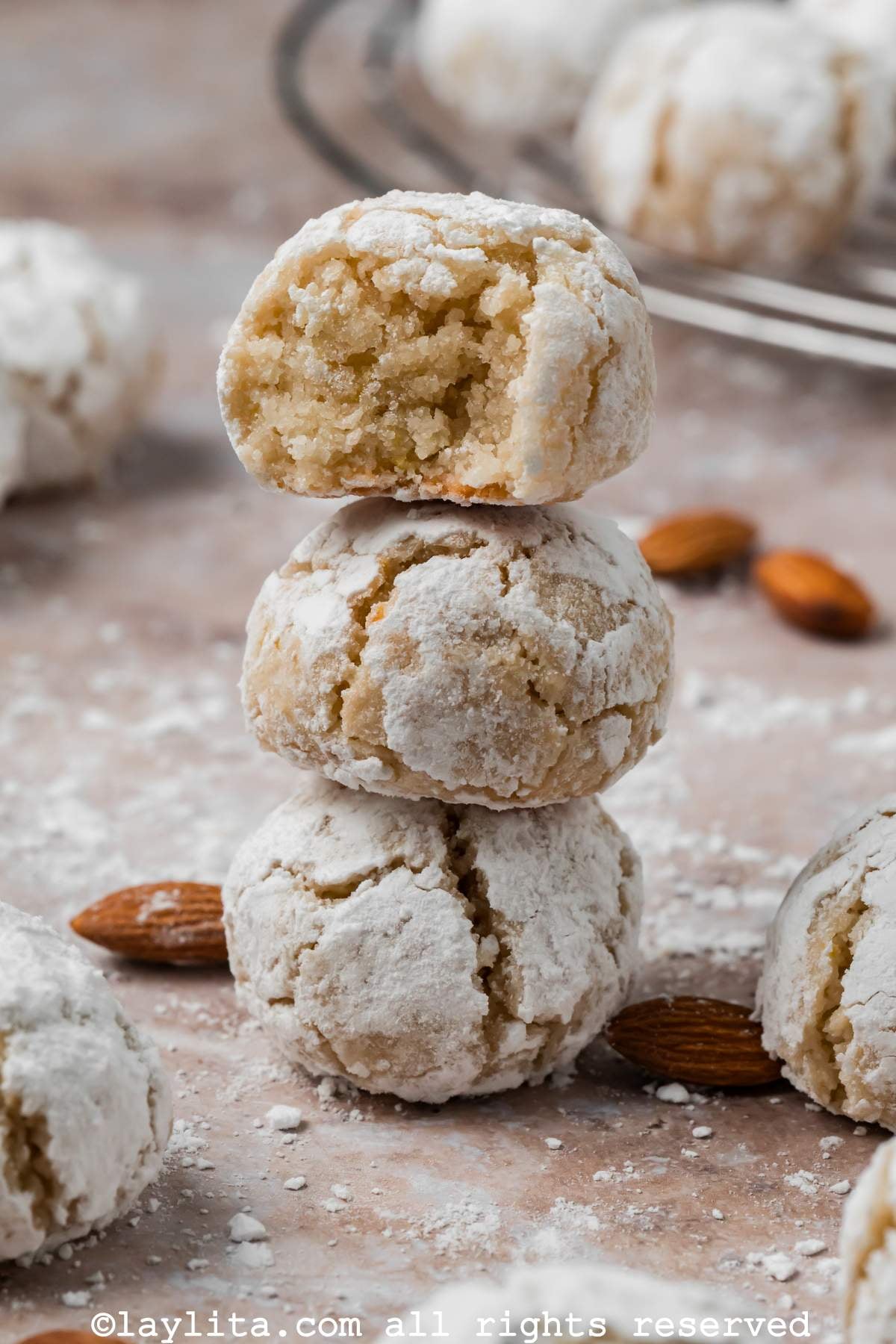
- Soft, chewy texture. These are tender in the middle with a light, delicate crust. It’s the best of both worlds.
- Perfect for gifting. Amaretti cookies keep well and travel well. Pack them in a tin or a cellophane bag with a ribbon for an easy homemade holiday gift.
Ingredient Notes
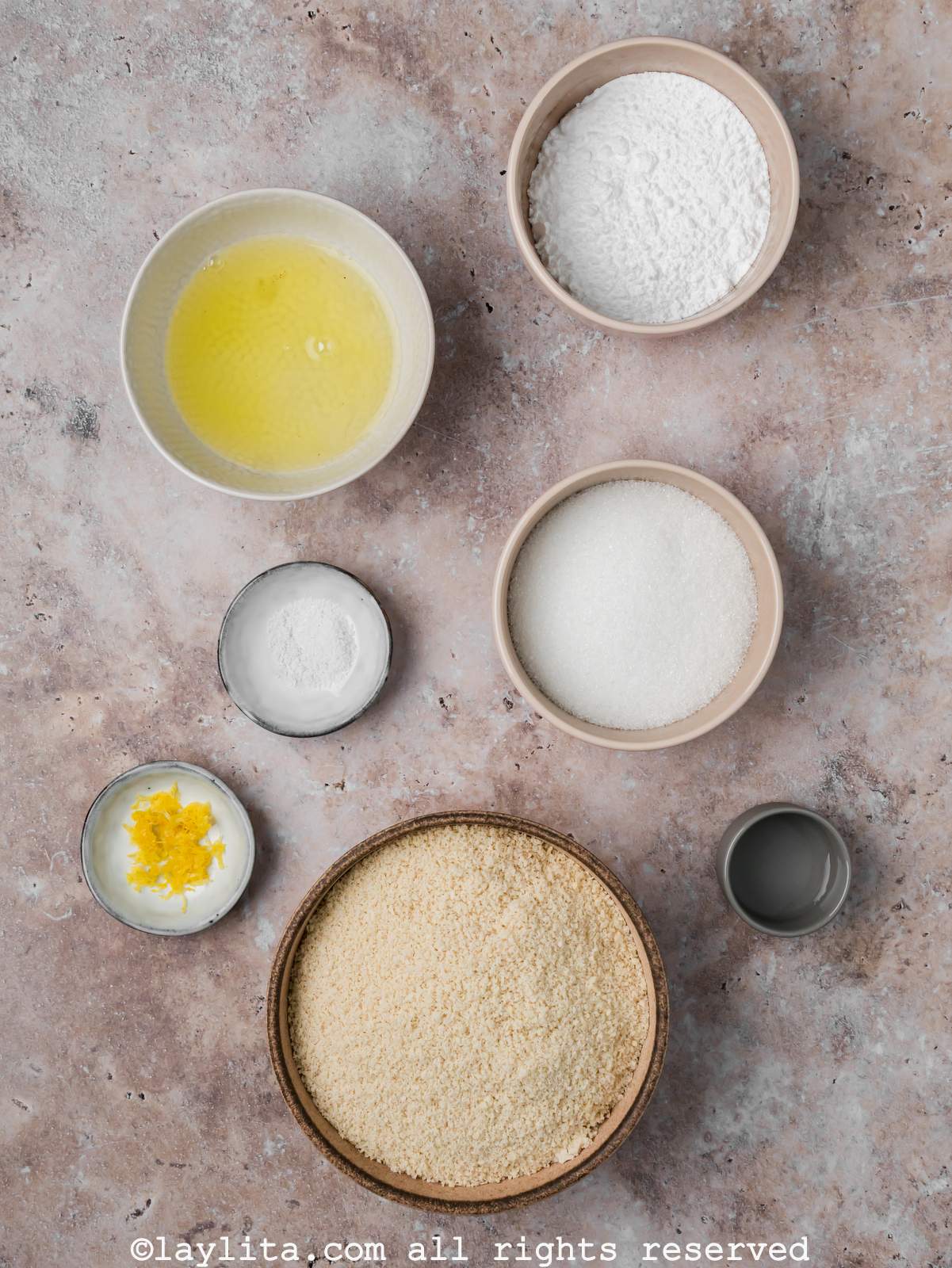
- Blanched almond flour: Look for finely ground, blanched almond flour. Almond meal or unblanched almond flour will make darker, speckled cookies with a coarser texture. It will work, but I prefer the blanched almond flour.
- Granulated sugar: Sweetens the dough and helps create that chewy center and crackly top.
- Salt: Just a pinch balances the sweetness and makes the almond flavor pop.
- Lemon zest: Adds a fresh, bright note. Zest only the yellow part, since the white pith underneath is bitter.
- Egg whites: These hold the dough together and give the cookies lift. Room temperature whites whip up faster and fuller than cold ones.
- Almond extract: This is where most of that classic amaretti flavor comes from. Use pure almond extract if you can find it.
- Powdered sugar: For rolling the cookies before baking. It creates the snowy coating and shows off the cracks as they bake.
Variations & Substitutions
- Orange zest: Swap the lemon zest for orange zest for a warmer, more festive citrus flavor.
- Amaretto liqueur: Replace half of the almond extract with 1 to 2 teaspoons of amaretto for an extra boozy almond kick.
- Top with an almond: Press a whole almond or a few sliced almonds onto each ball after rolling in sugar.
- Chocolate dipped: Dip the cooled cookie bottoms in melted dark chocolate and let them set on parchment.
- Dietary notes: This recipe is naturally gluten-free and dairy-free. If baking for someone with celiac disease, double-check that your almond flour is processed in a gluten-free facility.
Tips for making the best Almond Amaretti Cookies
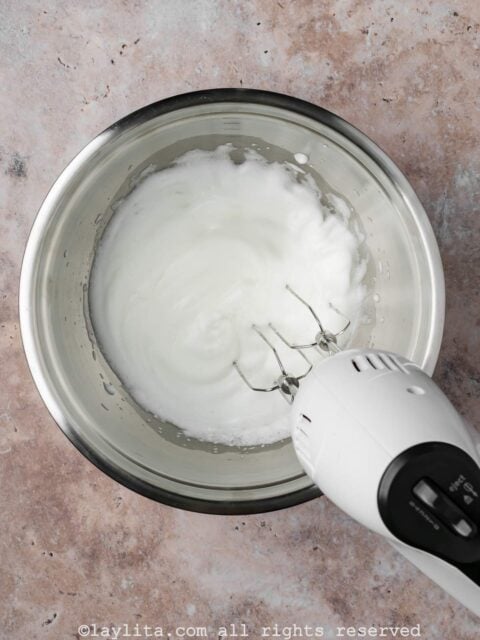
- Whip the egg whites to stiff peaks. When you lift the beaters, the peaks should stand straight up without flopping over. Well-whipped whites give the cookies a light, tender texture and help them hold their shape.
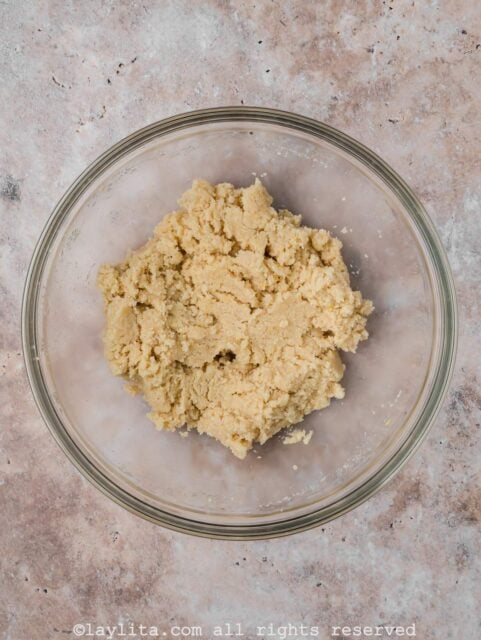
- Fold gently and check the dough. Fold the whites into the almond mixture just until combined, so you don’t knock out all the air. The dough should be soft and sticky but firm enough to hold a ball shape; add almond flour 1 tablespoon at a time if it’s too wet, or a little beaten egg white if it’s crumbly.
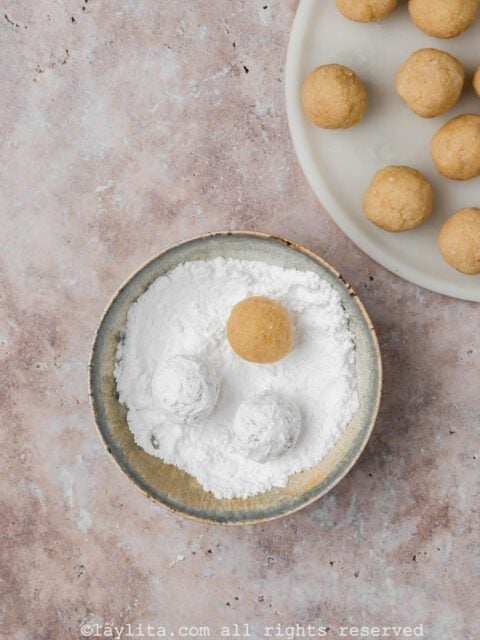
- Be generous with the powdered sugar. A thick coating is what gives amaretti their signature crackled look as the cookies spread and puff in the oven. Roll each ball until it’s completely covered, with no dough peeking through.
- Don’t overbake them. Pull the cookies when the tops are crackled and the bottoms are just turning pale golden, even if the centers still feel slightly soft. They’ll continue to firm up as they cool, and overbaking will turn them dry and crunchy instead of chewy.
Serving Suggestions
This Amaretti cookies recipe is made for coffee time, so serve them with a shot of espresso, a cappuccino or a glass of dessert wine for a true Italian-style treat.
For a holiday cookie platter, pair them with Brazilian brigadeiros for a mix of textures and flavors. They’re also lovely crumbled over a creamy Panna cotta or a scoop of Coconut ice cream for a little almond crunch.

Storage Suggestions
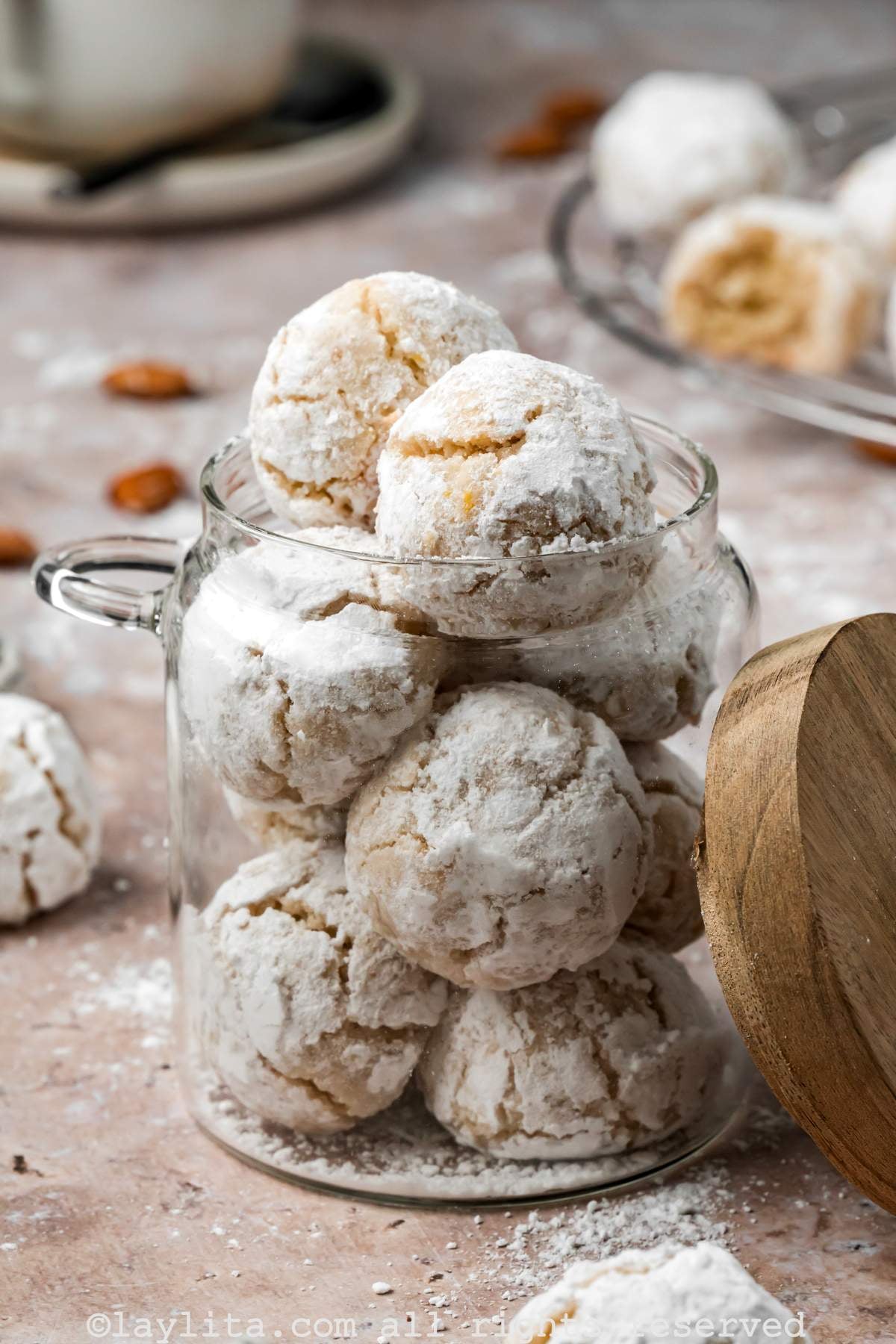
- Room temperature: Store cooled amaretti in an airtight container for up to 1 week. They’ll stay soft and chewy, and the flavor actually gets better after a day or two.
- Freezer: Freeze baked cookies in a single layer until firm, then transfer to a freezer bag or container for up to 3 months. Thaw at room temperature and dust with a little extra powdered sugar before serving if needed.
- Make ahead: You can freeze the dough balls (before rolling them in powdered sugar) for up to 1 month. Thaw in the fridge, roll in powdered sugar, and bake as directed.
Frequently Asked Questions
Are amaretti cookies gluten-free?
Yes, these amaretti are naturally gluten-free because they’re made with almond flour instead of wheat flour. Just make sure your almond flour and almond extract are certified gluten-free if you’re baking for someone with celiac disease.
Why didn’t my amaretti crack on top?
Cracks usually don’t form when the powdered sugar coating is too thin, or the dough is too wet. Roll each ball thoroughly in powdered sugar, and add a little more almond flour if the dough feels very loose.
Why did my amaretti cookies spread too much?
This usually means the egg whites weren’t beaten to stiff peaks or the dough was overmixed, which deflates the whites. Fold gently, and if the dough is too soft to hold its shape, add a tablespoon of almond flour at a time.
Italian Amaretti Cookies
Ingredients
- 2 1/2 cups finely ground blanched almond flour 240 grams
- 3/4 cup granulated sugar 150 grams
- 1/4 teaspoon salt
- 1 teaspoon finely grated lemon zest
- 3 large egg whites room temperature
- 1 teaspoon almond extract
- 1/2 cup powdered sugar, for rolling 60 grams
Instructions
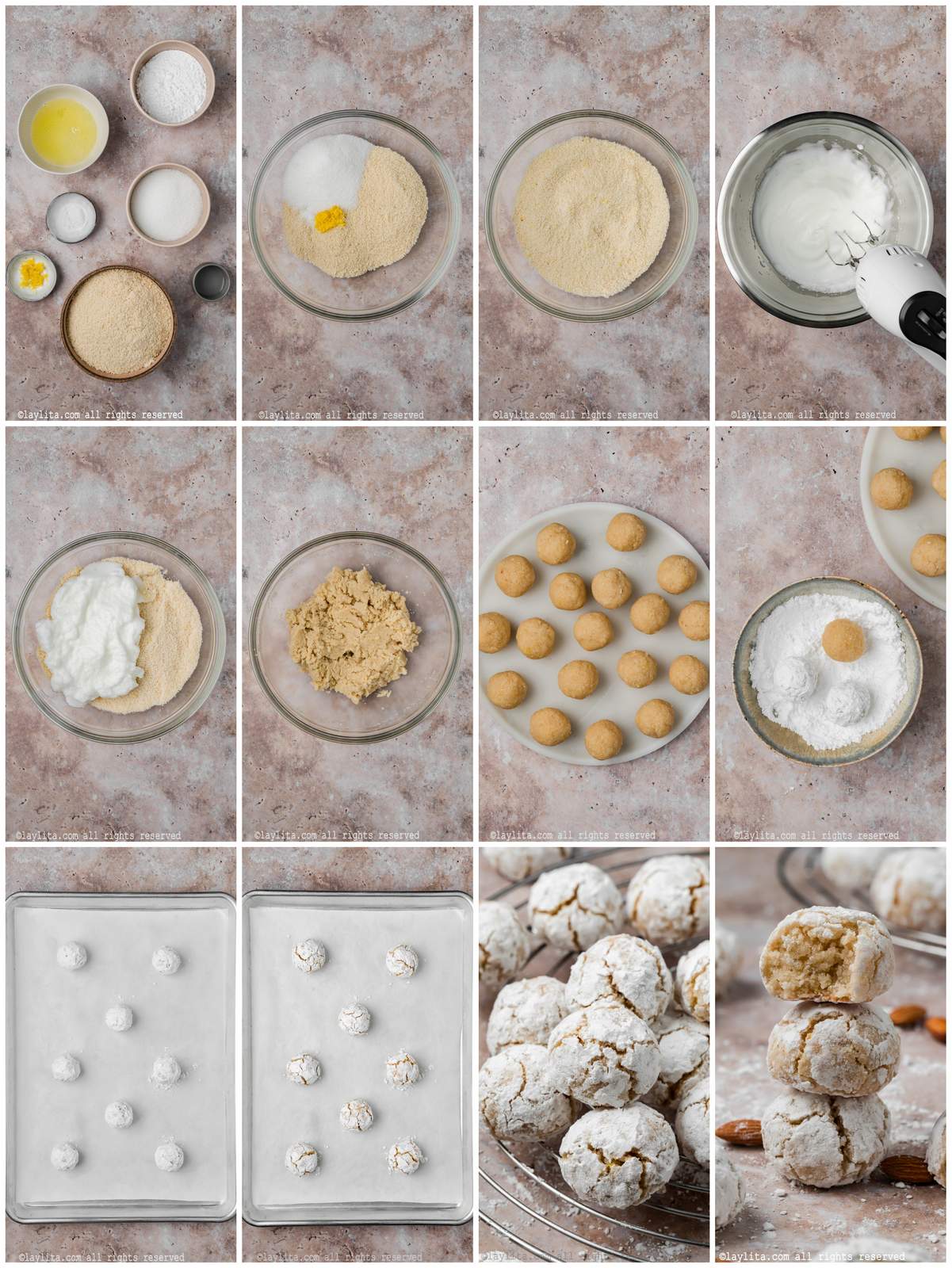
- Preheat the oven to 325°F (160°C). Line two baking sheets with parchment paper.
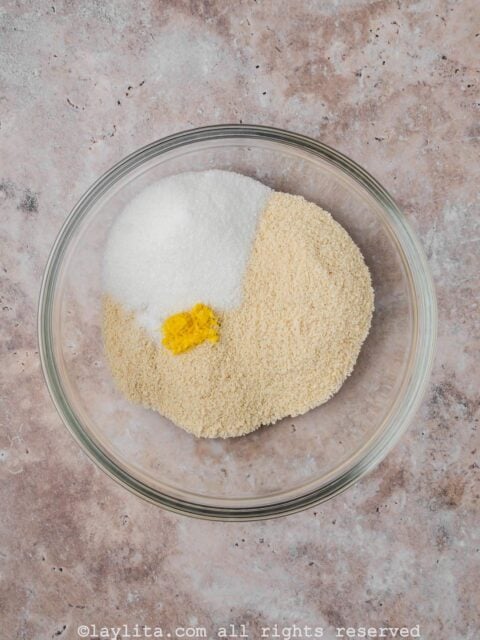
- In a large bowl, whisk together the almond flour, granulated sugar, salt, and lemon zest. Break up any lumps in the almond flour.

- In a separate bowl, beat the egg whites with an electric mixer until stiff peaks form.
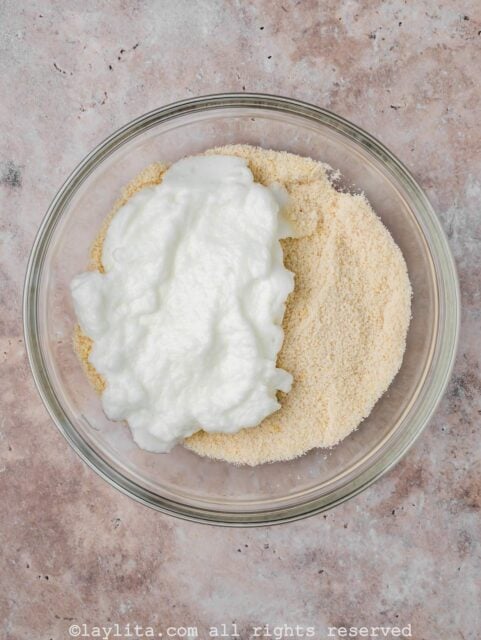
- Add them to the almond flour mixture along with the almond extract.

- Gently fold until everything is combined and you get a thick, sticky dough.
- Place the powdered sugar in a shallow bowl.
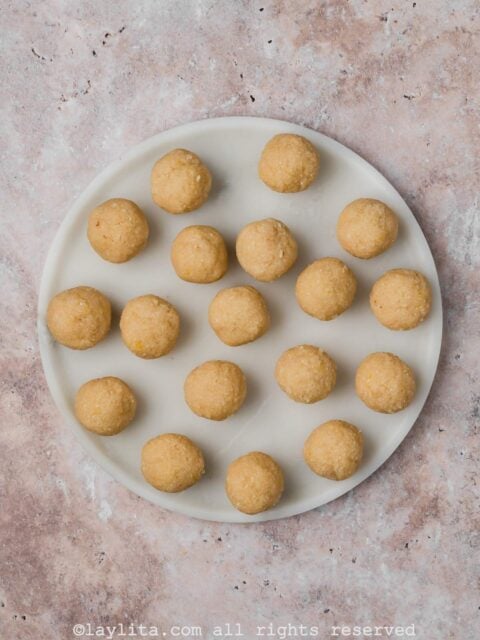
- Scoop the dough into about 1 ½ tablespoon (1-ounce) portions and roll into balls. If the dough is too sticky, wet your hands with a little water.
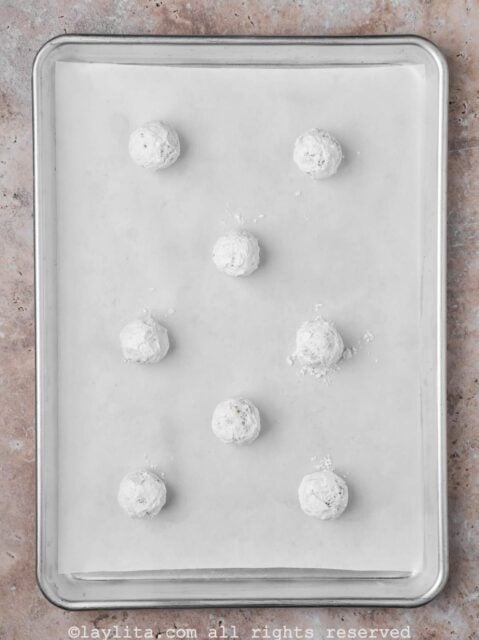
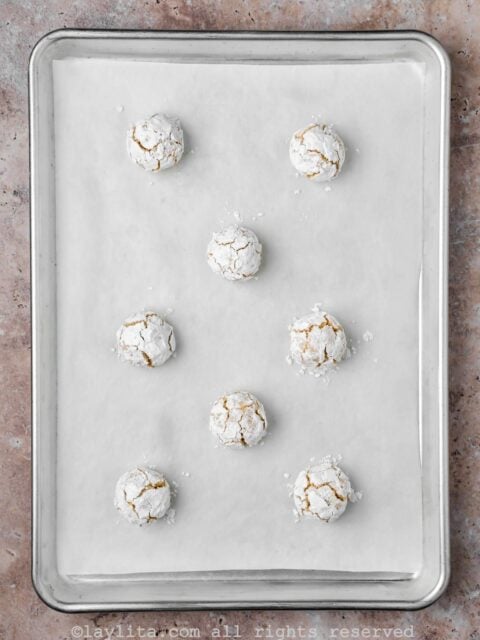
- Roll each ball in powdered sugar and arrange on the prepared baking sheets about 2 inches apart.
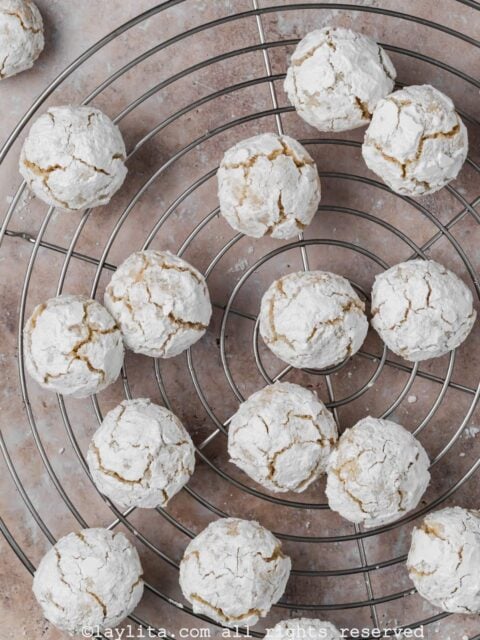
- Bake for 16-18 minutes, until the tops are crackled and the bottoms are just beginning to turn pale golden.

- The baked cookies should remain light in color and still feel slightly soft in the center.
- Let cool on the baking sheets for 5-10 minutes before transferring to a wire rack to cool completely.
Notes
- Blanched almond flour is recommended for this recipe. Using almond meal or unblanched almond flour will result in darker, speckled cookies.
- The dough should be soft and sticky but firm enough to hold its shape. If it’s too wet, add a little more almond flour, 1 tablespoon at a time. If the dough is too dry or crumbly, add a small amount of beaten egg white.
- Coat the cookies well in powdered sugar to highlight the cracks as they bake.
- Don’t overbake. The cookies will continue to firm up as they cool, so the centers should still feel slightly soft when you take them out of the oven.
Photos of the step by step preparation process for Italian Amaretti Cookies:
More Desserts to Try




Discover more from Laylita's Recipes
Subscribe to get the latest posts sent to your email.