Paraguayan Chipa (Cheese Bread)


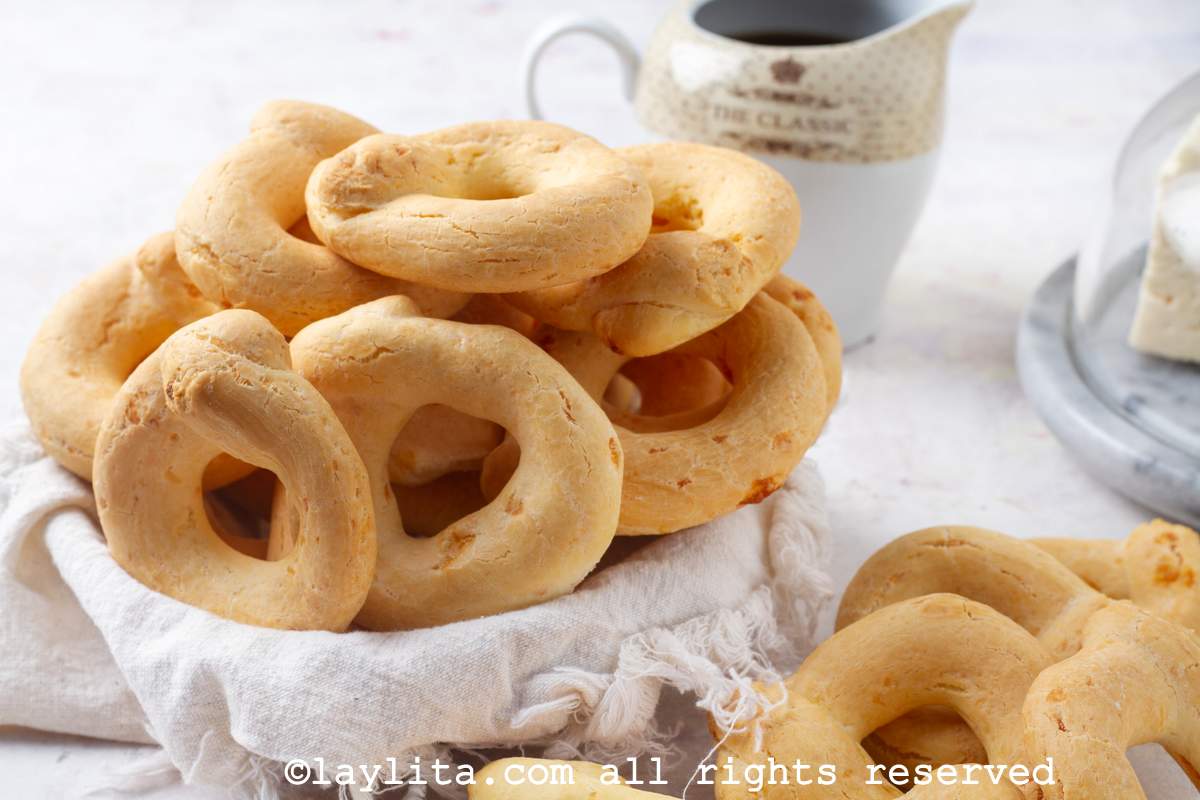
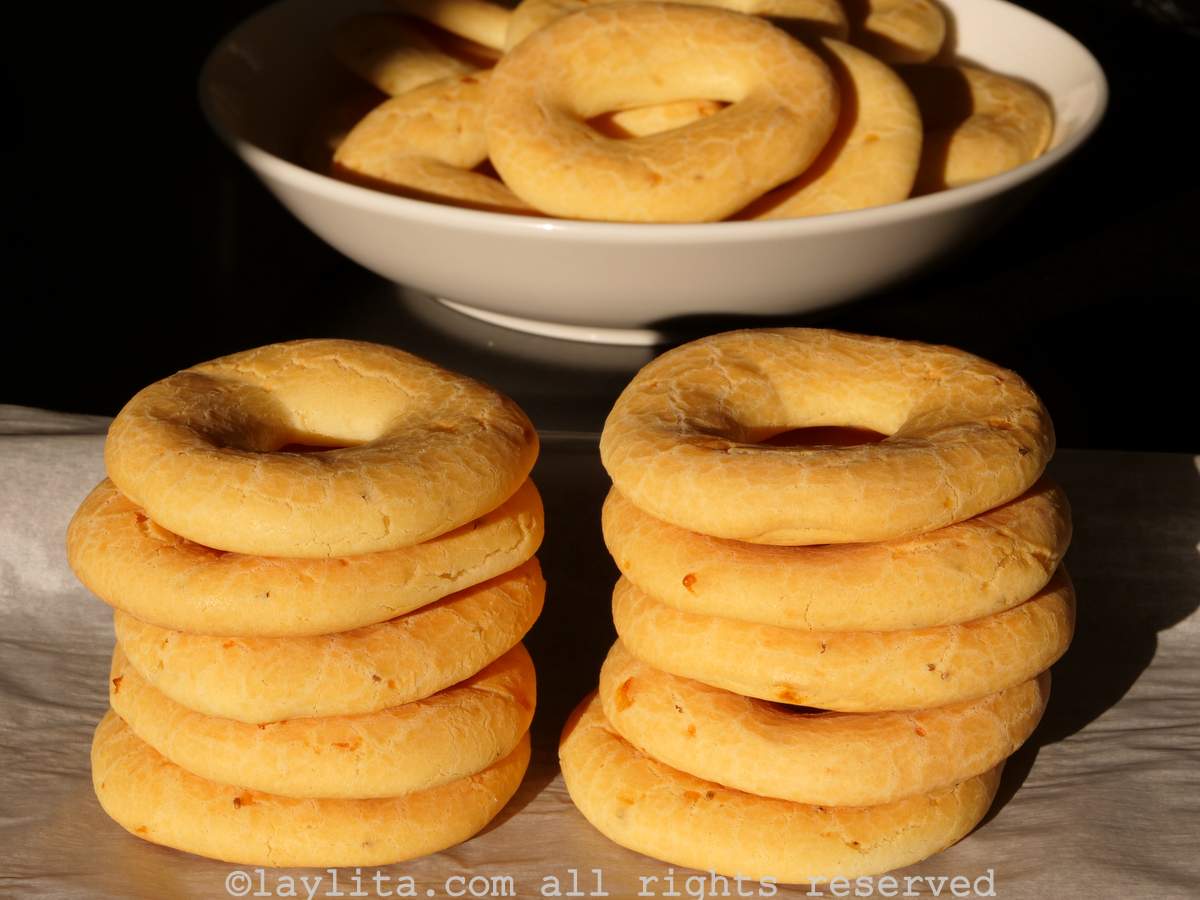
Chipa is a beloved Paraguayan cheese bread known for its chewy texture, golden exterior, and naturally gluten free ingredients. These small ring-shaped breads are simple to make yet incredibly satisfying, especially when served warm with coffee. This version keeps the classic flavor and texture while staying easy and approachable for home bakers!

What is chipa?
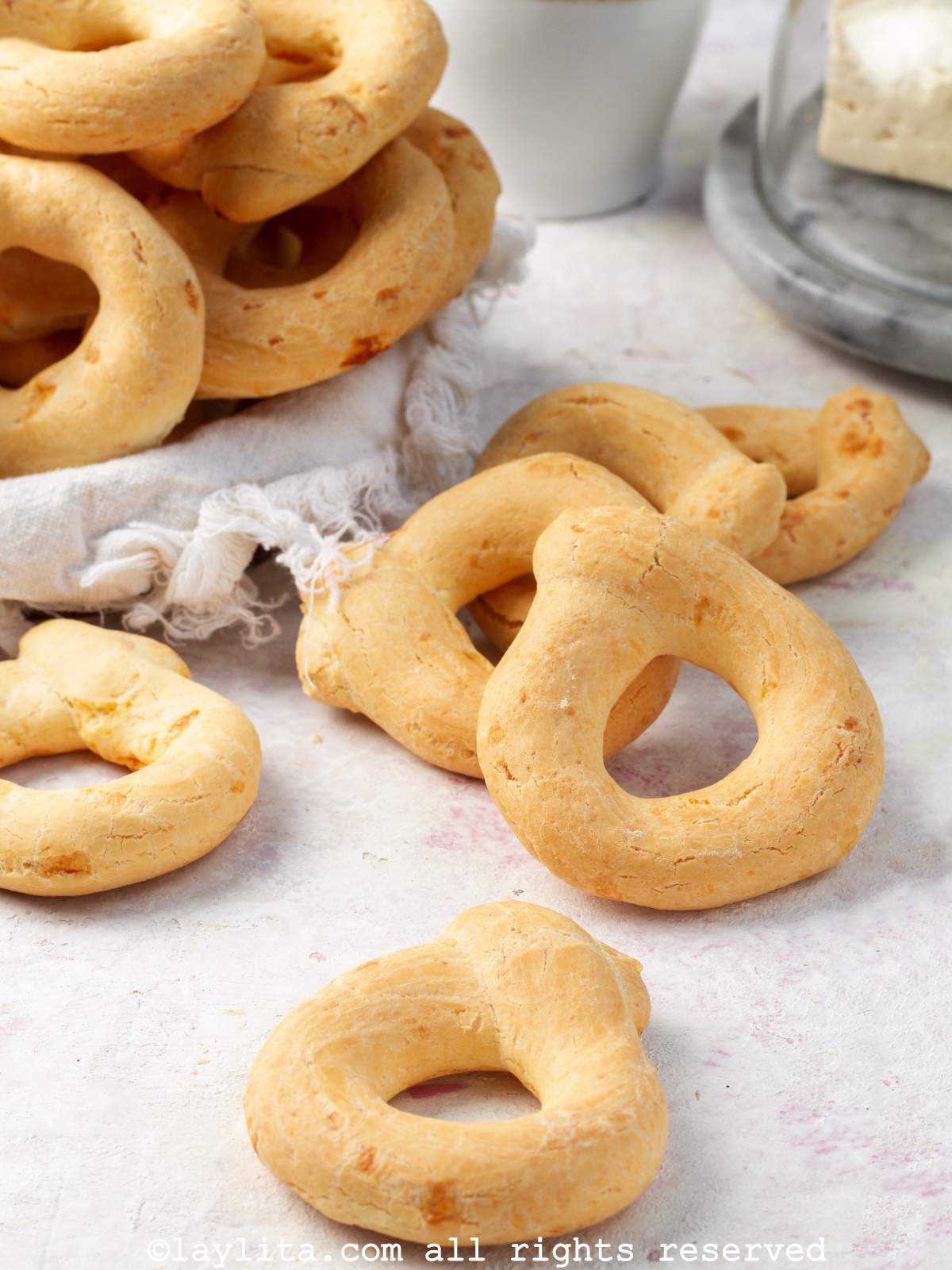
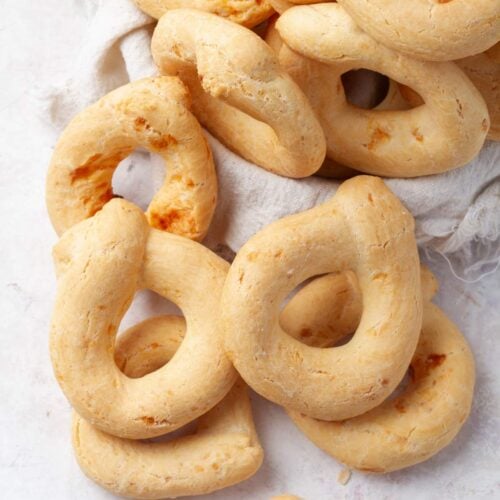
Chipa is a beloved Paraguayan cheese bread traditionally shaped into small rings called rosquitas. Made with cassava (tapioca) starch, cheese, eggs, and a touch of fat, it bakes up with a signature chewy, airy texture similar to Brazilian pão de queijo, Bolivian cuñape, or Ecuadorian pan de yuca, but with its own distinct flavor and shape.
Chipa is sold everywhere in Paraguay, from bakeries to roadside stands, especially around Easter, but it’s enjoyed year-round as a go-to snack with coffee or cocido.
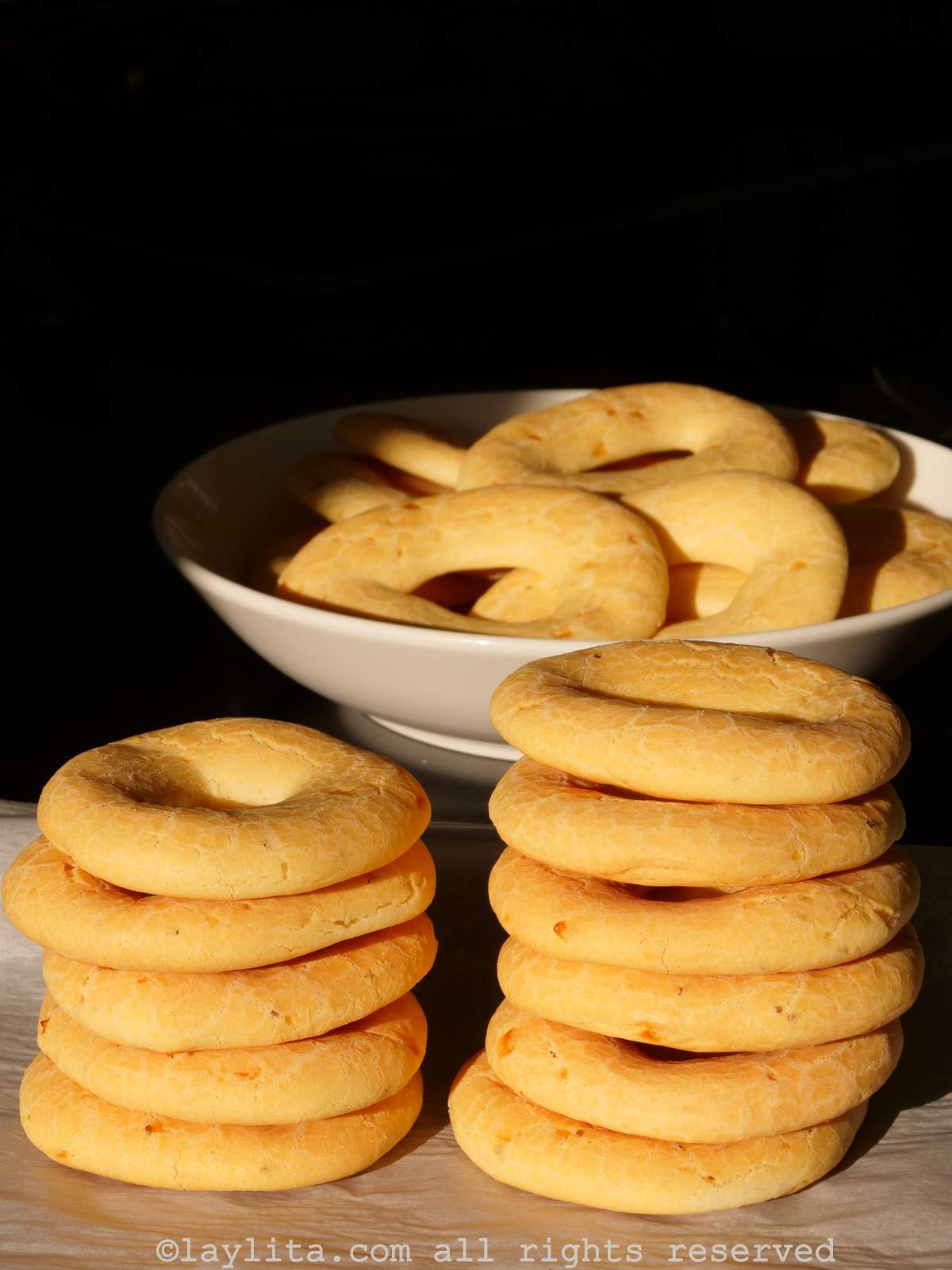
There is also a variation of Argentinean chipa style cheese bread that are shaped like round balls, that recipe is much more similar to my pan de yuca recipe.
Ingredient Notes
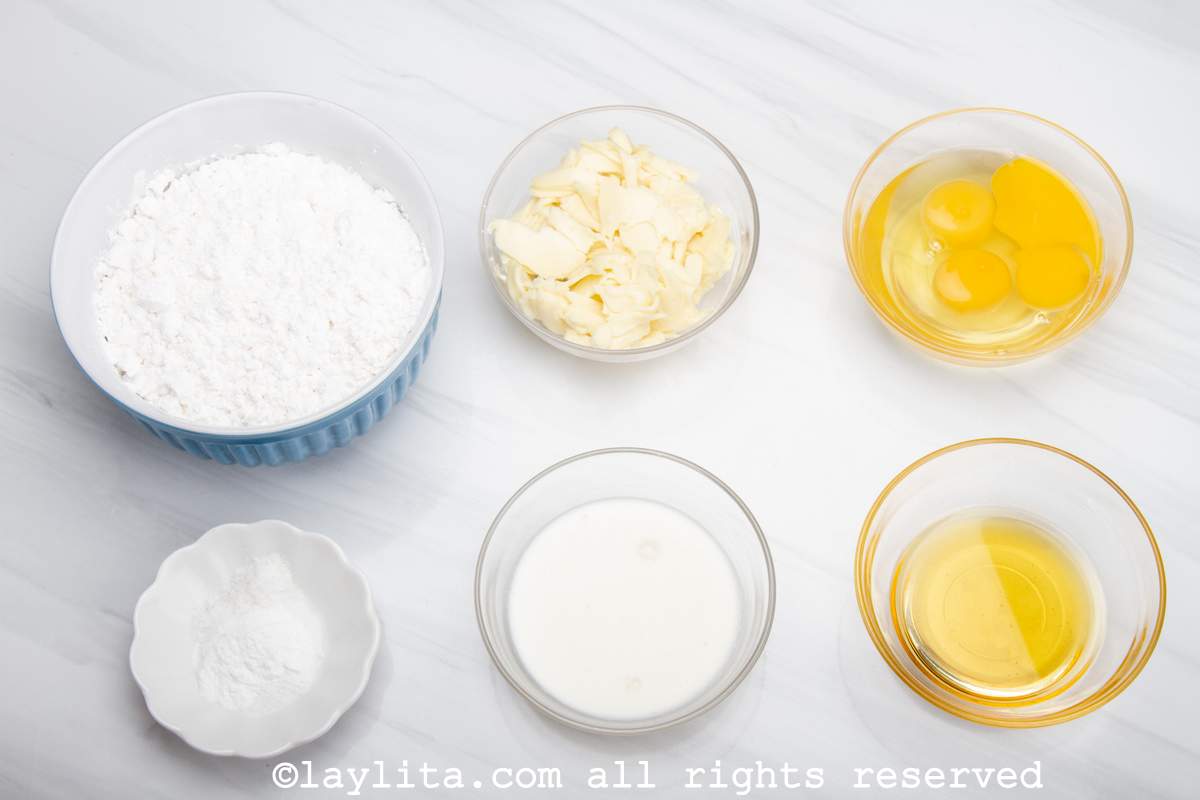
- Cassava or Tapioca Starch: This is the base of chipa and what gives it its chewy, stretchy texture. You can use 100% tapioca starch or a blend of 300 g tapioca starch + 100 g corn flour for a slightly firmer, more rustic result. Make sure you use tapioca starch (a.k.a. tapioca flour), not cassava flour.
- Mozzarella Cheese: Freshly grated mozzarella melts beautifully and gives chipa its signature cheesiness. Feel free to swap part of it for another melting, fresh cheese like Monterey Jack or a mild queso fresco for extra flavor.
- Eggs: They help bind the dough and add richness. Room-temperature eggs mix more evenly.
- Oil: Use any neutral oil. You can also substitute melted butter or lard for a richer, more traditional flavor.
- Whole Milk: Adds moisture and helps bring the dough together. Start with the listed amount and add more only if the dough feels too dry.
- Baking Powder: Gives a tiny bit of lift so the chipa dough isn’t too dense.
- Salt: Just a pinch balances all the cheese and brings out the flavor.
- Anise Seeds: A classic ingredient in many traditional chipas. They add a subtle warm, aromatic note. If you’re not a fan of anise, feel free to omit.
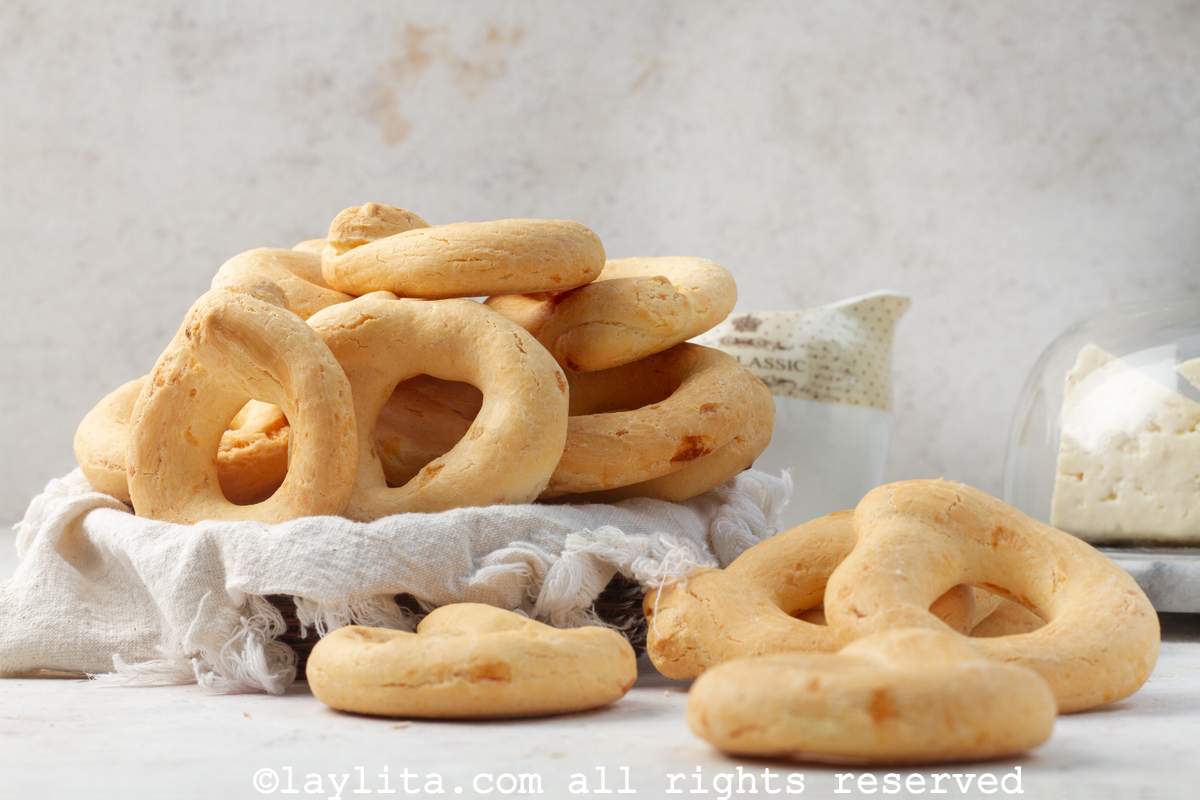
Tips for the Best Paraguayan Chipa
- Grate your own cheese for the best texture. Pre-shredded cheese contains anti-caking agents that can make the dough dry and crumbly. Freshly grated mozzarella blends more easily and melts better.
- Adjust the milk gradually. Depending on your starch brand and climate, the dough may need a splash of more milk. Add it one tablespoon at a time. The dough should feel pliable, soft, and slightly sticky but still easy to shape.
- Don’t overwork the dough. Mixing just until everything comes together keeps the texture tender and helps the chipa puff up nicely. Over-kneading can make the rings tough.
- Shape evenly for consistent baking. Portioning the dough to 45–50 g and keeping the rings the same length and thickness ensures every chipa bakes at the same rate and browns evenly.
- Bake until just golden. Overbaking can dry them out quickly. Pull them from the oven as soon as the bottoms are lightly browned and the tops feel set.
How to Serve Chipa
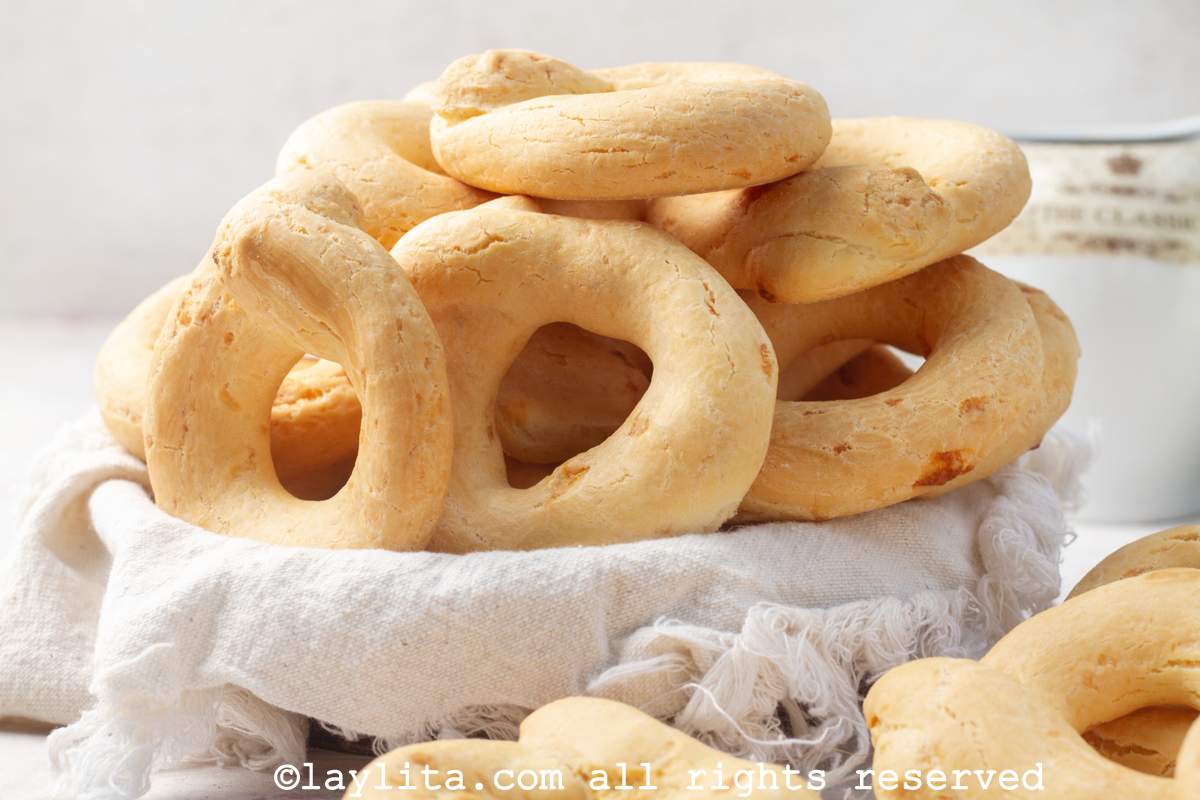
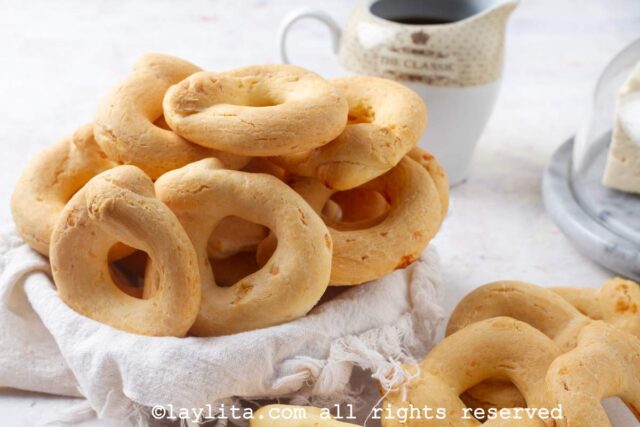
Chipa is best enjoyed warm, fresh from the oven when the outside is lightly crisp and the inside is chewy and aromatic. Pair it with coffee, cocido, hot chocolate, or even a simple glass of cold milk. It also makes a great savory snack alongside soups or stews. If you’re serving a crowd, keep a basket lined with a clean towel to help the chipas stay warm and soft for longer.
Frequently Asked Questions
Can I freeze chipa?
Absolutely. Freeze the shaped raw dough on a tray, then transfer to a freezer bag. Bake from frozen, adding 3–5 extra minutes.
Why is my dough too dry or crumbly?
Different tapioca starch brands absorb liquid differently. Add more milk 1 tablespoon at a time until the dough becomes soft and pliable.
Can I skip the anise seeds?
Yes! Anise is traditional, but totally optional. Your chipa will still be delicious without it.
Does Paraguayan chipa taste like Brazilian pão de queijo?
They’re similar since both use tapioca starch and cheese, but chipa is usually firmer, less stretchy, and shaped into rings. The flavor is also slightly different, especially if you include anise.
Paraguayan Chipa (Cheese Bread)
Ingredients
- 4 cups cassava or tapioca starch 400 g – you can also use a mix of tapioca starch and corn flour (for that variation use 300 grams of tapioca starch and 100 grams of corn flour)
- 2 1/2 cups grated mozzarella cheese 300 g
- 3 large eggs
- 1/4 cup oil 60 ml – you can also use 1/4 cup butter or lard instead of oil
- 1/2 cup whole milk 120 ml, add more as needed
- 1 teaspoon baking powder
- 1 pinch of salt
- 1/2 teaspoon anise seeds – optional omit if you don’t like the flavor of anise
Instructions
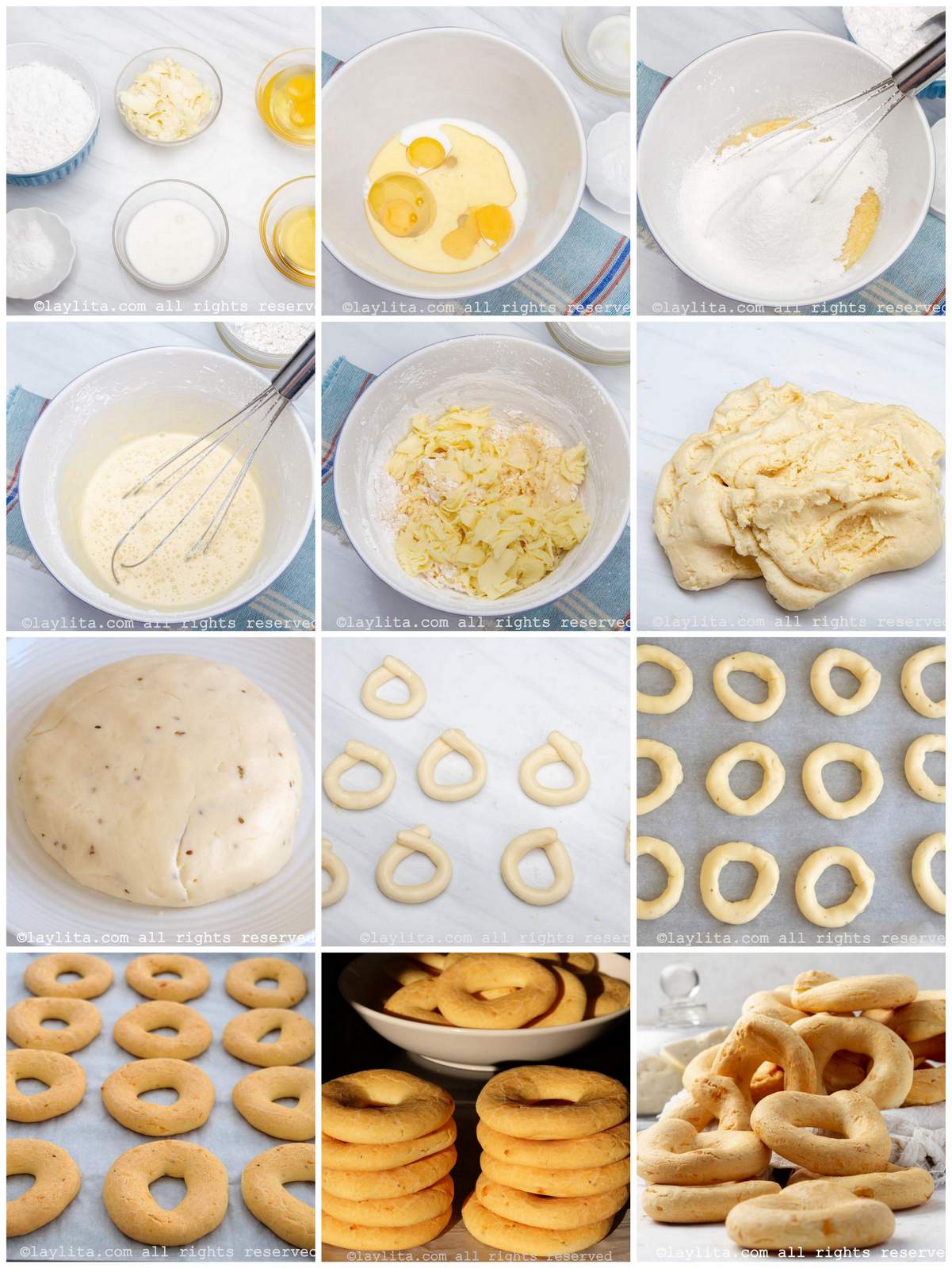
- Preheat the oven to 200°C/400°F. Prepare a baking sheet by lining it with parchment paper.
- In a large bowl, add the eggs, oil (or melted butter), and milk. Whisk until smooth.

- Add half of the tapioca starch to the mixture, along with the baking powder.
- Whisk again until you have a smooth batter.
- Add the remaining tapioca starch, the grated mozzarella cheese, salt, and anise seeds (if using).
- With your hands, mix all the ingredients until the dough is pliable. If the dough seems too dry, you can add a little more milk.
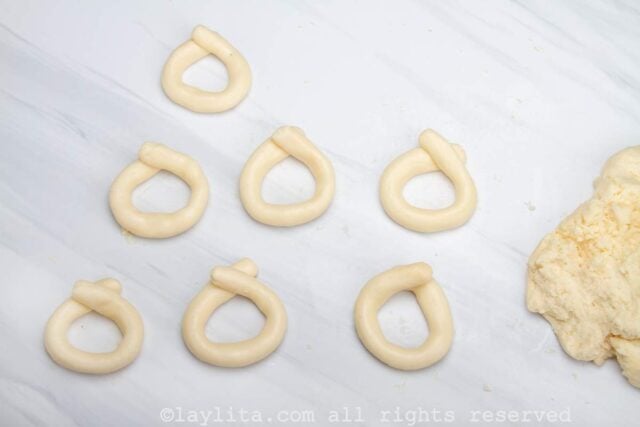
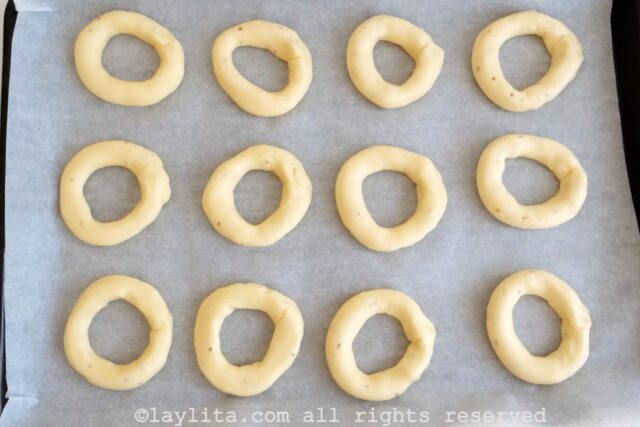
- Divide the dough into several equal portions, each weighing 45-50 grams. Roll the portions of dough long cylindrical strips (approximately 10 cm long); then join the ends to make thin round ring-like shapes (rosquitas). These rosquitas can be round or oval shaped.
- Place them on the prepared baking sheet, leaving about two centimeters between them.
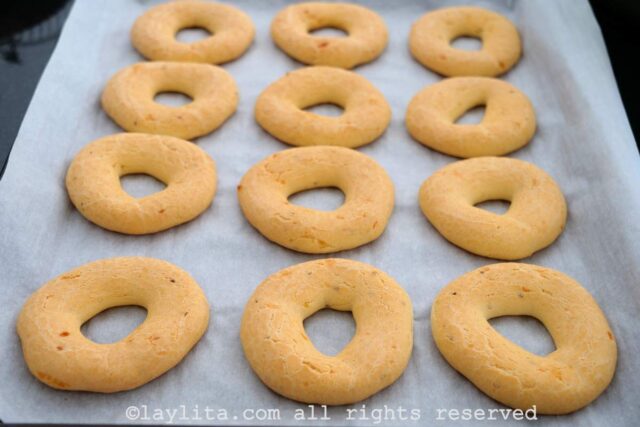
- Bake for 15 to 20 minutes, or until golden brown, depending on your oven. Remove them from the oven immediately.
- They can be served warm or at room temperature with a cup of coffee.
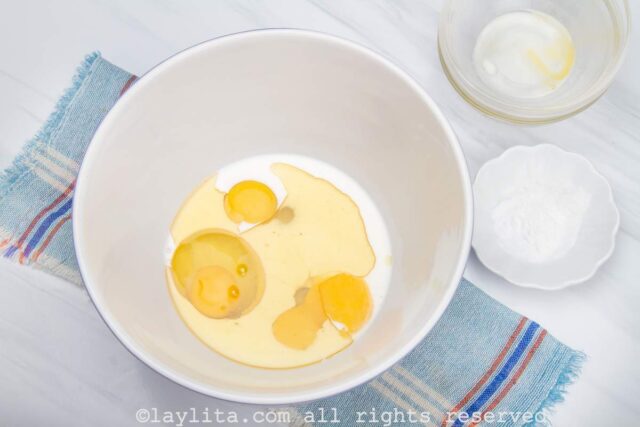
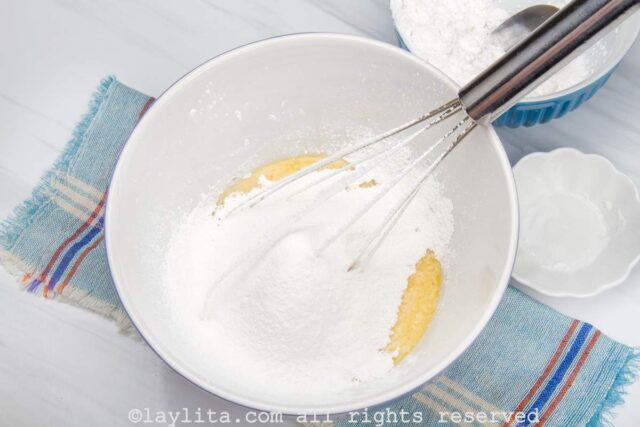
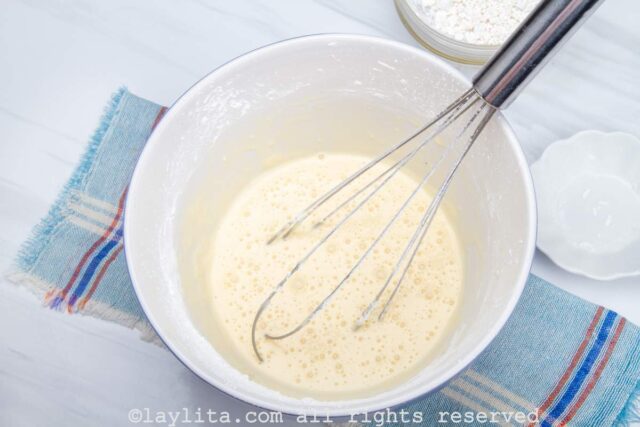
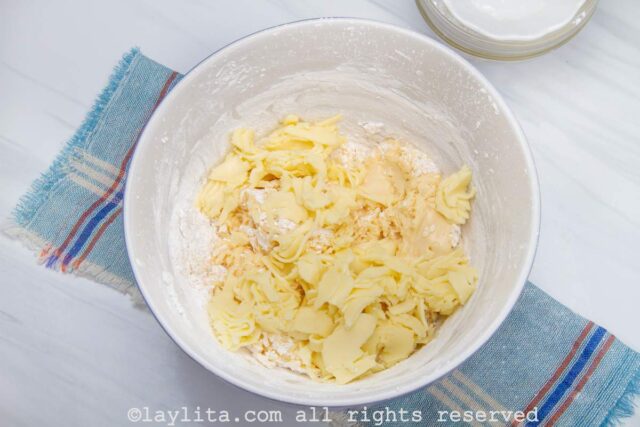
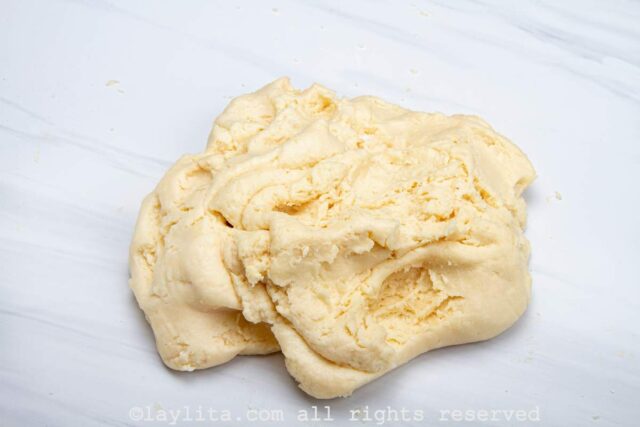
Step by step preparation photos for Chipa o Paraguayan Cheese Bread:
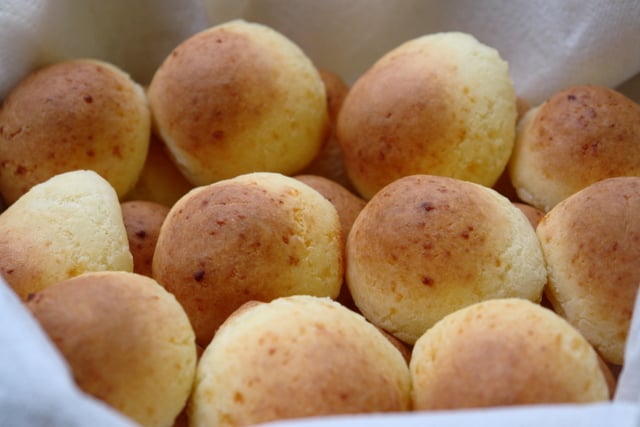
More Recipes to Try


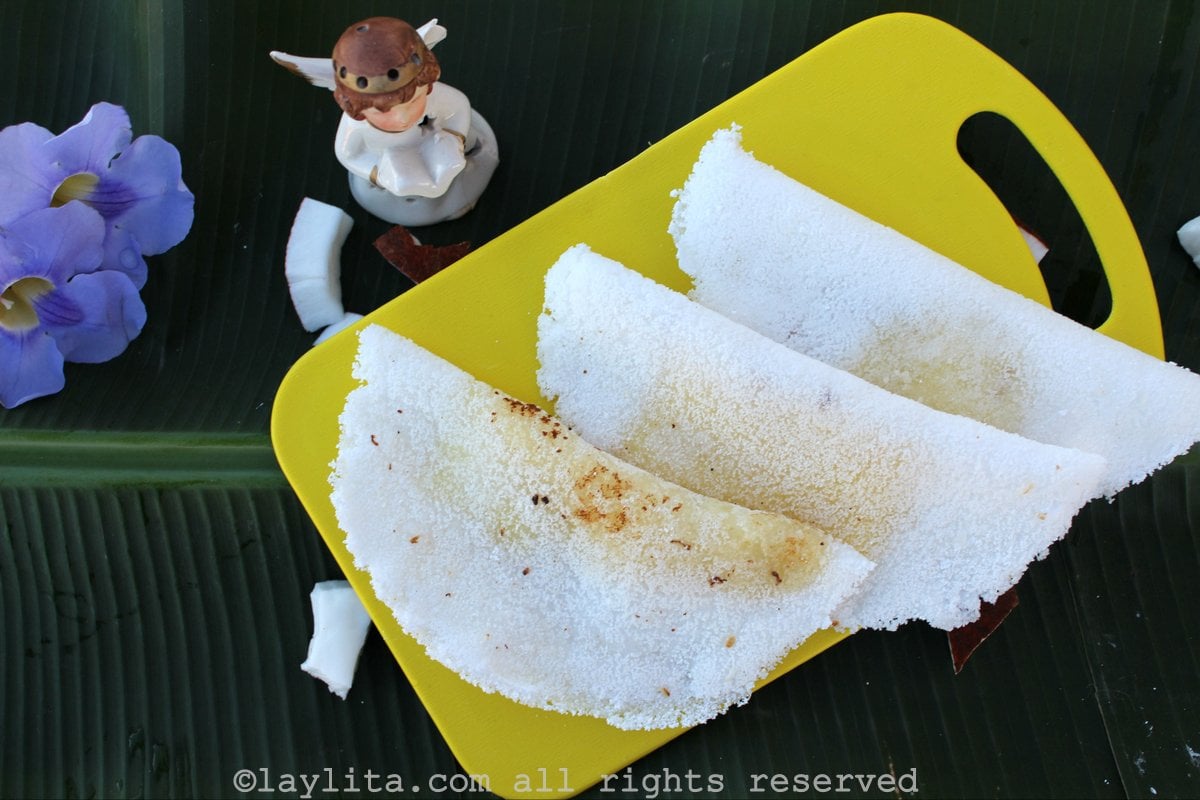
with tapioca starch and can be filled with grated coconut, butter, cheese, or
condensed milk.



Discover more from Laylita's Recipes
Subscribe to get the latest posts sent to your email.