Ecuadorian Tuna Fish Fanesca for Lent and Easter (Fanesca de Atún)

This tuna fish fanesca recipe, called fanesca de atún in Spanish, is a twist on the traditional Ecuadorian Lenten or Easter soup dish, that uses easy to find ingredients. It is made with canned tuna fish, zucchini squash, a mix of beans including white beans, red beans or pinto beans, corn, green beans, peas, onions, garlic, seasonings/spices, peanuts, milk, cream, and cheese.

Traditional Ecuadorian fanesca is a thick soup or stew that is prepared during Lent and Easter. It is made with desalted salt cod fish, a variety of fresh and cooked from scratch vegetables, beans and grains, milk/cream, peanut butter, cheese. Some of the ingredients can be hard to find, especially if you don’t live in Ecuador. In addition, the original recipe uses a lot more ingredients and usually results in a very large quantity of fanesca, which is great if you are preparing it for a big group.
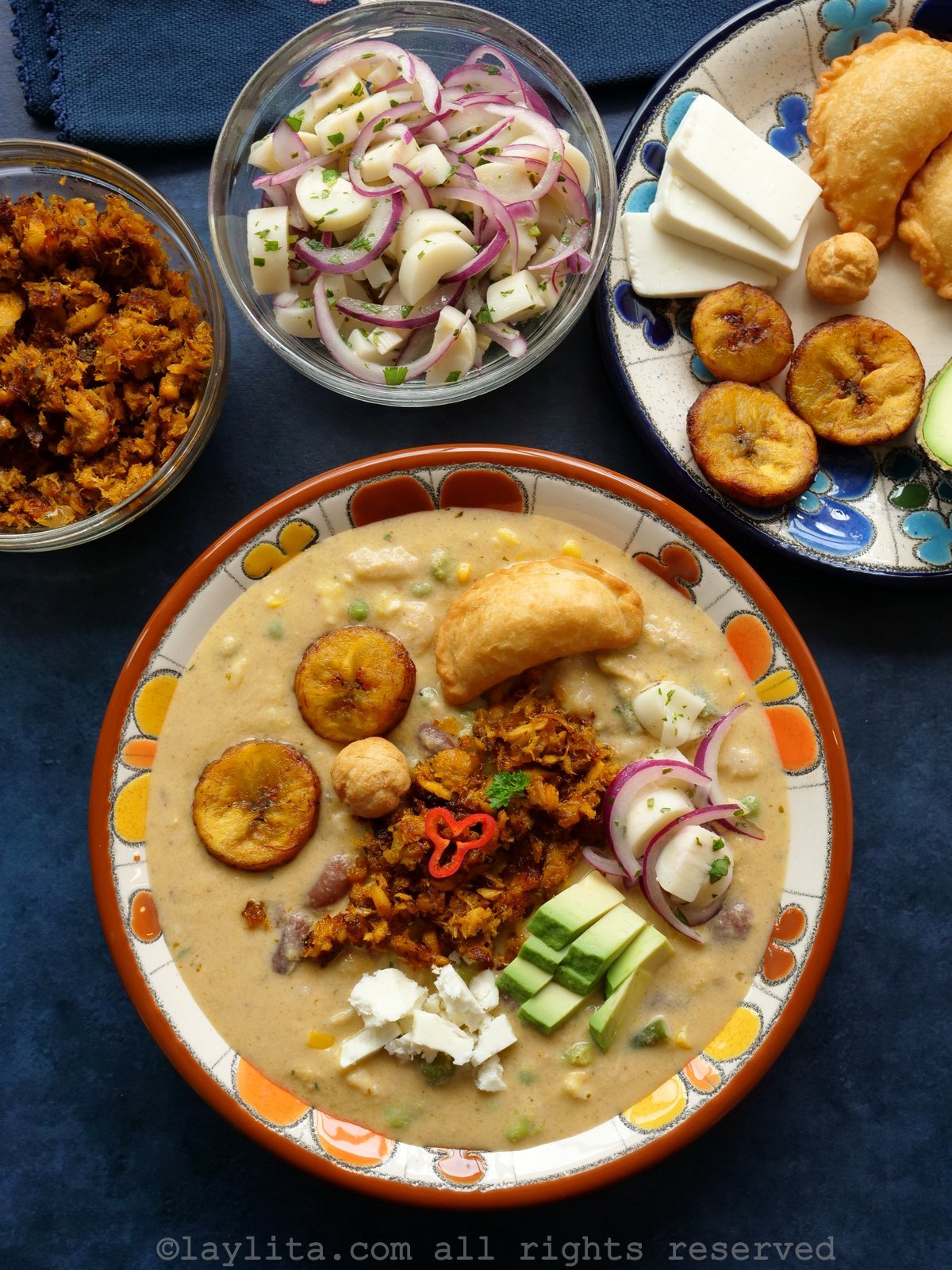
The first time I made this easy fanesca with tuna fish was a few years ago when I had an Easter get together with a couple of my Ecuadorian high school friends and their families. We were in the French Alps and finding the ingredients at small French grocery stores was quite the challenge. But we managed to find a selection of canned and frozen beans, peas, corn, some fresh zucchini, feta cheese instead of queso fresco, and tuna fish as the salt cod replacement. I think I had some ripe plantains at home that need to be used and I brought those with me, but all the other ingredients were purchased locally.

Easy ingredient variations and substitutions for fanesca de atún
Some of the shortcuts or easy substitutions in this fanesca variation include using canned tuna fish instead of desalted salt cod. This cuts back on the time it takes to desalt the cod and canned tuna fish is just much easier to find. Also, not everyone is a fan of salt cod and tuna fish can be a bigger crowd pleaser.

I also reduced the amount of ingredients, for example this tuna fanesca only uses zucchini or fresh squash (instead of using both zucchini and butternut squash). I also omitted the cooked rice, which is used to help thicken the dish, but it will be thick enough with the ingredients used. Other ingredients I left out are the cabbage and the chochos or lupini beans.

You can also make this version using mainly canned or frozen beans/grains. If you have access to some fresh spring ingredients like fresh peas or fava beans that also works great. If not you can use frozen ones or replace the fava beans with canned or frozen lima beans. For the spices/condiments the most challenging one to find is achiote or annatto, but you can replace it with paprika powder, preferably sweet paprika (not smoked or spicy).
Tips and advice for preparing fanesca:
- Prep the garnishes (empanadas, fried plantains, hard boiled eggs, heart of palms salad) ahead of time, you can fry the plantains and empanadas while the soup is cooking.
- If you use any fresh beans, prep and cook them ahead of time. Same if using uncooked frozen ingredients like corn, peas and fava beans. You can save any of the liquid they were cooked in to use as the broth part. This can be done the day or night before, just refrigerate them until ready to prepare the fanesca.
- Drain and rinse the canned beans/corn right before preparing the fanesca. Chop the onions and crush the garlic right before as well.
- Slice the avocado, cheese and eggs (if using) right before serving.

What to serve with tuna fish fanesca
The toppings or garnishes are a key component of serving fanesca. These can vary from one family or one place to another. Some prefer to just add a few garnishes, but I love to include as many options as possible and let each person choose their favorites. The most popular garnishes for fanesca include:

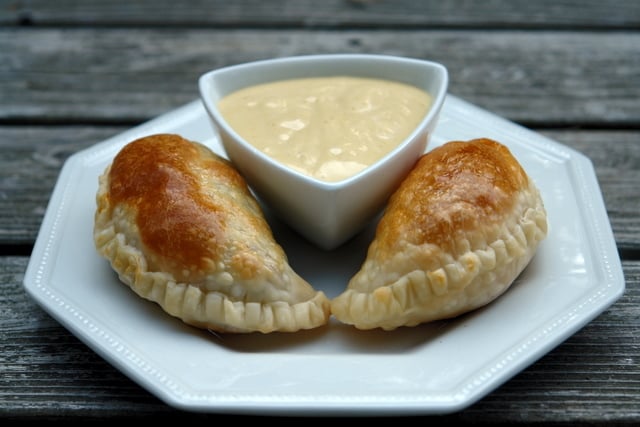
- Mini empanadas de viento: Small fried cheese empanadas are a must have garnish or side. For a shortcut, you can use store bought savory tart dough (not pie dough) or store bought empanda discs.
- Masitas: Use the little extra bits of the empanada dough to form tiny little balls of dough and fry them.
- Additional bits of crispy fish, in this case I cooked the tuna with onion refrito (sofrito) until crispy and used that as a topping
- Cheese: Extra slices, cubes or crumbled cheese, can use queso fresco or quesillo (a fresh cheese similar to fresh mozzarella). You can use feta as a replacement for the queso fresco.
- Fried ripe plantains: Another traditional garnish for this dish.
- Hard boiled eggs: This is traditional topping, but I didn’t include it in this variation. Feel free to add it if you want.
- Heart of palm and lime marinated red onion salad: In the traditional dish sometimes slices of hearts of palm are added as a garnish, for this tuna version I made a simple lime marinated or pickled salad (called curtido in Spanish) with red onions and hearts of palm. It worked so well that I will be making this to serve every time I make fanesca.

- Avocado: I’ll admit that this is a less traditional topping, but I’ve always included it and see that a lot more people are doing this now.
- Aji hot sauce or slices of hot pepper: For those who like a kick of spiciness this is a great topping option.
- Smoked salmon: This was a last-minute option that I added when we made this tuna fish fanesca with a group of friends in the Alps, and it was very good. But it’s not a traditional topping, however if you like smoked salmon and have it on hand, then give it a try.

Some other popular Easter side dishes for fanesca, usually served before or after, include the following Ecuadorian dishes:
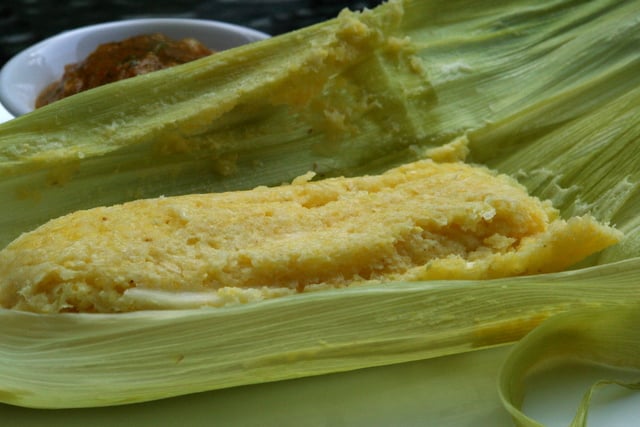
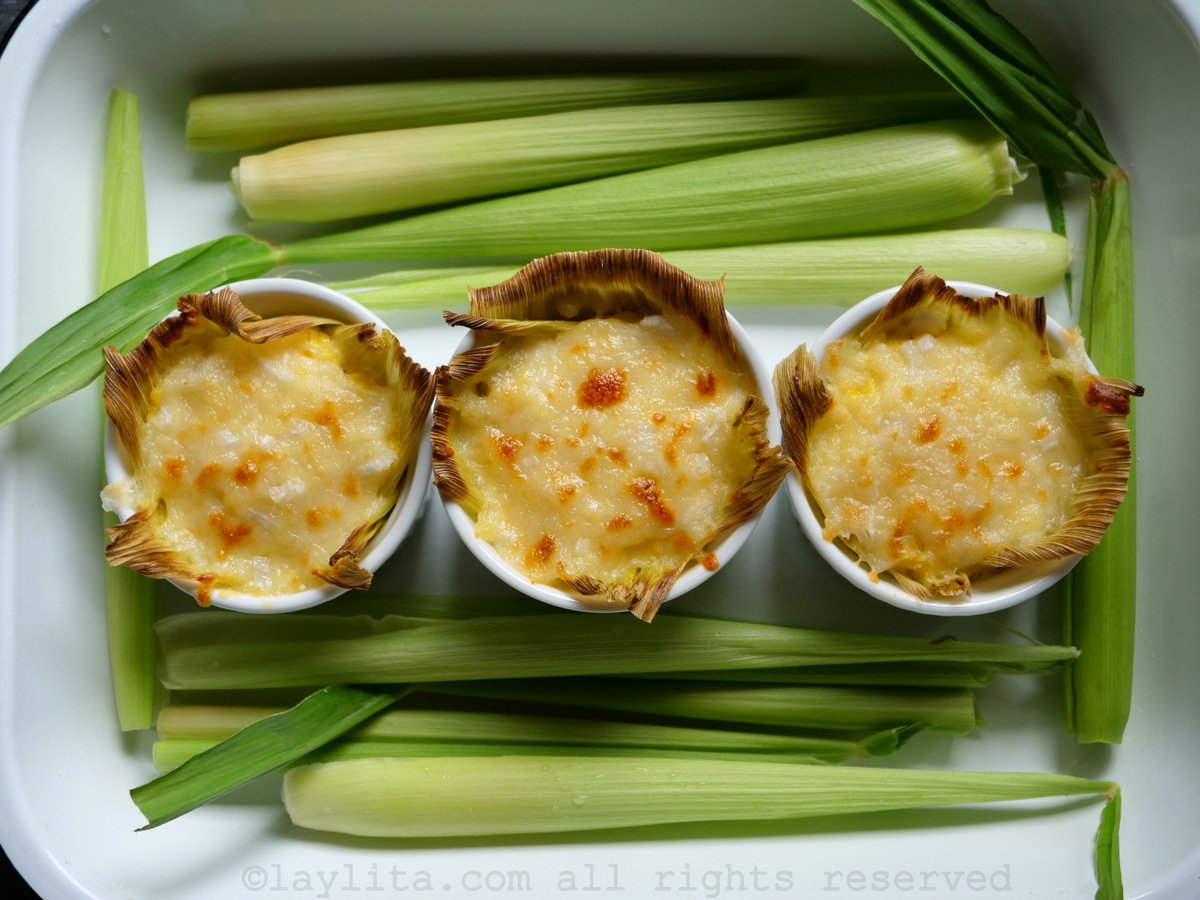
- Ecuadorian humitas: Fresh corn and cheese tamales, if fresh corn is hard to find during this time of the year you can also try this Pastel de choclo savory corn cake variation or make individual baked humita ramekins.
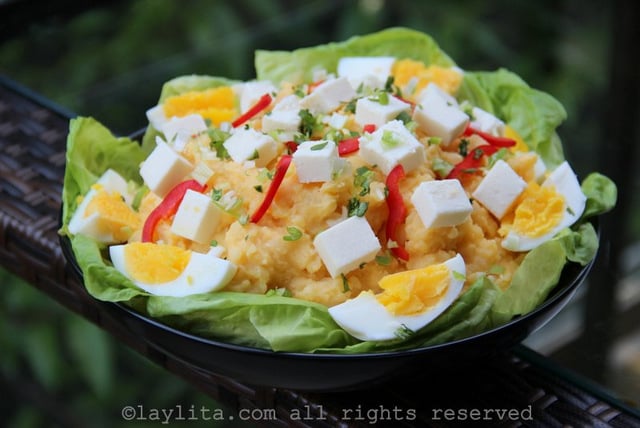
- Molo de papas: Ecuadorian style mashed potatoes made by mixing the mashed potatoes with an onion refrito. Molo is served on lettuce leaves and topped with cheese, green onions, hard boiled eggs, etc.
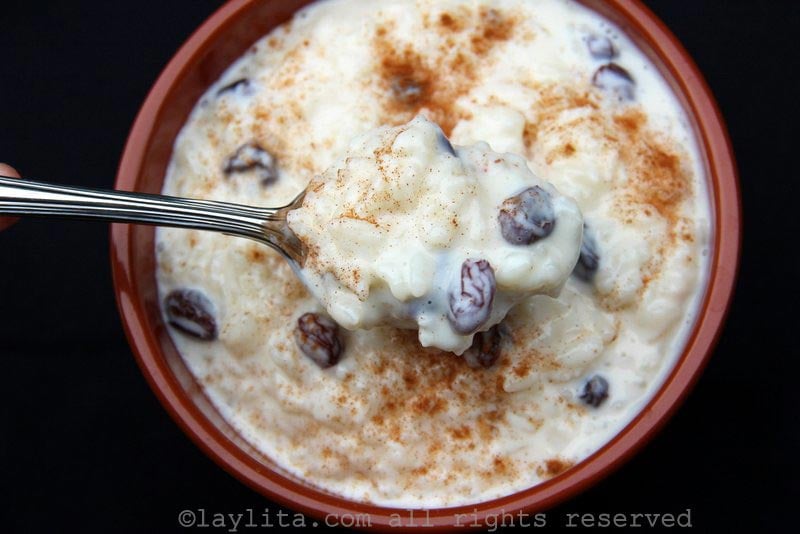
- Arroz con leche: Ecuadorian creamy rice pudding
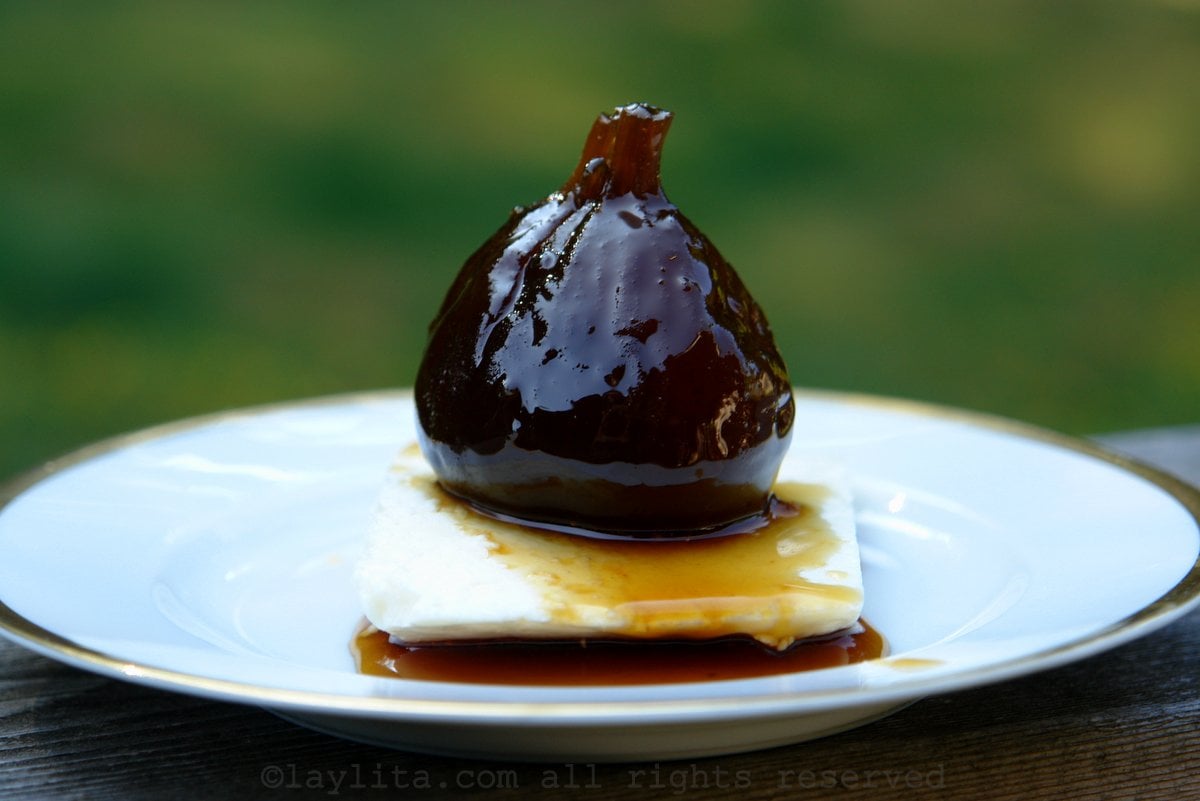
- Dulce de higos: Caramelized or candied figs in syrup of panela (piloncillo) and spices.

Storing, reheating and freezing instructions
This tuna fish fanesca tastes even better the day after it is prepared because the flavors really concentrate well. You can keep refrigerated for a few days. It’s easy to reheat, but you might need to add some extra water or milk if it’s has thickened too much. You can also freeze it if you have more than you can eat. I freeze it in soup freezer containers and try use it within 2-3 months.


Ecuadorian Tuna Fish Fanesca for Lent and Easter (Fanesca de Atún)
Ingredients
- 2 large cans of tuna fish about 500 grams, add more if desired
- 3-4 tbs of oil use oil from tuna fish can if using tuna fish in oil
- 1 tsp of achiote also called annatto powder – can replace with sweet paprika (not spicy, not smoked)
- 1 cup of diced white onion from about ½ medium white onion
- 1 cup of diced red onion from about ½ medium red onion
- 3-4 garlic cloves crushed
- 1-2 tsp of ground cumin
- 1-2 tsp of dry oregano
- ¼ to ½ tsp of ground pepper
- 800 grams of sambo or fresh squash zucchini, about 3 medium sized zucchini – peeled and diced
- 4 cups water or vegetable broth 4 cups = 1 ltr, add more if needed
- 2 ¾ cups of milk add more if needed
- 2 tbs of peanut butter
- 2 cups of canned white beans rinsed and drained
- 2 cups of canned pinto or red beans rinsed and drained
- ½ cup of cooked and twice peeled fava beans can use fresh or frozen – replace with lima beans or additional green beans if you can’t find fava beans
- 1 cup of green beans cut into bite size pieces and cooked
- 1 cup of cooked corn can use fresh, canned or frozen corn
- 1 cup of cooked green peas fresh, canned or frozen
- ½ cup of heavy cream
- 1 cup of queso fresco crumbled – can also use feta cheese as a substitute
- 1-2 tbsp of chopped cilantro or parsley
- Salt to taste
Garnishes (pick and choose as many as you want):
- Crispy fried tuna fish
- Hardboiled egg slices
- Fried ripe plantains
- Empanadas de viento: Ecuadorian fried cheese empanadas
- Aji criollo hot sauce or hot peppers slices
- Heart of palms and onion curtido salad *see quick recipe in Notes below
- Extra queso fresco (use feta) or quesillo (fresh mozzarella) diced, crumbled or sliced
- Avocado sliced or diced
- Smoked salmon
Instructions
- Heat the oil and add the diced onions, garlic, tuna fish and condiments (cumin, salt, achiote/paprika), cook until the tuna starts to brown, about 10-15 minutes.

- Remove half of the crispy browned tuna mix to use as a garnish when serving the fanesca soup.
- Add the diced peeled zucchini squash and 4 cups of water or vegetable broth, plus a little bit of salt if using water. Cook until the zucchini is tender.
- In the meantime, soften the peanut butter in ¾ cup milk.
- Use a masher to help puree the zuchinni. You can also use an immersion blender for an extra smooth soup base.
- Add 2 cups of milk, the diluted peanut butter milk mix, the different beans, corn, green peas, green beans, fava beans. Stir in well and let simmer for about 30-40 minutes, stir frequently to avoid the ingredients from sticking to the bottom of the pan.
- About 5 to 10 minutes before serving add the heavy cream and the queso fresco, mix well and continue cooking on low heat.
- Mix in the chopped cilantro or parsley and stir well. Taste and add additional salt and pepper if needed.
- Serve the tuna fish fanesca topped with the reserved crispy tuna fish bits and your choice of additional garnishes such as fried ripe plantains, heart of palm and onion curtido salad, crumbled queso fresco (or feta as a replacement), fried cheese empanadas, avocado, and Ecuadorian hot sauce or slices of hot peppers. These can be added on top of the soup or on the side.


Notes
- 1 can or jar of hearts of palm, drained and sliced or diced
- 1/2 medium red onion, thinly sliced
- 1 tsp of chopped fresh cilantro
- Juice of 1 lime, add more to taste
- 1/2 tbs of olive oil, adjust to taste
- Salt to taste

Step by step preparation photos for tuna fish fanesca:


Other recipes to try:



Discover more from Laylita's Recipes
Subscribe to get the latest posts sent to your email.