
Orange Cake (Torta de Naranja)


This Orange Cake has everything: a buttery, tender crumb, a bright citrus syrup soak, and a gorgeous glaze that melts in your mouth. It’s fresh, flavorful, and surprisingly easy to make. One slice and you’ll understand why it’s my favorite!

I’ve always loved orange desserts! The bright, citrusy flavor just makes everything feel happier, fresher, and more delicious. And this orange cake recipe, aka Torta de Naranja? It’s seriously good. One of my favorite things about this recipe is how versatile it is: you can bake it in a bundt pan, a round pan, loaf pans, or whatever you have on hand. No matter the shape, it turns out moist, fragrant, and beautifully citrusy every single time.

Why You’ll Love This Orange Cake (Torta de Naranja)
- It’s incredibly moist. A generous soak of homemade orange syrup infuses the cake with tons of citrus flavor and keeps every bite tender.
- Fresh citrus flavor in every layer. From the zest to the juice to the glaze, this cake layers orange into every component for a bold but balanced result.
- Beautiful presentation. The caramelized orange slices create a show-stopping finish without much extra effort, which makes it perfect for holidays or special gatherings.
- Versatile and beginner-friendly. Bake it in a bundt pan, round pans, or loaf pans, and the batter comes together easily with simple pantry ingredients.
- Keeps well. Thanks to the syrup soak, the cake stays moist for days and tastes even better on day two.

Ingredient Notes
For the Candied Oranges
- Oranges: Use fresh oranges with a firm peel. Navel or Valencia oranges work best. Slice them evenly so they caramelize consistently.
- Sugar: Granulated sugar creates the syrup that transforms the orange slices into glossy, candied rounds.
- Water: Simmering the oranges repeatedly in fresh water and sugar syrup softens the peel and removes bitterness.

For the Orange Cake
- Butter: Room-temperature butter creates a fluffy, rich base. Salted or unsalted works, just adjust the added salt if needed.
- Sugar: Sweetens the cake and helps cream the butter into a lighter texture.
- Eggs: Four large eggs add structure, richness, and moisture. Room temperature is ideal.
- Milk: Whole milk gives the cake tenderness and moisture, but 2% works too.
- Orange Juice: Freshly squeezed juice gives the strongest citrus flavor.
- Flour: All-purpose flour provides structure. Sift it with the baking powder for the best texture.
- Orange Zest: Adds intense citrus flavor, just avoid the bitter white pith.
- Baking Powder: Helps the cake rise and stay soft.
- Vanilla Extract: Adds warmth to balance the citrus.
- Salt: Enhances sweetness and overall flavor.

For the Orange Syrup
- Orange Juice: Fresh juice gives a bright, natural flavor that soaks beautifully into the cake.
- Lemon Juice: Adds a little acidity to balance the sweetness.
- Sugar: Dissolves into the juice to create a simple syrup that keeps the cake moist.

For the Orange Glaze
- Powdered Sugar: Creates a smooth, pourable glaze with no graininess.
- Orange Juice: Thins the glaze and provides additional citrus flavor.
- Orange Blossom Essence (optional): If you have it on hand, it adds a delicate floral note! Just use it sparingly.

Tips for the Best Orange Cake
- Cream the butter and sugar thoroughly. Let the mixer run a full 3 minutes each time. This step aerates the batter and gives the cake its soft, tender structure. Don’t rush it or the cake may turn out dense.
- Don’t stress if the batter looks lumpy. Once you add the milk and orange juice, the mixture may appear curdled. This is totally normal and everything smooths out once the flour mixture is added.
- Bake according to your pan size. Different pans bake at different rates. Keep an eye on the cake during the last 10 minutes and test with a toothpick for doneness.
- Fully cool before glazing. If the cake is even slightly warm, the glaze will melt and slide off. A cooled cake plus a cold syrup-soaked crumb gives the neatest finish.
- Prepare caramelized oranges ahead! They require several rounds of simmering and resting, so making them the day before makes decorating stress-free, and they keep beautifully in the fridge.

Serving Suggestions
Serve slices of orange cake with extra caramelized oranges on the side or with a dollop of whipped cream for an elegant dessert. It’s also a great make-ahead cake for holidays, brunches, or birthdays!

How to Store Orange Cake Leftovers
This orange cake keeps beautifully thanks to the orange syrup that keeps the crumb moist and flavorful! Here’s how to store it:
At Room Temperature: Store the cake in an airtight container or tightly covered at room temperature for up to 3 days. If your kitchen is very warm or humid, it’s better to refrigerate it.
Refrigerator Storage: Keep the cake in an airtight container in the fridge for up to 5 days. If you used caramelized oranges on top, refrigeration helps them stay fresh and glossy.
To Freeze the Whole Cake: Skip the glaze and toppings. Wrap the cooled cake tightly in plastic wrap. Wrap again in foil or place in a large freezer-safe bag. Freeze for up to 3 months.
To Freeze Individual Slices: Slice the cake and arrange the pieces on a baking sheet. Freeze until solid, about 1–2 hours. Wrap each slice in plastic wrap and place in a freezer bag or airtight container. Freeze for up to 3 months.
To Thaw: Thaw the whole cake or slices in the refrigerator overnight. Once thawed, add the glaze and caramelized orange slices if you haven’t already. Serve at room temperature for the best flavor.

Orange Cake FAQs
Can I skip the caramelized oranges?
Absolutely. This moist orange cake and glaze are delicious on their own. You can also top it with fresh orange zest or thin fresh slices instead.
Can I use bottled orange juice?
Fresh orange juice is best for flavor, but bottled juice works in a pinch, just choose one without added sugar.
Can I make this cake with other citrus fruits?
Yes, you can also make this cake using lemons, limes, mandarins, blood oranges or grapefruits instead of the oranges.


Orange Cake (Torta de Naranja)
Ingredients
For the candied or caramelized oranges:
- 2 large or 3 small oranges
- 2 cups of sugar 400 grams
- 2 cups of water 480 ml
For the orange cake:
- 1 cup unsalted butter, room temperature 240 grams or 2 sticks
- 1 1/2 cups of sugar 300 grams
- 4 large eggs
- 1/2 cup milk 120 ml
- 1/4 cup of orange juice 60 ml
- 3 cups of all-purpose flour 375 grams (1 cup=125 grams)
- 2 tablespoons orange zest
- 2 teaspoons of baking powder
- 1 tablespoon vanilla extract
- 1/4 teaspoon salt
For the orange syrup:
- 1 1/2 cups of orange juice 360 ml
- Juice of one lemon
- 1/2 cup sugar 100 grams
For the orange glaze or icing:
- 3 tablespoons orange juice
- 1 1/2 cups powdered sugar 170 grams (6 ounces)
- 1 teaspoon orange blossom essence or orange essence optional
Instructions
For the caramelized oranges (can be prepared the day before and you will have more than you need for this recipe):
- Slice the oranges (3-5 mm thick).

- Bring water to a boil in a small saucepan, add the orange slices, and boil for 1 minute.

- Strain the oranges and set aside.
- Combine the 2 cups of sugar and 2 cups of water in a saucepan, stir, and bring it to a boil.
- Add the orange slices and simmer for 20 minutes. Turn off the heat and let them cool completely.

- Repeat the previous step of boiling the orange slices in the syrup and letting them cool down completely for a total of 4 times.
- Place the caramelized orange slices on a baking sheet (with a baking tray underneath) and let them sit overnight before using.
- They can be stored in the refrigerator for several weeks.


For the orange cake:
- Preheat the oven to 175°C/350°F. Prepare a baking pan(s), grease it well with oil/butter and sprinkle with flour. For this recipe, you can use a 10-inch (25cm) bundt pan, or a 10-inch (25cm) round pan, or two 20cm (8-inch) round pans, or two rectangular loaf pans.
- Sift the all-purpose flour with the baking powder and salt.
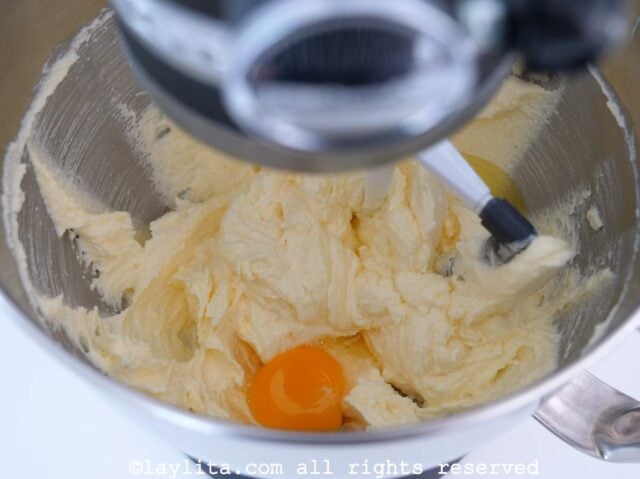
- Place the room-temperature butter in the bowl of a stand mixer. Beat for about three minutes until the butter lightens in color.
- Then add the sugar and continue beating for another three minutes.
- Add the eggs, one at a time, and mix well in between adding each egg.
- Then add the milk, orange juice, vanilla extract, and orange zest. Beat for a couple of minutes until well combined. At this point, the mixture will look lumpy. Don't worry, it will be fine.
- Add the sifted flour mixture to the batter.
- Continue mixing until the batter is completely smooth.
- Pour the batter into the prepared pan(s).
- Bake the cake for approximately 55-60 minutes for 10-inch (25cm) pans, or 40-45 minutes for smaller round pans or rectangular loaf pans. The cake is done when it’s golden brown and a toothpick inserted into the center comes out clean. Remove the cake from the oven and let it cool to room temperature.
- Let the cake cool down for 15-20 minutes before removing it from the pan.




For the orange syrup:
- While the orange cake is baking, you can prepare the syrup, or you can also make it the day before. In a small saucepan, combine the orange juice, sugar, and lemon juice. Cook over low heat for about 5 minutes, or until the sugar is completely dissolved.

Adding the orange syrup to the cake:
- Use a toothpick or skewer to poke holes in the cake, then add the orange syrup. This will give the cake a delicious touch of extra flavor and moisture. If you have time, put it in the refrigerator for a couple of hours so it's cold when you apply the icing. If you add the glaze/icing on a warm cake, it will melt.

To prepare the glaze or icing:
- In a small bowl, combine the powdered sugar, 3 tablespoons of orange juice, and the orange blossom essence. Stir until you have a thick, smooth mixture. If it's too thick, you can add an additional 1/2 tablespoon of orange juice until you reach the desired consistency.

To decorate the cake:
- Gently pour the icing over the completely cooled down cake and decorate it as desired. If you wish, you can add some orange zest on top of the icing.
- Let the icing set a bit and then add the caramelized orange slices on top of the icing. You can add the orange slices whole or cut them into halves if you prefer.


Step by step preparation photos for Torta de Naranja or Orange Bundt Cake:


More Dessert Recipes to Try


Discover more from Laylita's Recipes
Subscribe to get the latest posts sent to your email.






Can’t wait to try this cake – it looks amazing ! Thank you for sharing all these jewels.
I have a question with the caramelization : when you say repeat process 4 times , what steps ? Do you drain the oranges again , or just leave them to cool in the sugar syrup and then reboil?
Hi Ana, For the orange slices, let them cool in the sugar syrup and reboil. I will clarify that in the recipe. Thank you!