
Asian Sticky Pork Ribs (in the Oven)

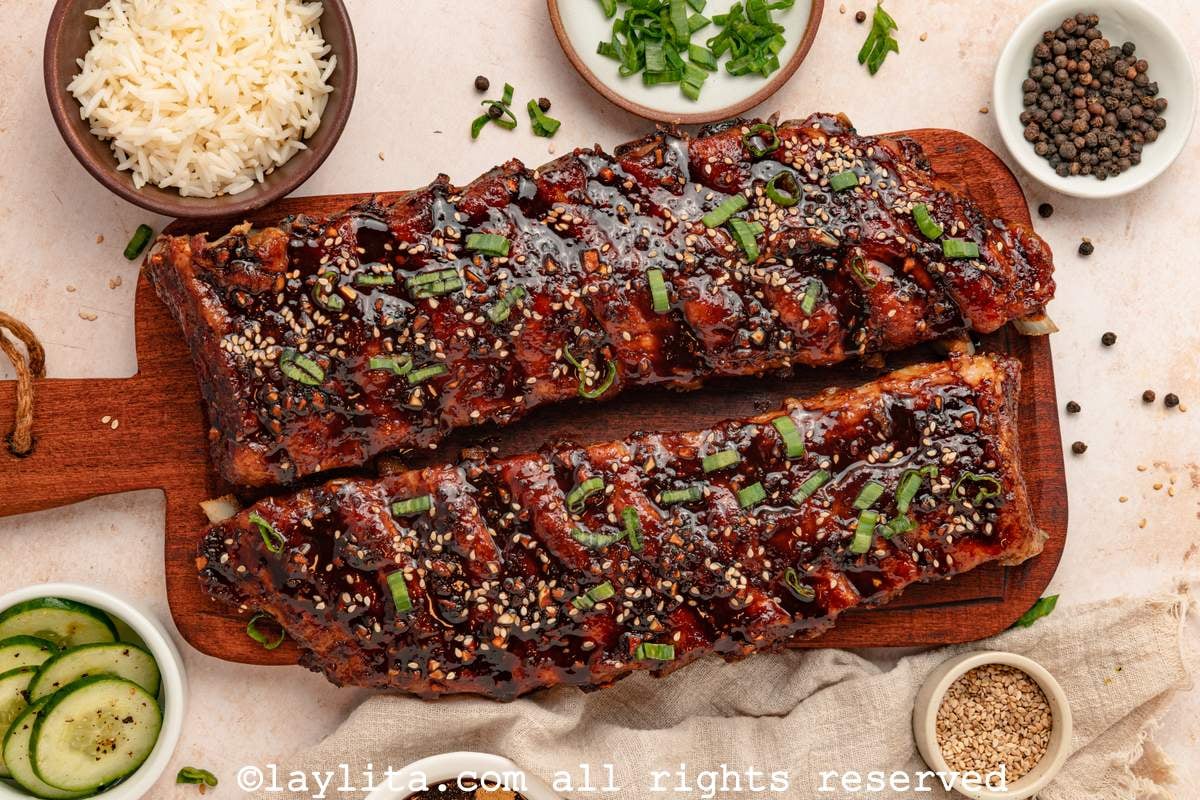
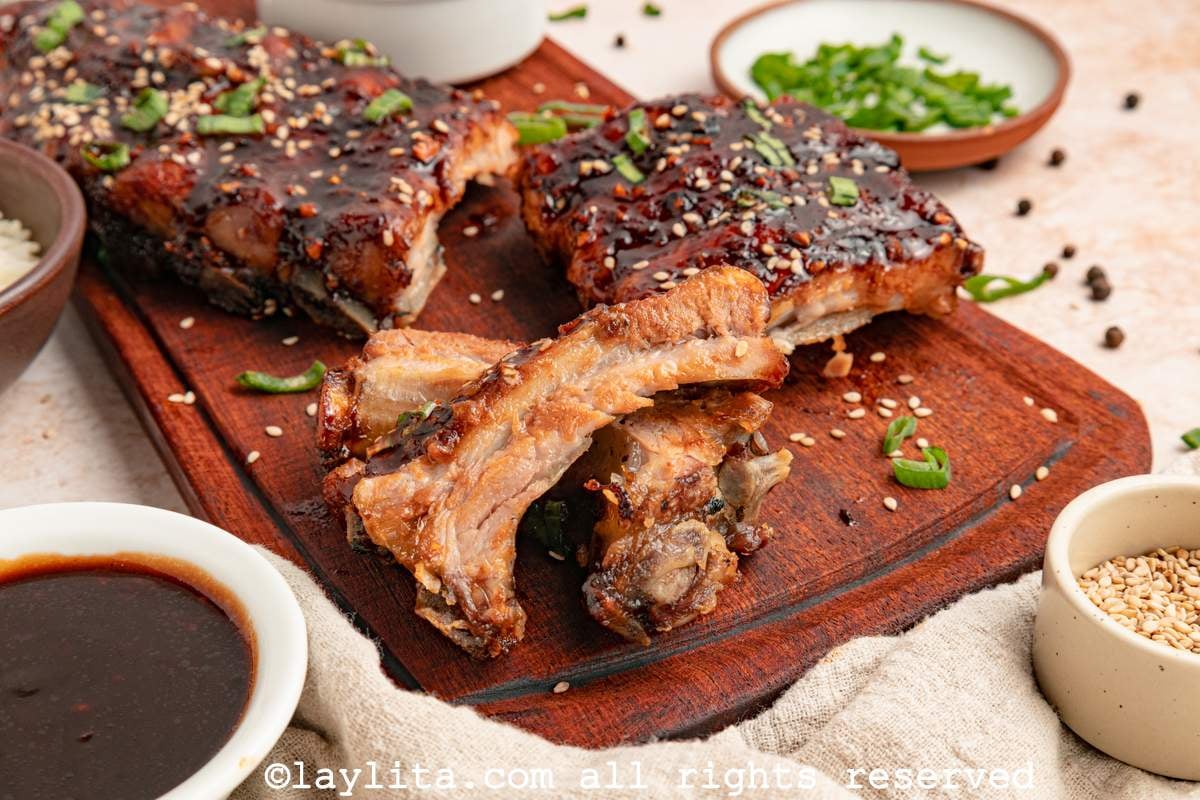
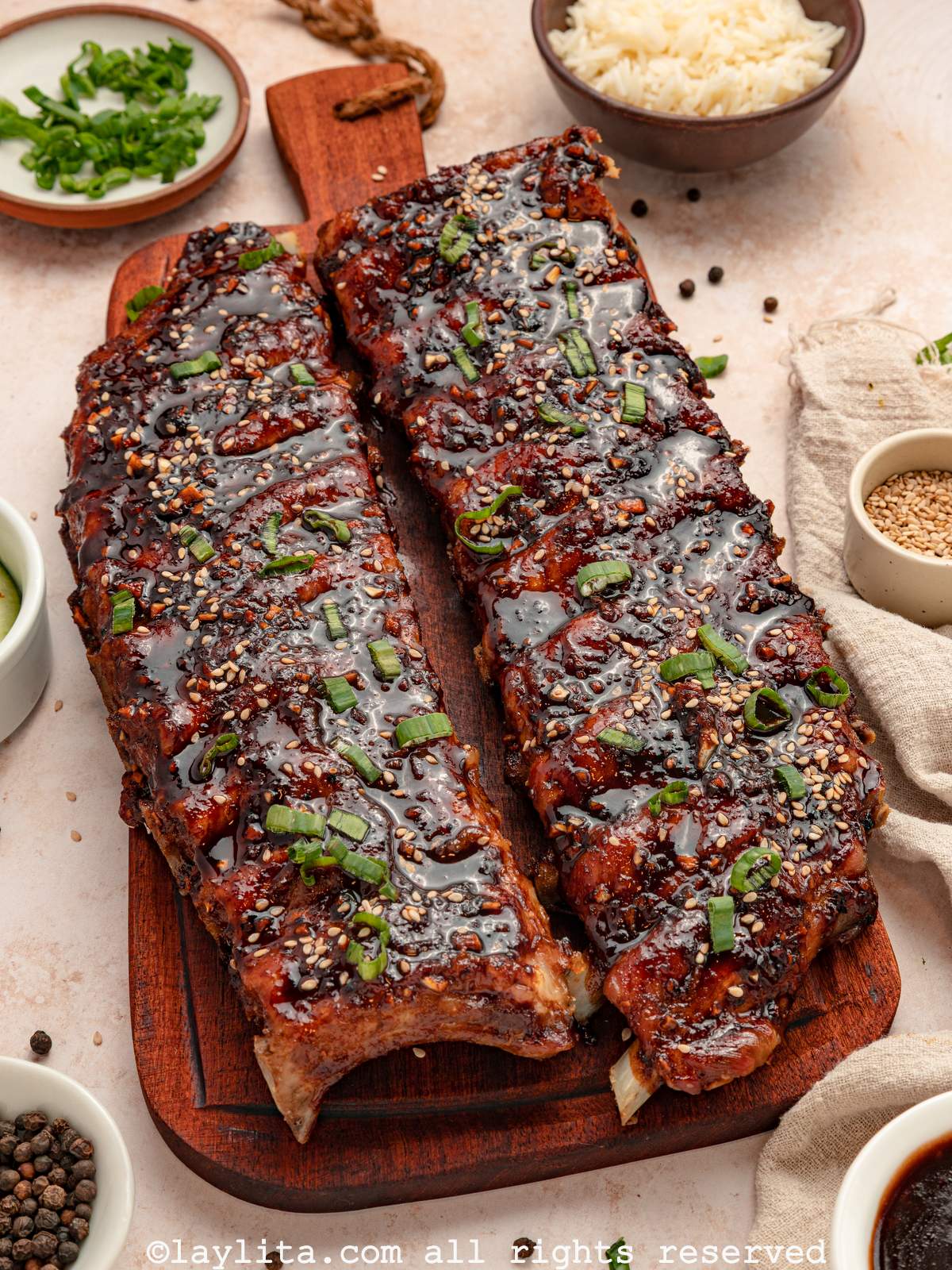
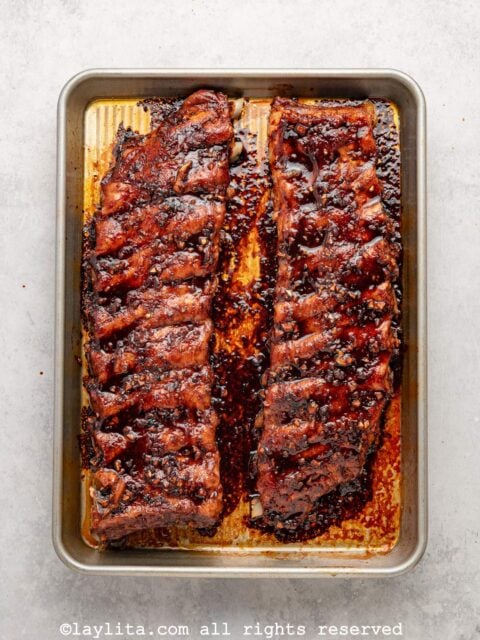
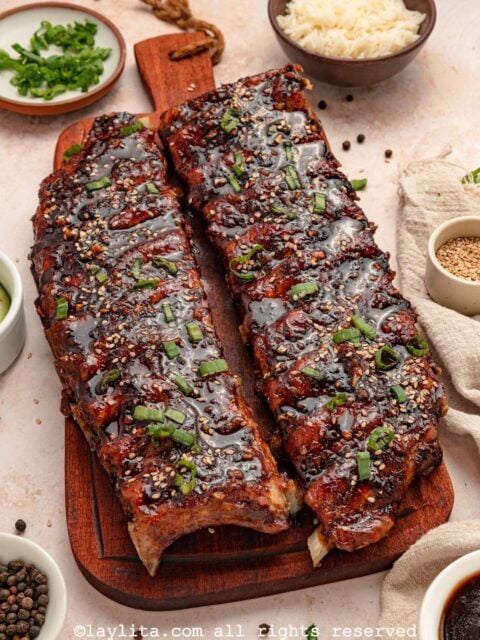
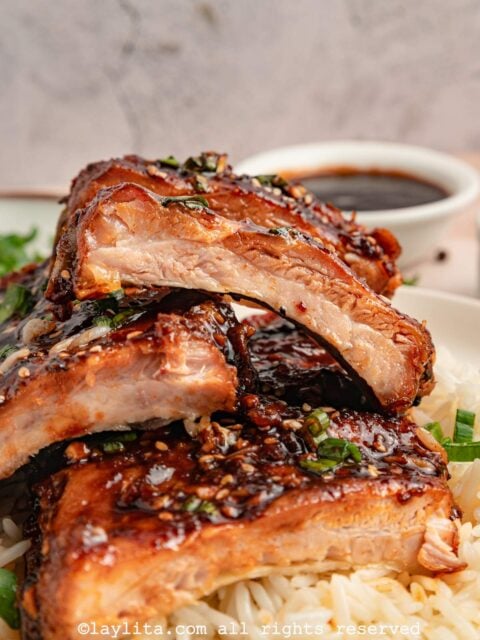
Sticky, glossy, fall-off-the-bone ribs are proof that patience pays off. This Asian Sticky Pork Ribs recipe uses a low, slow bake to get the meat impossibly tender, then a hot finish to lock in a sweet, spicy, caramelized glaze. Two steps, big payoff!
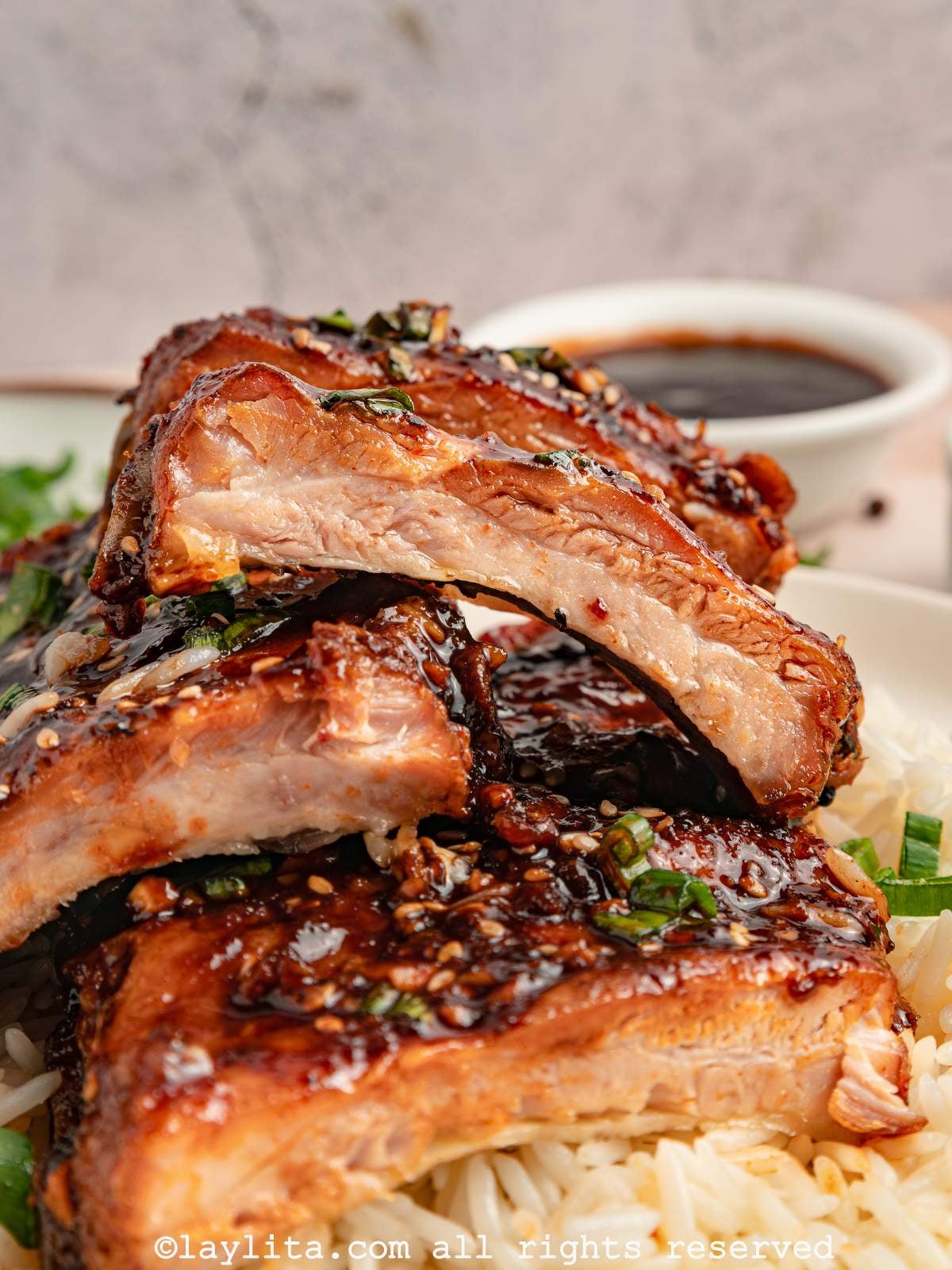
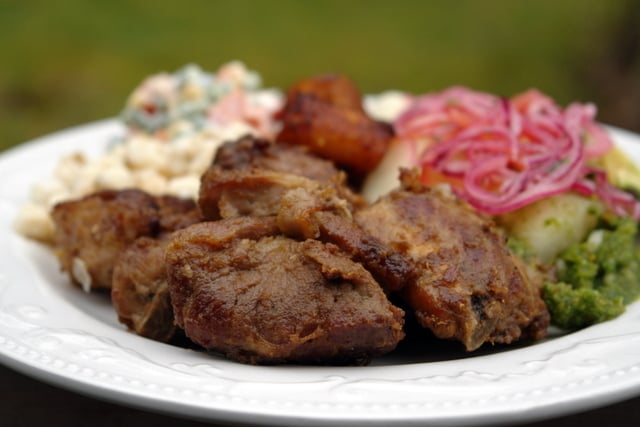
Ribs are one of my absolute favorite things to cook, especially when they’re slow-roasted until they’re so tender they barely need a knife. That long, slow bake is what turns a tougher cut into something melt-in-your-mouth good, it’s a trick I use often, like in my fritada de chancho. This technique makes these Asian sticky pork ribs seriously tender!
That being said, the sauce here is my favorite part. Gochujang brings a deep, slightly funky heat, soy sauce and hoisin add savory backbone, and brown sugar with rice vinegar balances it all out into something sticky, glossy, and so delicious! I always make extra for dipping, because trust me, you’ll want it.
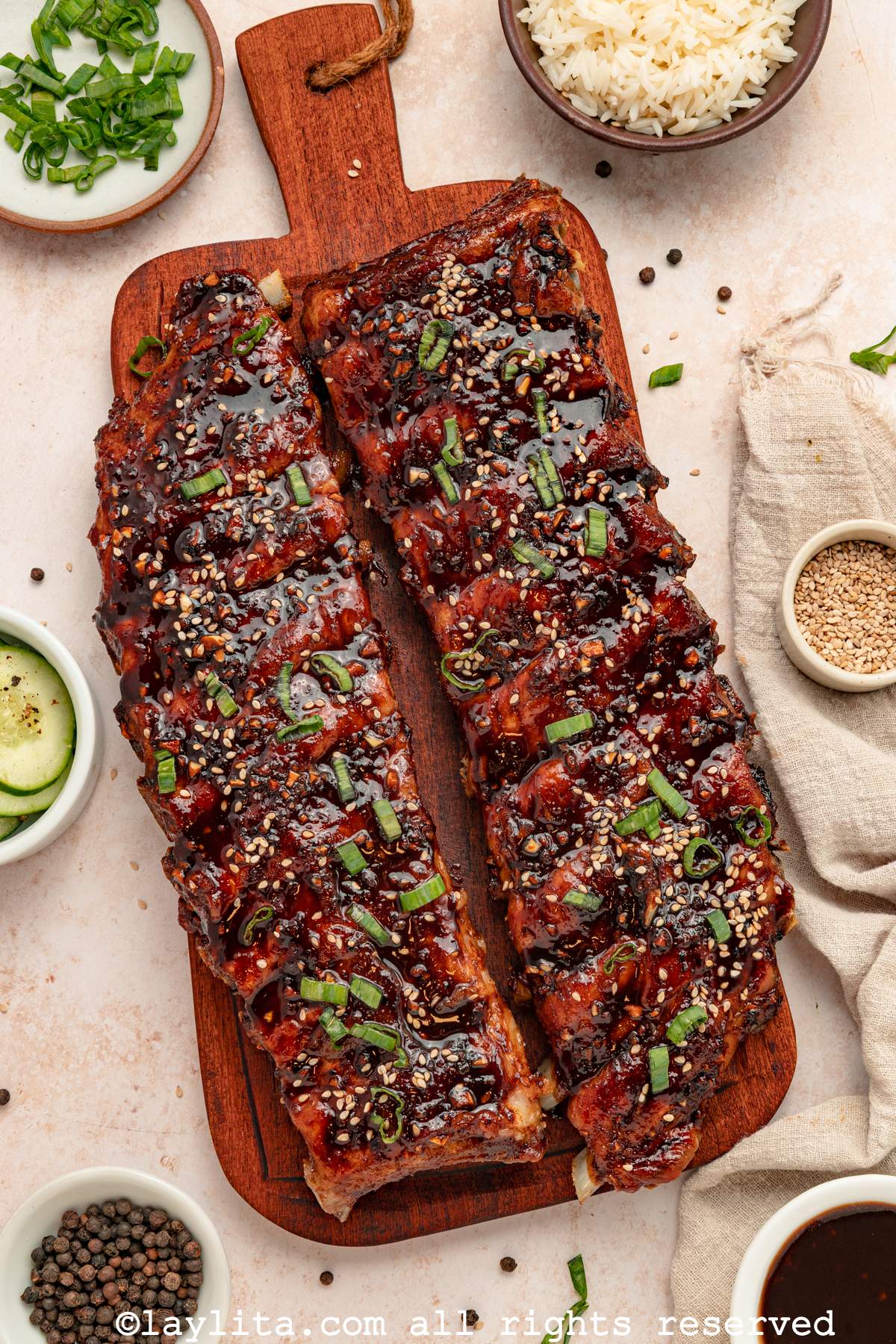
Why You’ll Love These Asian Sticky Baked Pork Ribs
- It’s mostly hands-off. Once the Asian sticky ribs go in the oven, you’ve got over two hours to do whatever you want. The oven does the heavy lifting while you relax.
- That sauce works overtime. It’s a marinade, basting sauce, and dipping sauce all in one!
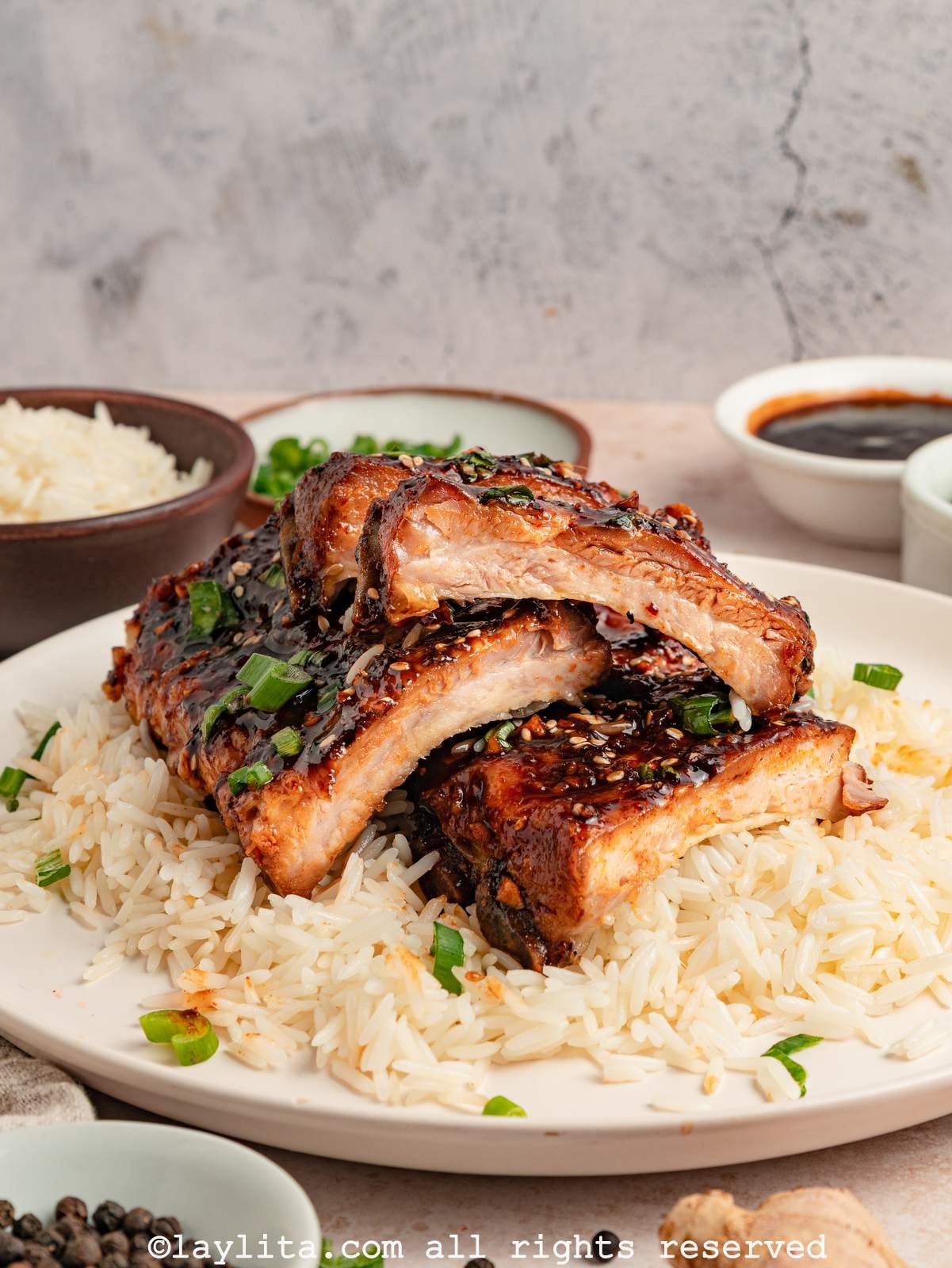
- The texture is unbeatable. Slow baking first guarantees fall-apart tender meat, then the high-heat finish gives you those sticky, caramelized edges.
- It feels special without much effort. This is the kind of recipe that looks (and tastes) like you work for hours, but these sticky ribs are actually surprisingly easy to make!
Ingredient Notes
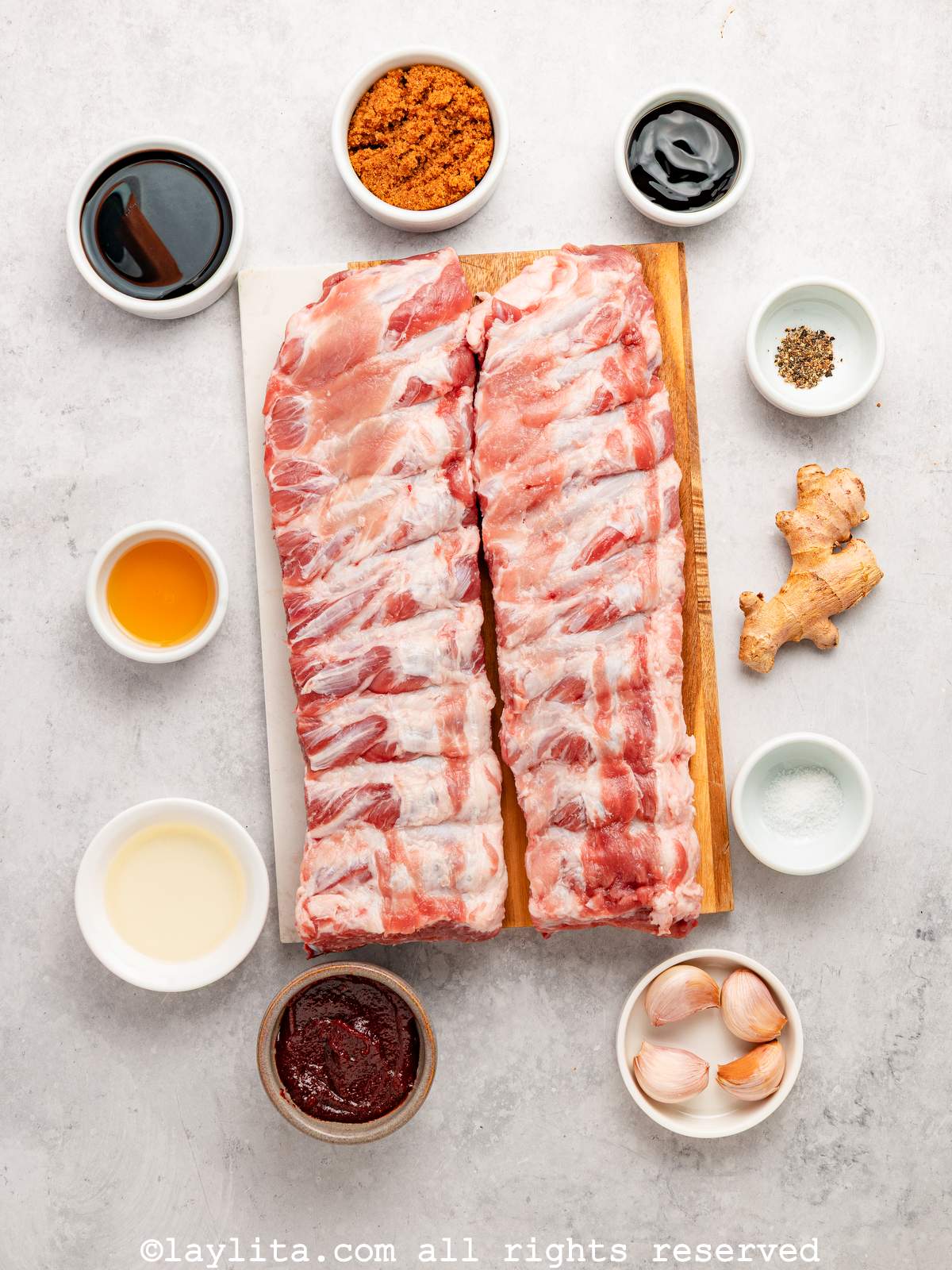
- Pork ribs: Baby back ribs are leaner and cook a bit faster, while spare ribs are meatier and more marbled. Either works beautifully here.
- Salt and black pepper: A simple seasoning for the ribs before they hit the oven, this helps season the meat from the inside out.
- Gochujang: A fermented Korean chili paste that adds deep heat and umami. It’s the backbone of the sauce’s flavor.
- Soy sauce: Use a regular soy sauce, not a low-sodium one, unless you plan to add a bit of extra salt.
- Brown sugar: Balances the heat and saltiness, and helps the sauce caramelize beautifully under the broiler.
- Garlic and ginger: Fresh is best here, they add aromatic warmth that really adds flavor to the sauce.
- Rice vinegar: Brings brightness and a little tang to cut through the richness.
- Hoisin sauce: Adds a sweet, slightly tangy depth. Oyster sauce is a great substitute if you have it on hand.
- Sesame oil: Just a touch goes a long way in adding nutty, toasty flavor to the finished sauce.
- Sesame seeds and scallions: These are for garnish, but don’t skip them, they add color, crunch, and a nice fresh bite.
Variations & Substitutions
- Make it milder: Cut the gochujang in half and add a touch more hoisin for a sweeter, more kid-friendly version.
- Oyster sauce instead of hoisin: This swap works great and leans the flavor a bit more savory and less sweet.
- Honey instead of brown sugar: Honey will give you a slightly different but still delicious sticky finish.
- Beef short ribs: If you want to switch up the protein, this sauce also works wonderfully on beef short ribs, just adjust the cook time since they may need a bit longer.
- Grill finish: Instead of broiling, finish the ribs on a hot grill for a few minutes per side for extra smoky char.
Tips for Success
- Don’t skip removing the membrane. That thin white layer on the back of the ribs blocks seasoning and makes the meat chewier, so peeling it off makes a real difference in both texture and flavor.
- Cover tightly with foil during the first bake. This traps steam and moisture, which is exactly what makes the meat so tender by the time you uncover it.
- Baste in stages, not just once. Brushing the sauce on before the high-heat bake and again halfway through builds up layers of flavor and gives you a thicker, glossier glaze.
- Watch closely under the broiler. Sugar-based sauces can go from beautifully caramelized to burnt in under a minute, so stay near the oven during this final step.
What to Serve with Asian Sticky Ribs
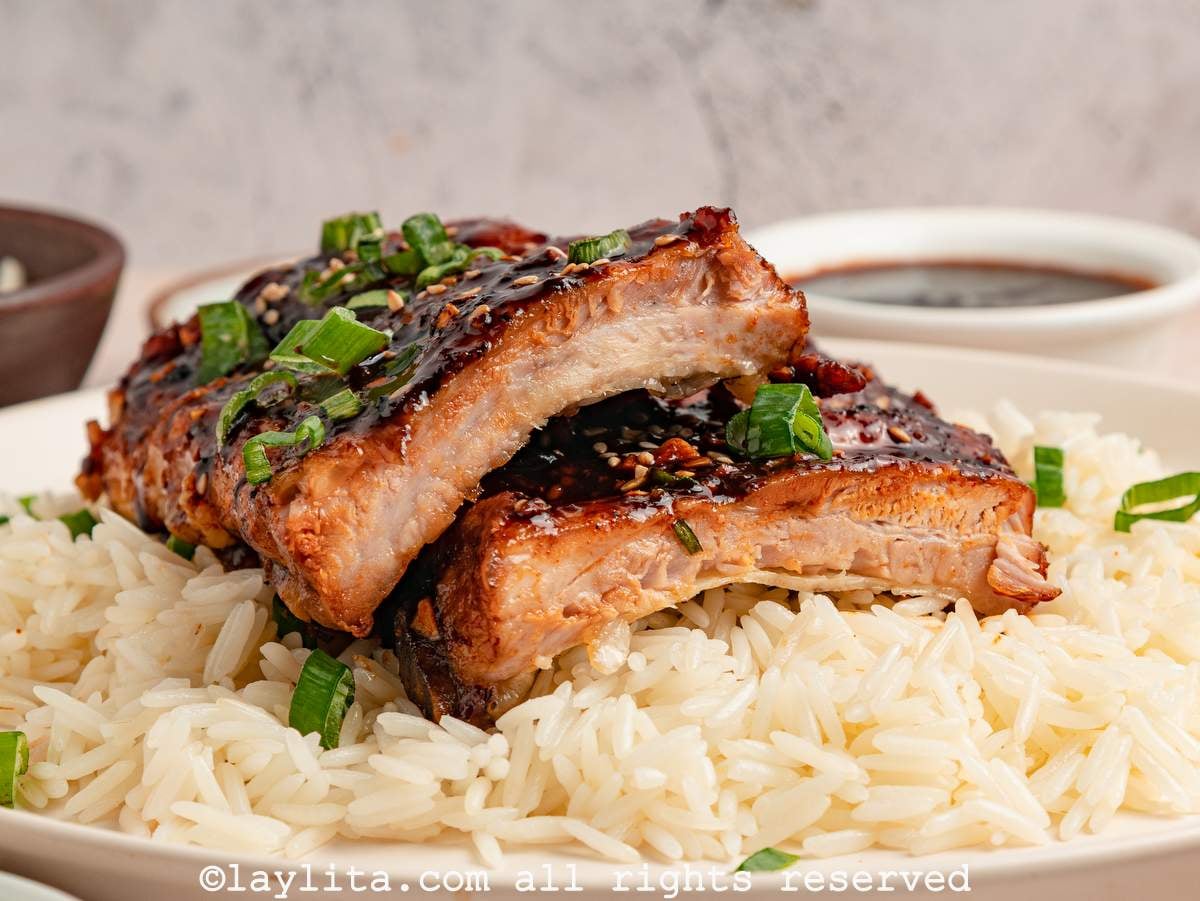
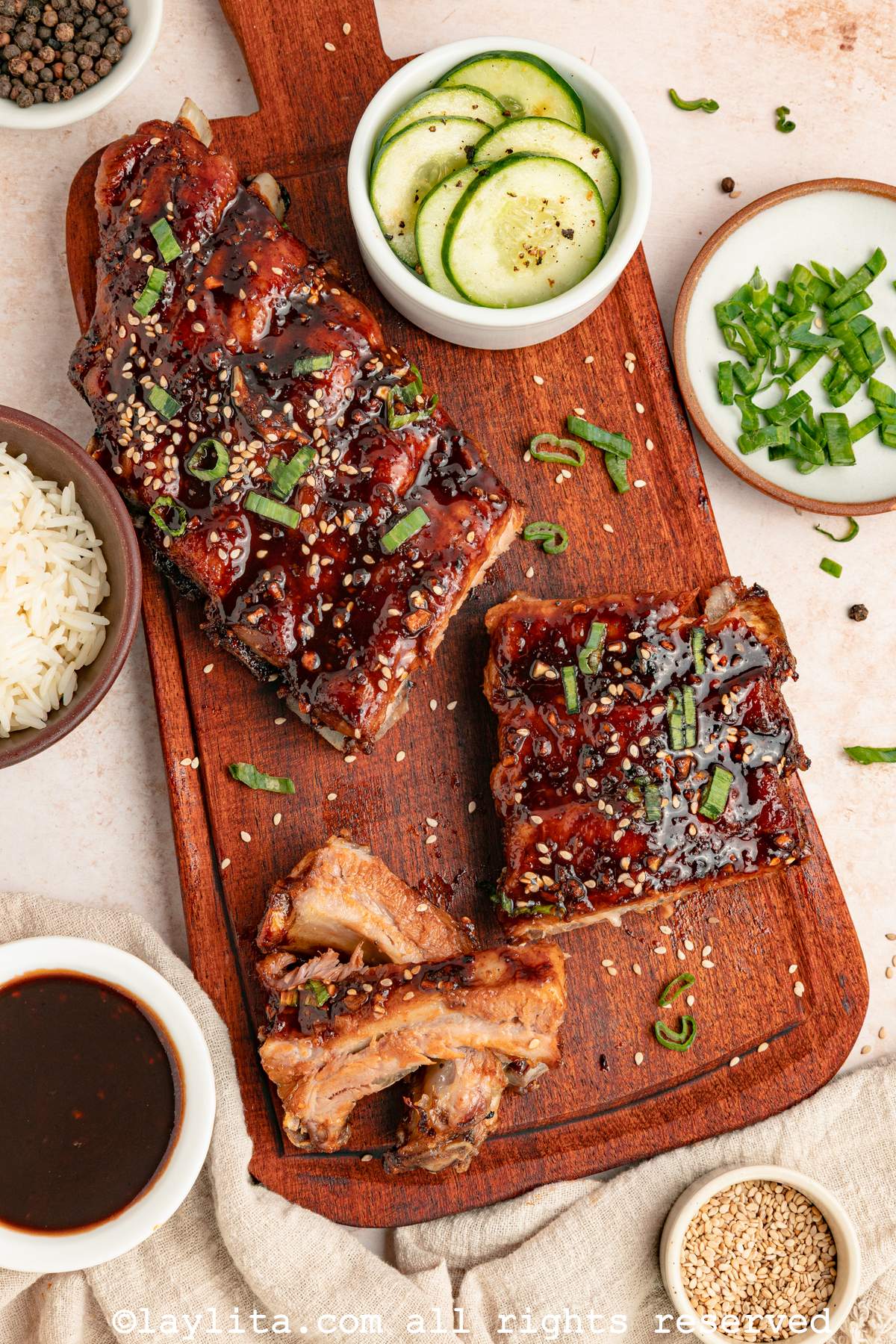
These sticky Asian-style ribs are rich and a little spicy, so I love pairing them with something cooling and fresh on the side. A bowl of steamed white rice is the obvious choice to soak up extra sauce, but if you want something with a little more flair, my arroz chaufa is a great option, like fried rice. On the fresh side, my cucumber salad with lime and cilantro would be perfect! Top everything with extra sesame seeds and scallions, and don’t forget that bowl of extra sauce on the side for dipping.
Storage Suggestions
Let the ribs cool to room temperature before storing. Keep leftovers in an airtight container in the refrigerator for up to 4 days. To reheat the ribs, wrap them loosely in foil and reheat at 325°F for about 15 minutes or until warmed through. Brush with a little extra sauce before reheating if you have any left.
To freeze, wrap the ribs tightly in foil or place them in a freezer-safe bag, and they’ll keep well for up to 3 months. When you’re ready to reheat, thaw frozen ribs overnight in the refrigerator, then warm them in a covered baking dish at 325°F (165°C) until heated through.
Frequently Asked Questions
What’s the difference between baby back ribs and spare ribs for this recipe?
Baby back ribs are smaller, leaner, and tend to cook a bit faster, while spare ribs are larger, meatier, and have more fat and connective tissue. Both work great here, just keep an eye on the ribs toward the end of the low and slow bake since spare ribs may need a bit more time. They both work well!
How spicy is this recipe?
The gochujang gives these ribs a noticeable but not overwhelming heat, it’s more warm and savory than fiery. If you’re sensitive to spice, start with less gochujang and add more hoisin or brown sugar to balance it out.
Can I cook these ribs entirely on the grill instead of the oven?
You can, though you’ll want to use indirect heat for the first long cook to keep the ribs tender, then move them to direct heat at the end to caramelize the sauce. Keep a close eye on them since grills tend to run hotter and less evenly than an oven.
Asian Sticky Pork Ribs (in the Oven)
Ingredients
- 2 racks of pork ribs (baby back or spare ribs) – between 1.5kg-3kg depending on the type of ribs
- 1½ tsp salt
- ½ tsp black pepper
For the sauce:
- ¼ cup gochujang 60 ml
- ? cup soy sauce 78 ml
- ¼ cup brown sugar 50 grams
- 4 cloves garlic minced, crushed or grated
- 1 tbsp fresh ginger grated
- 2 tbsp rice vinegar
- 2 tbsp hoisin sauce or oyster sauce
- 1 tbsp sesame oil
To garnish and serve:
- Sesame seeds and chopped scallions
- Rice
- Cucumber salad
- Extra sauce for dipping
Instructions
- Preheat the oven to 320°F (160°C).
- Remove the white membrane from the back of ribs (key to tenderness). Season both sides of the ribs with salt and pepper.

- Place ribs on a baking tray and cover tightly with aluminum foil.
- Bake for 2 to 2½ hours or until very tender.
- While the ribs are baking, make the sauce: In a bowl, whisk the gochujang, soy sauce, brown sugar, garlic, grated ginger, rice vinegar, hoisin sauce (or oyster sauce), and sesame oil until you have a smooth sauce. Taste and add more of any ingredient if desired. Save for later.

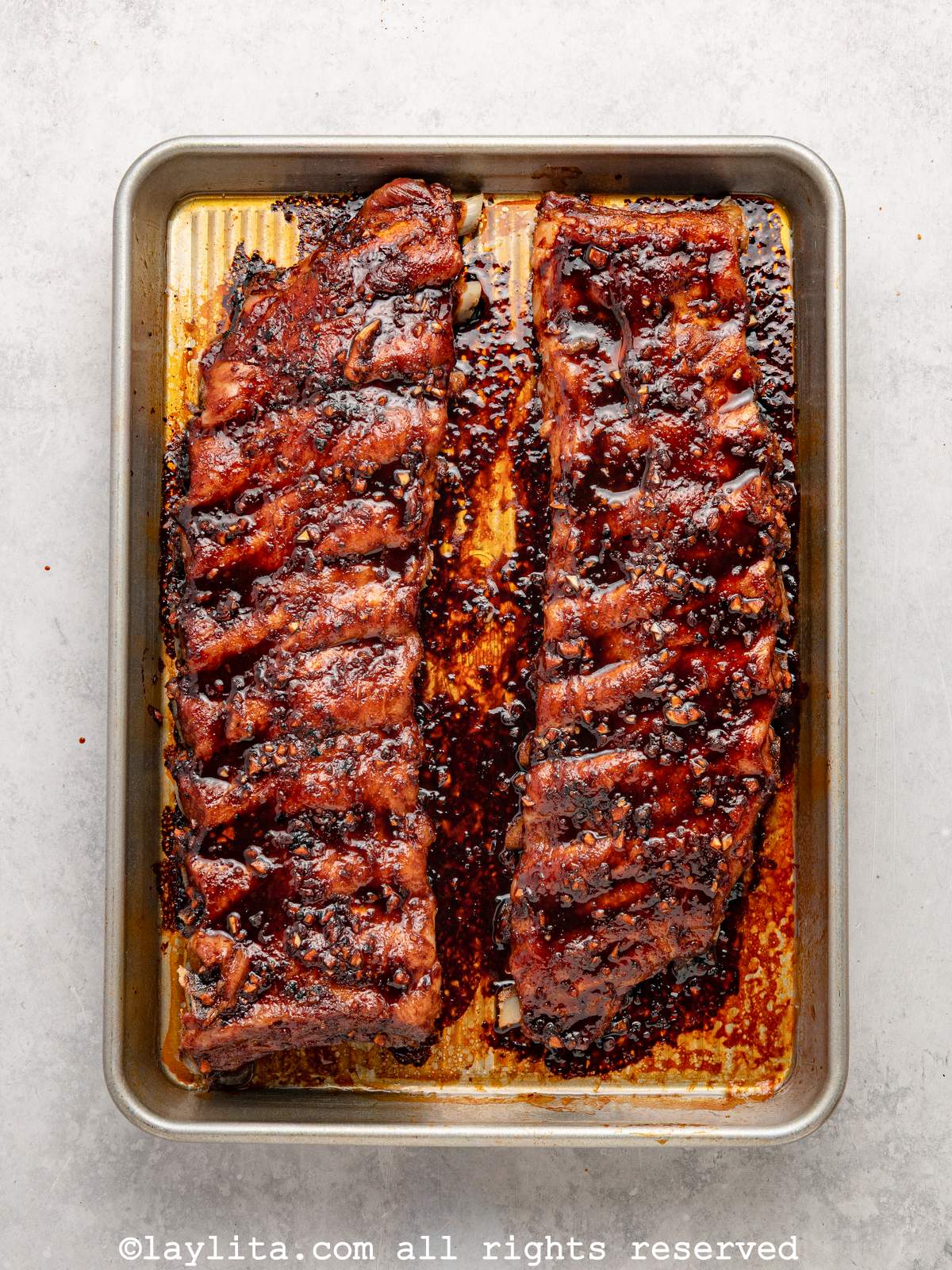
- Remove the foil and brush generously with gochujang sauce. Increase oven temperature to 425°F (220°C).
- Bake uncovered for 15 to 20 minutes, brushing with more sauce after 7-10 minutes.
- Broil for 2 to 3 minutes for extra caramelization. Keep an eye on the ribs while under the broiler to avoid burning them. You can also finish them on the grill.
- Garnish the sticky ribs with toasted sesame seeds and chopped green onions/scallions.
- Serve with rice, salad or your choice of side dishes.
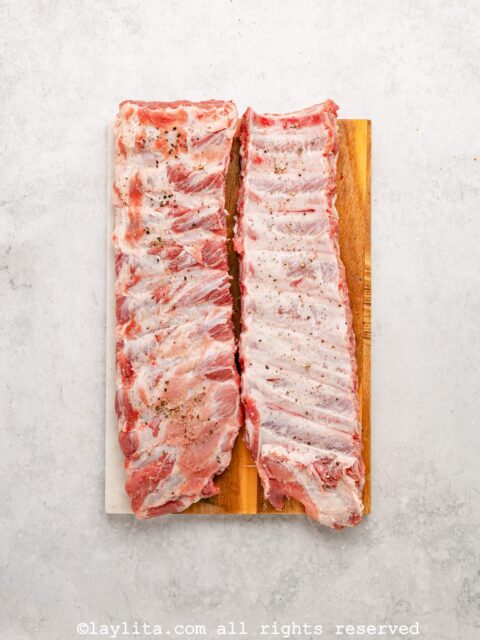
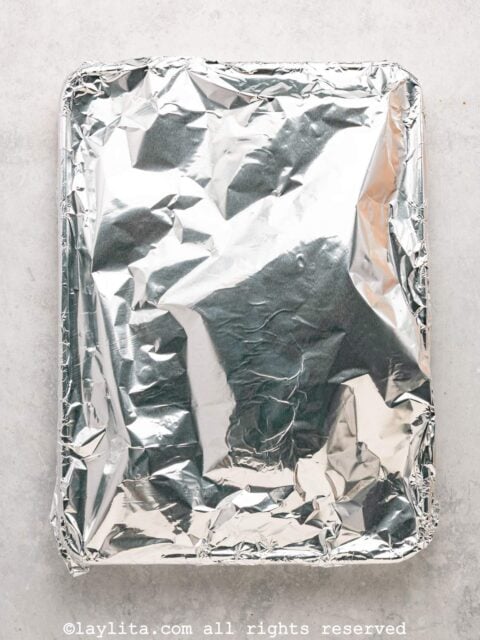
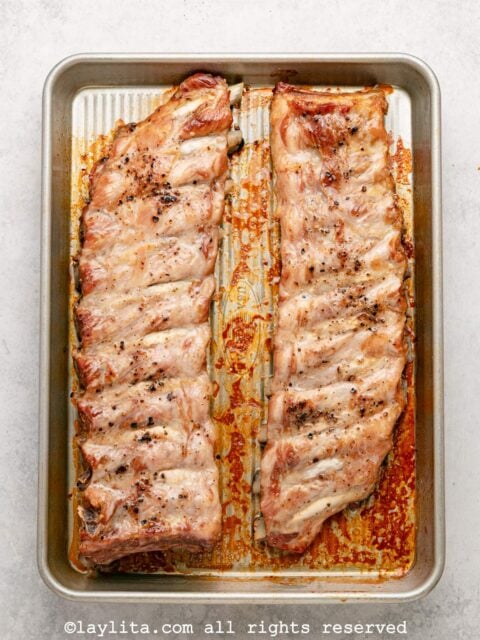
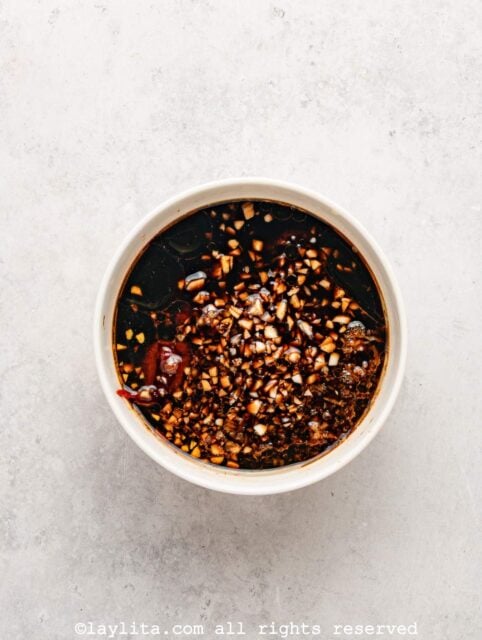
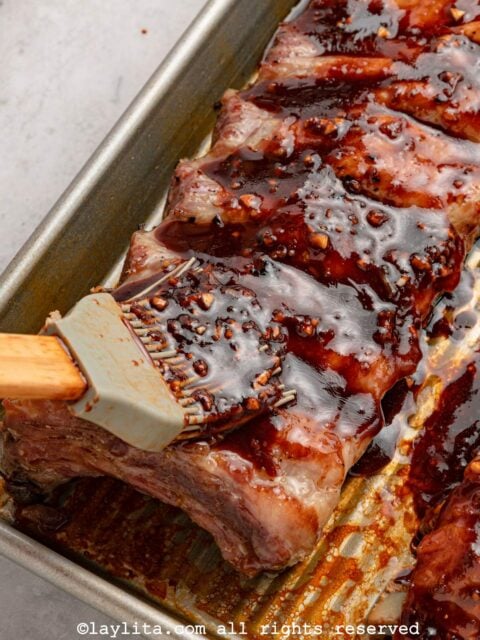
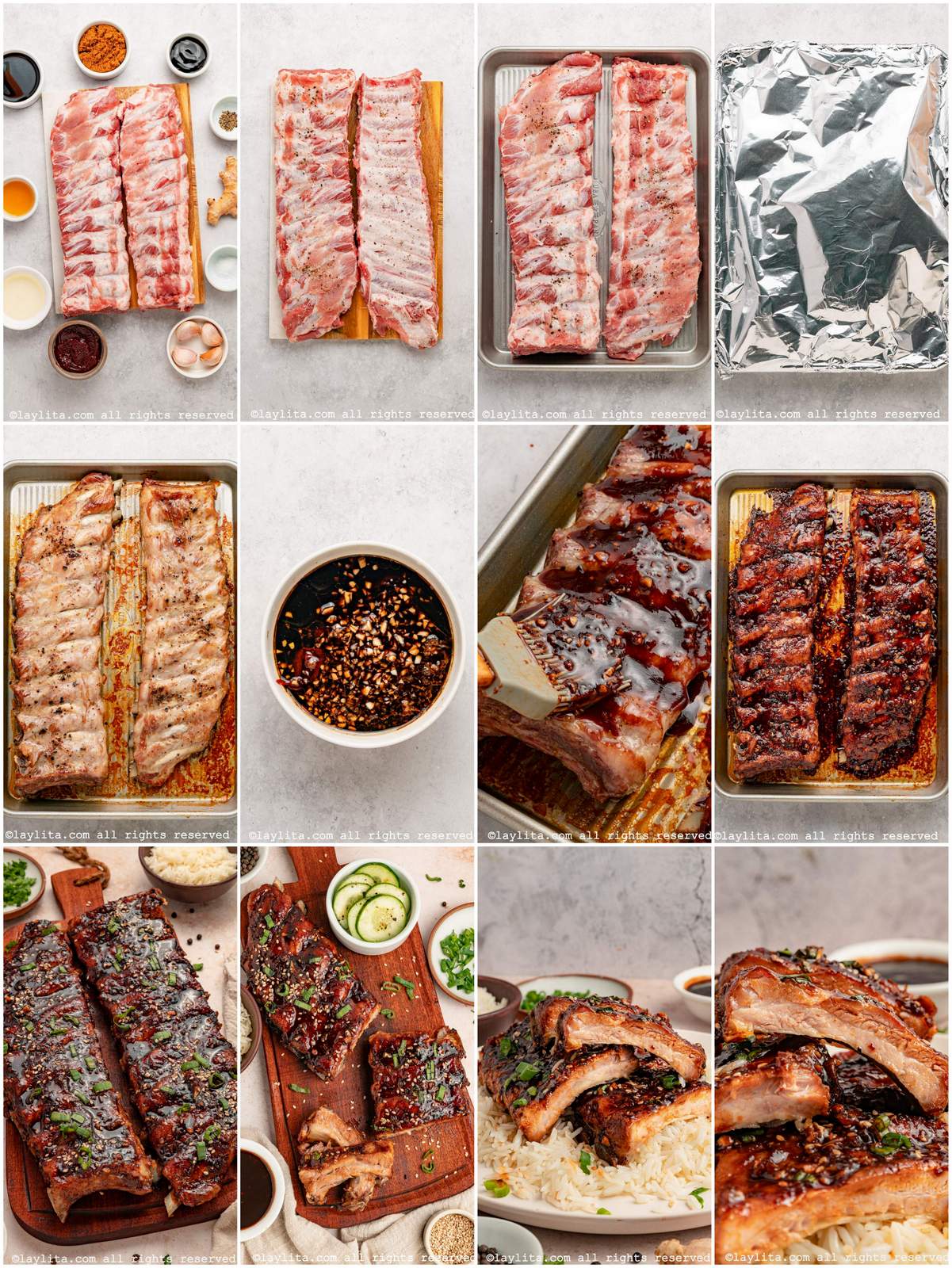
Photos of the step by step preparation process for baked Asian Sticky Pork Ribs:
More Recipes to Try



Discover more from Laylita's Recipes
Subscribe to get the latest posts sent to your email.

I often read your recipes but this is the first one I have tried. I must say, this was amazing. The sauce could be used on any protein. Make enough to use as a dip! I did not have gochujong so I used chili garlic sauce I had instead. I think it would be better with gochujong which is wild cause it was already so good. It was a bit too spicy as I just dumped aproxímate amounts in. Added a little maple syrup – cause I had it. Hubby had double thumbs up and then repeated with the second serving. Such an easy oven technique. No long marinade. Cucumber salad was a perfect combo. A definite keeper