Basque Cheesecake

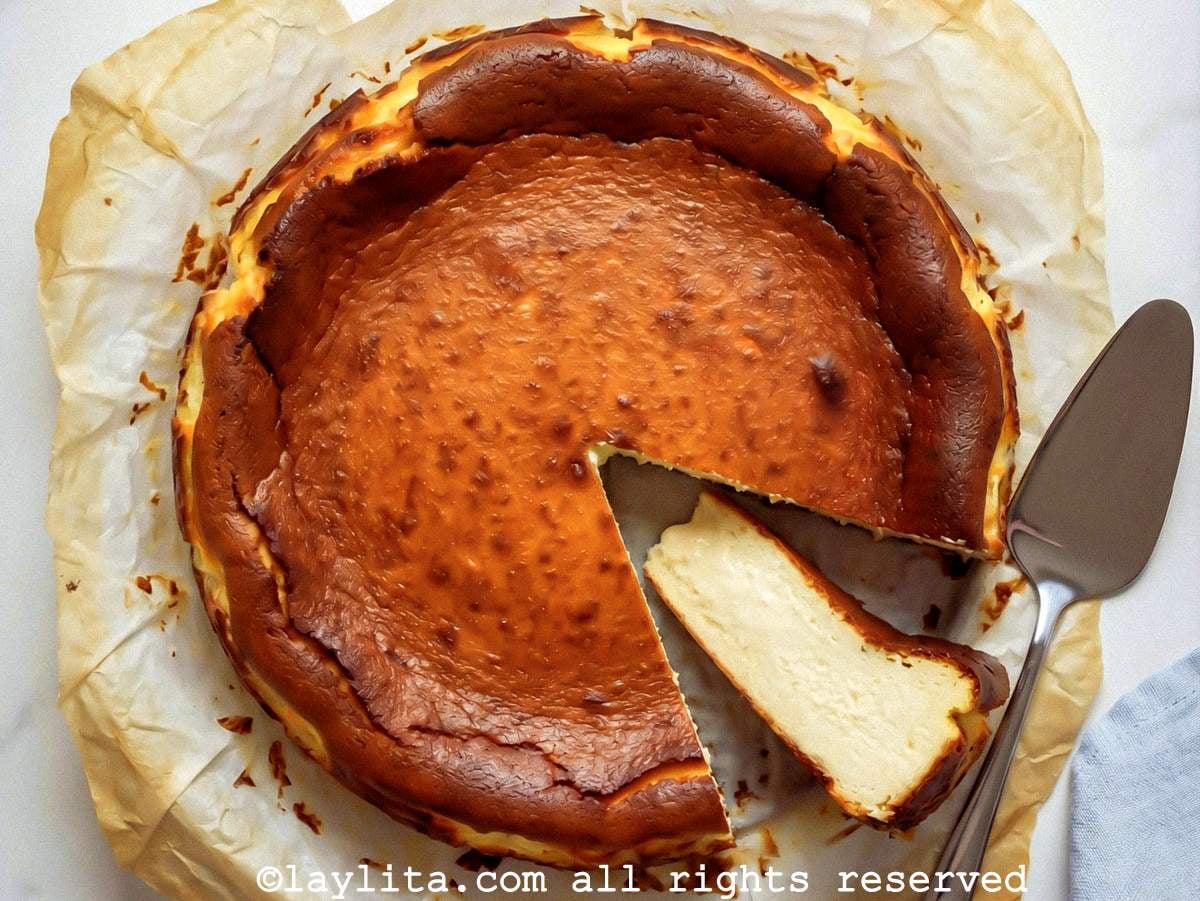
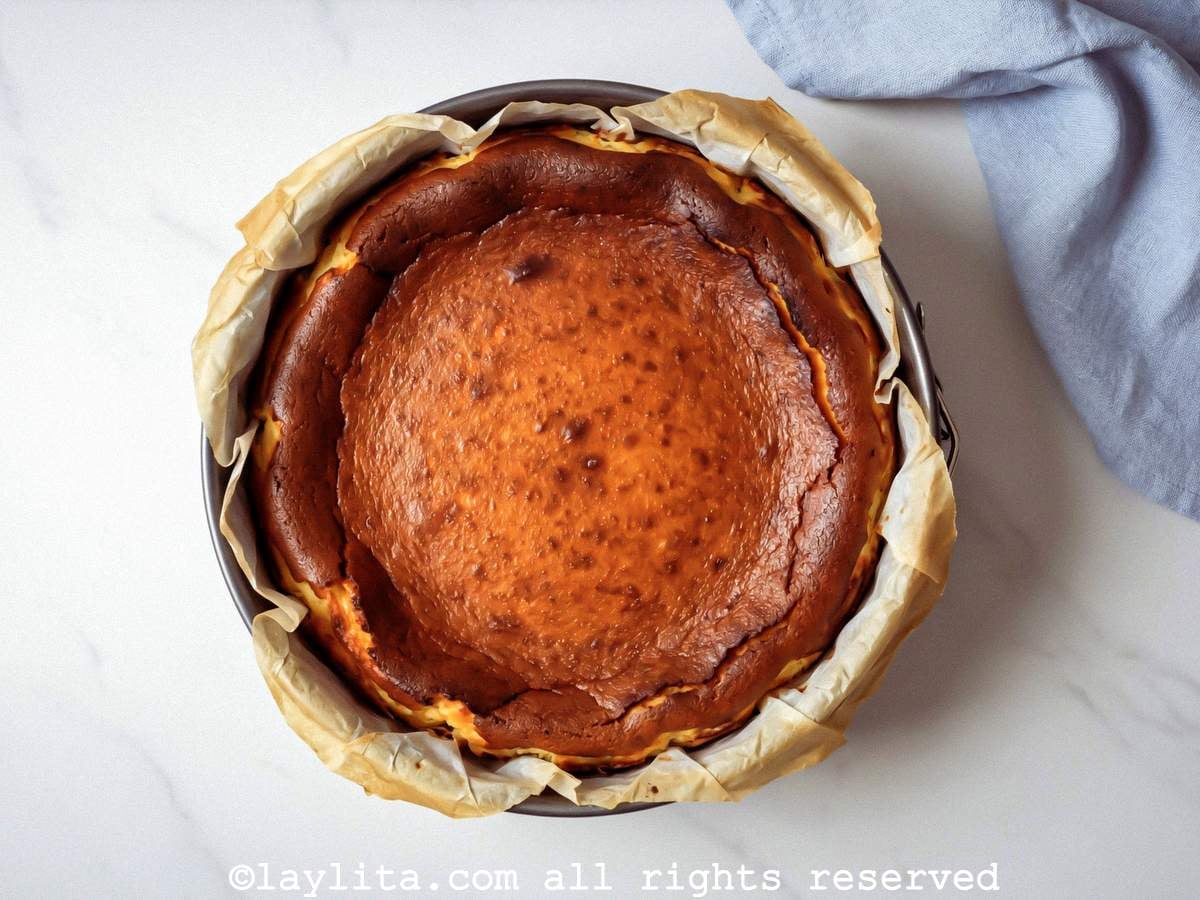
Basque Cheesecake is one of easiest desserts you can make, it is made with cream cheese, sugar, eggs, heavy cream, vanilla, flour or cornstarch, and a pinch of salt. There is no crust and it skips the water bath. No need to worry about trying to keep the top from cracking, because a deeply caramelized, cracked top is exactly the point. It’s delicious, jiggly in the middle, and very foolproof.
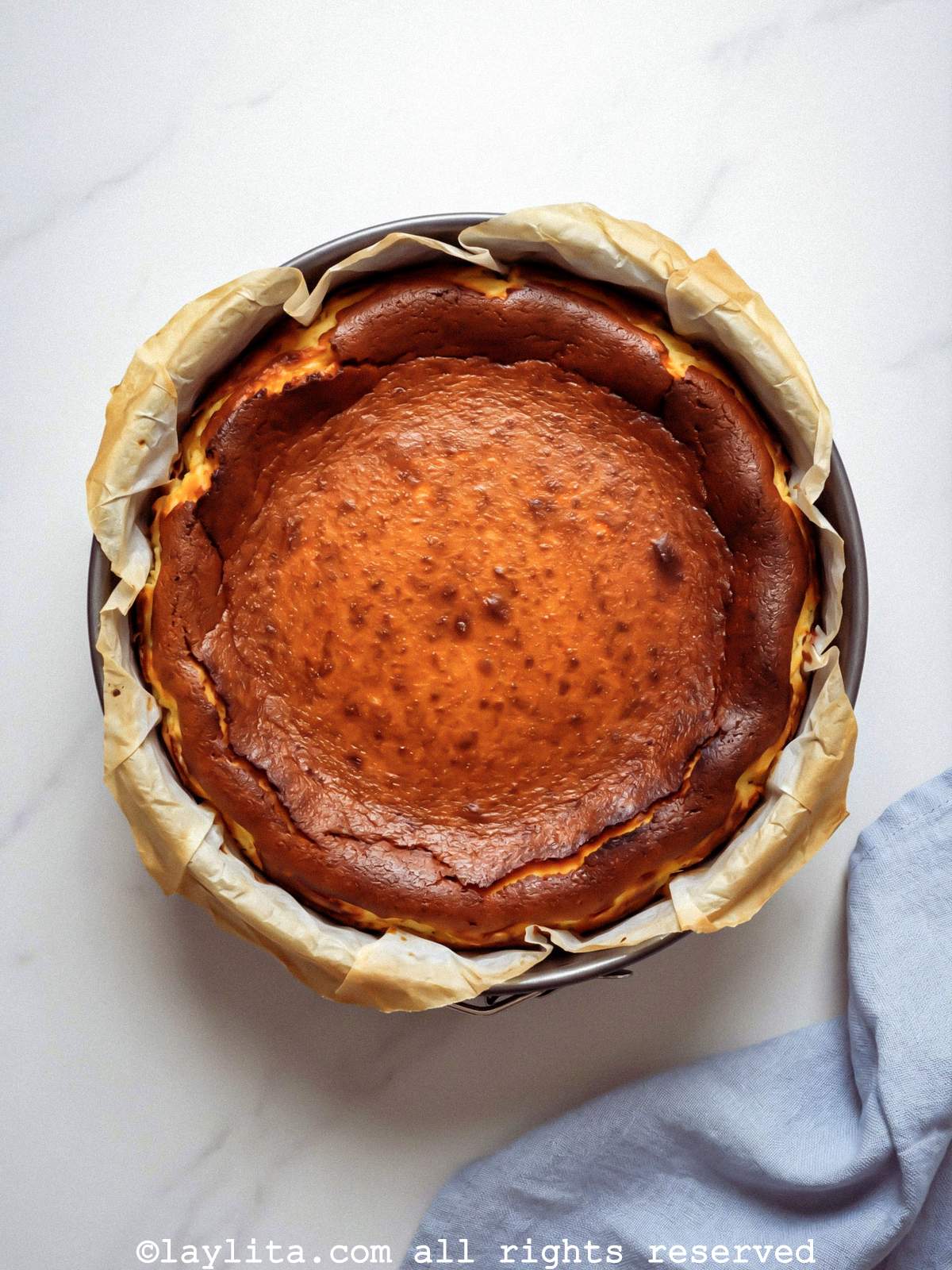
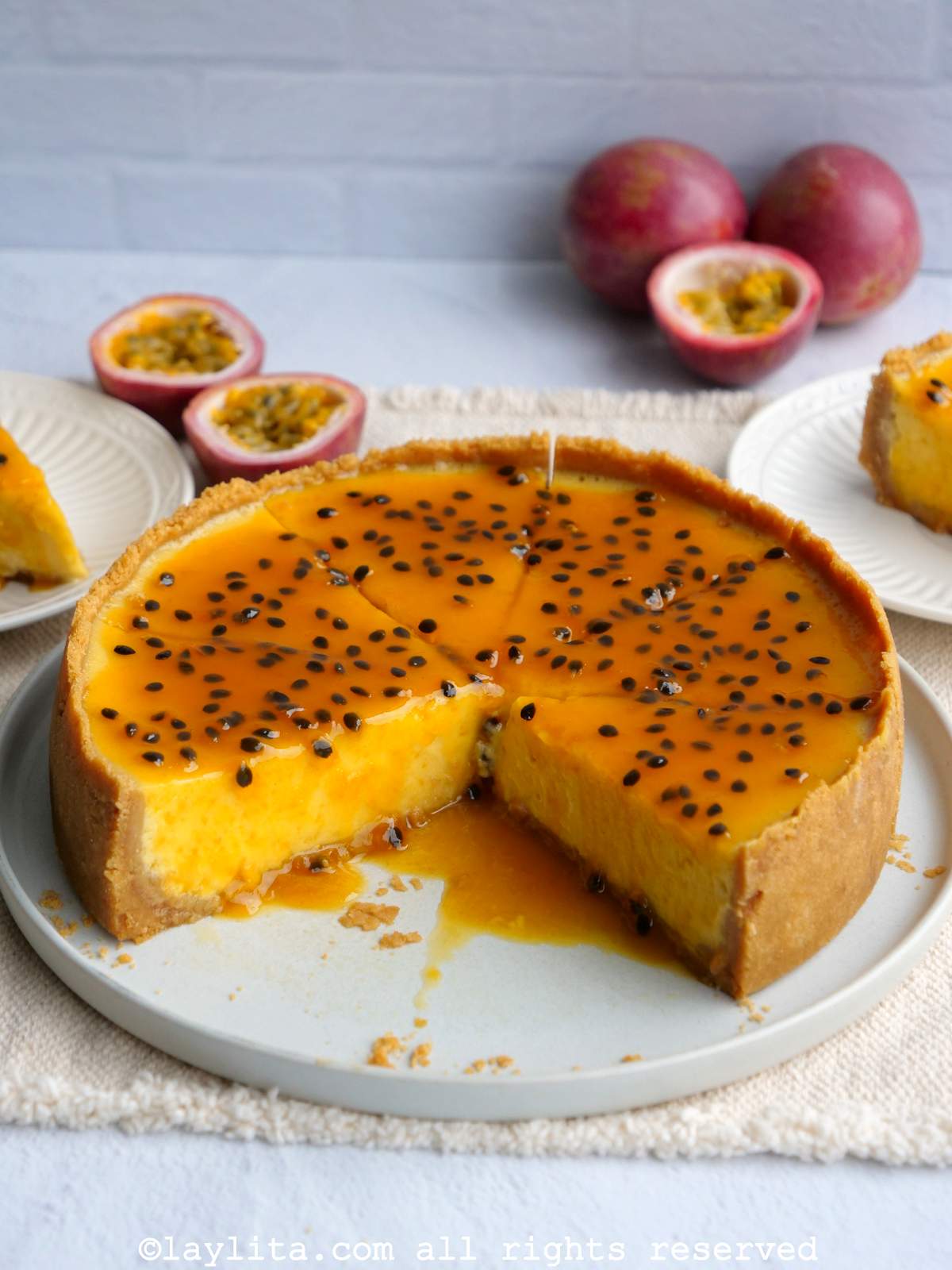
This Basque cheesecake, also known as burnt cheesecake, is one of my favorites from my time living in Europe, and it’s become one of the desserts I make most often when I want something impressive without spending too much time or effort. I’ve made more cheesecakes than I can count over the years, from my passion fruit cheesecake to my no-bake mango cheesecake, and this one might be the easiest of the bunch.
What is Basque cheesecake?
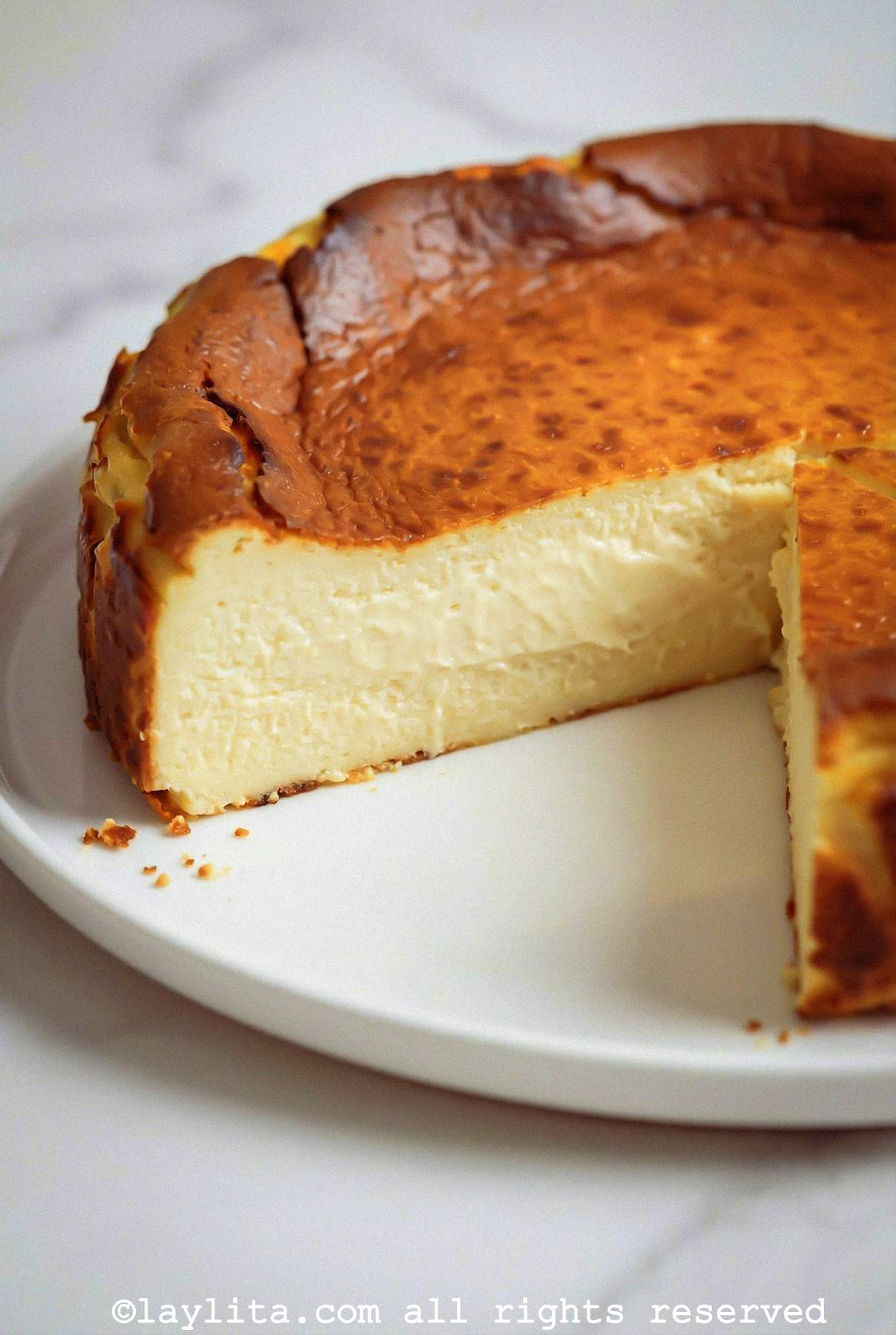
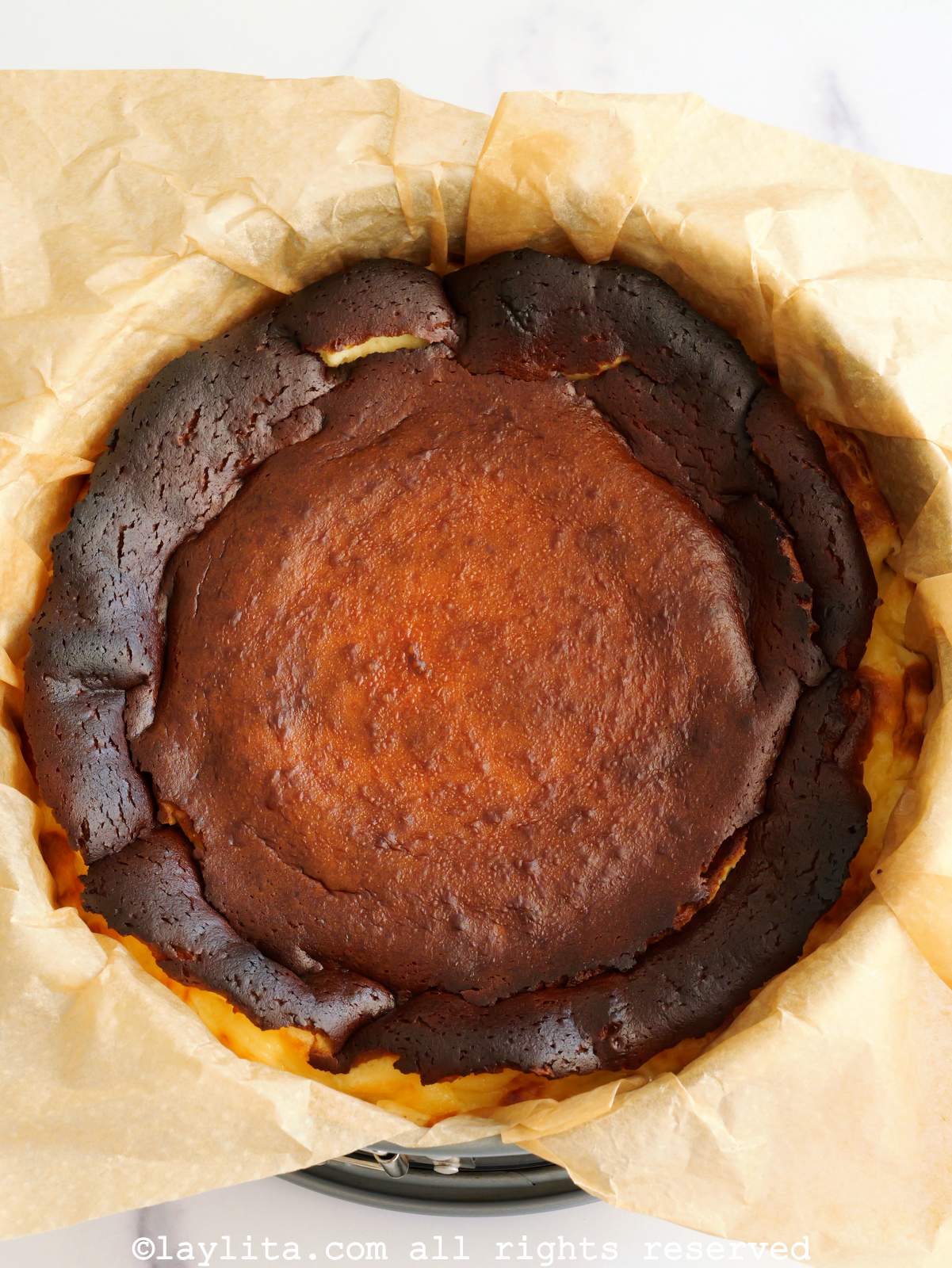
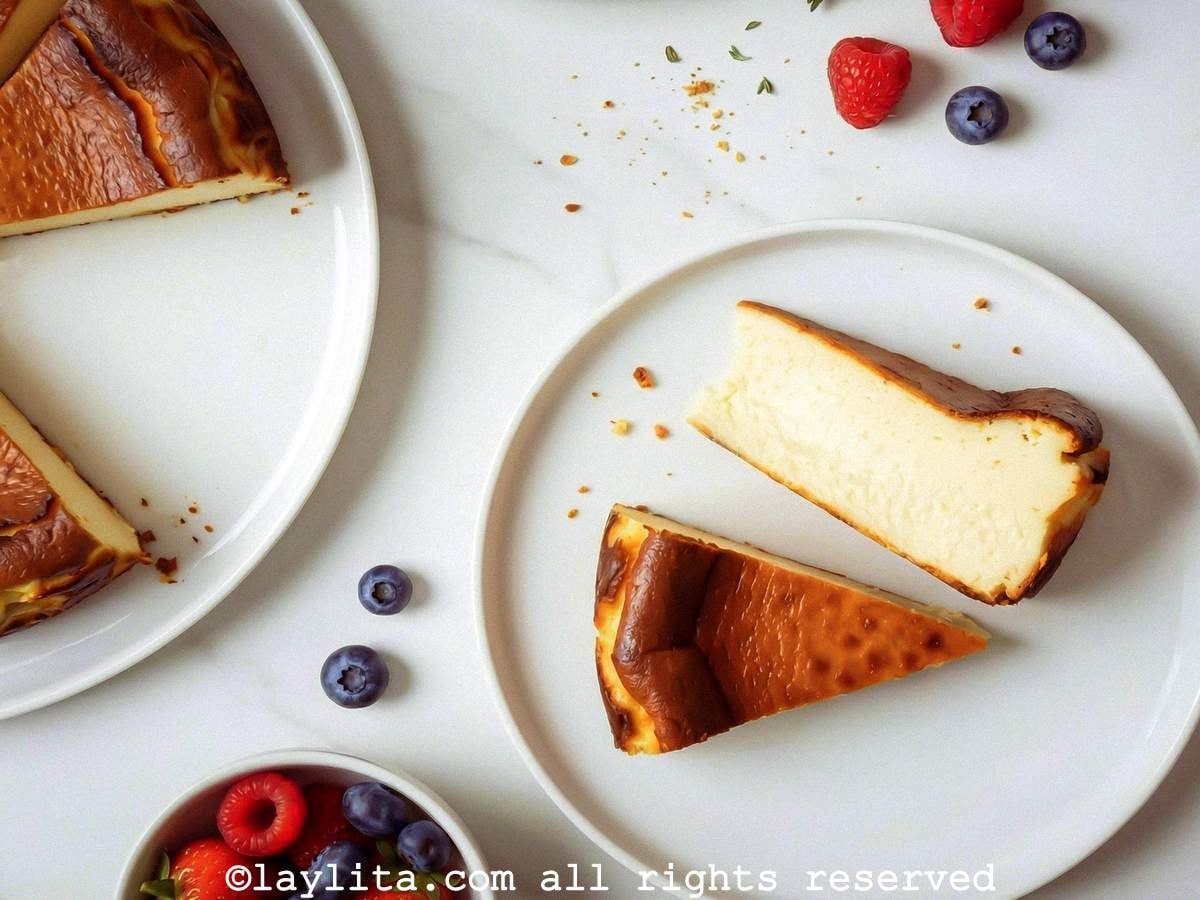
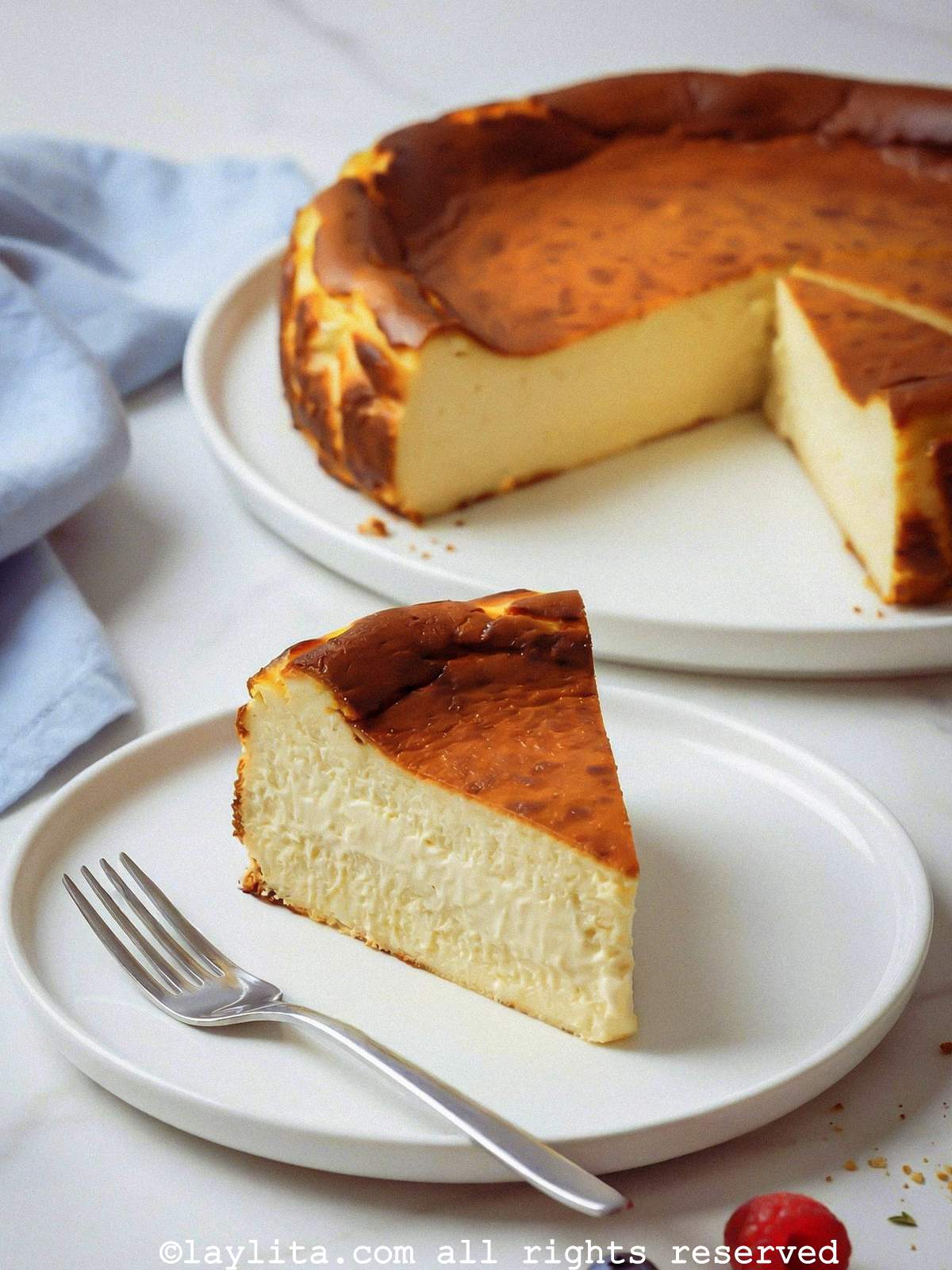
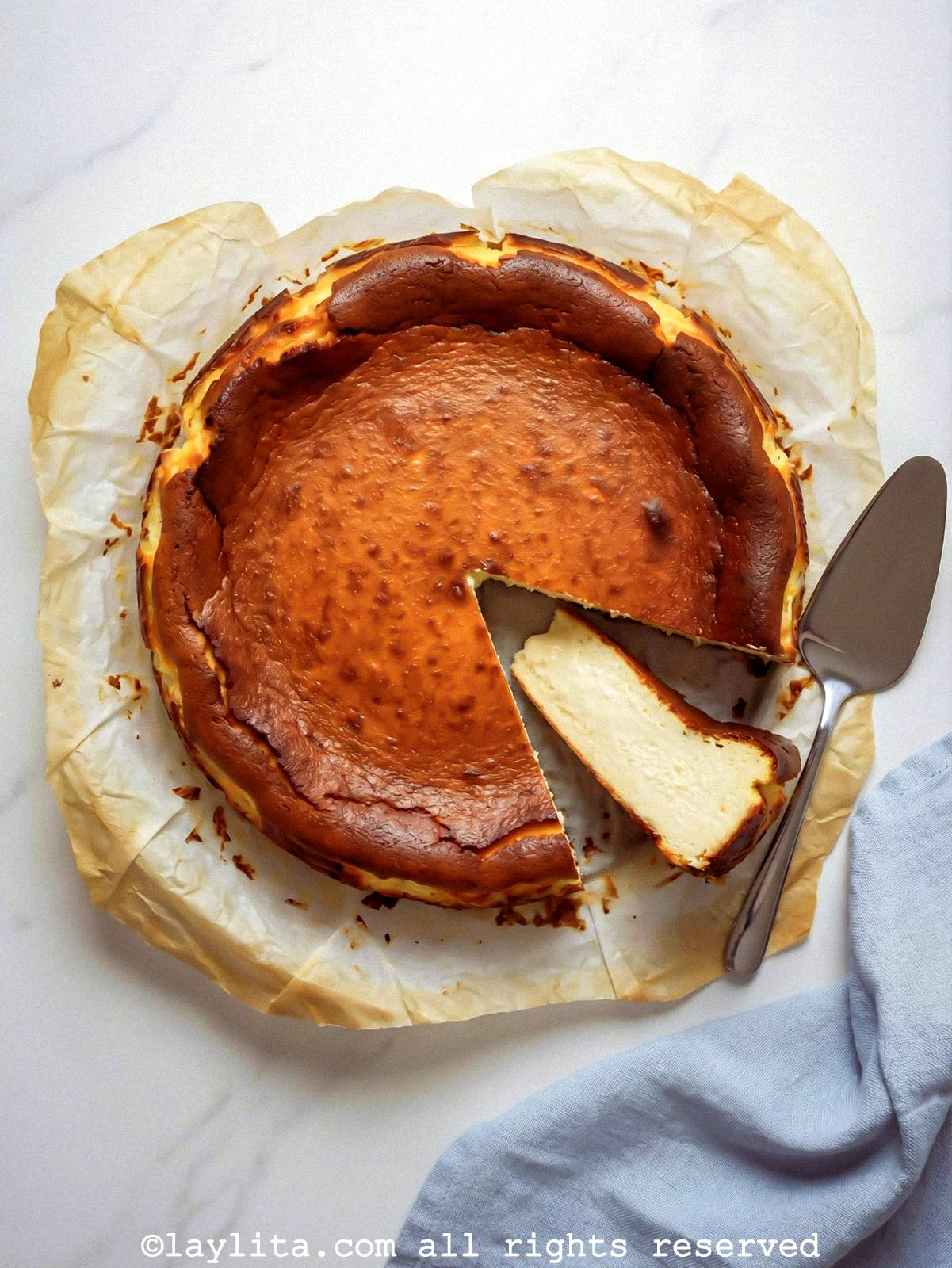
Basque cheesecake (tarta de queso vasca) is a crustless cheesecake that originated at La Viña, a bar in San Sebastián, in Spain’s Basque Country. Unlike a classic New York cheesecake, it’s baked at a very high temperature with no water bath, which gives it that signature deeply browned, almost burnt-looking top. Underneath that dark exterior is a filling that’s soft, creamy, and slightly custardy in the center!
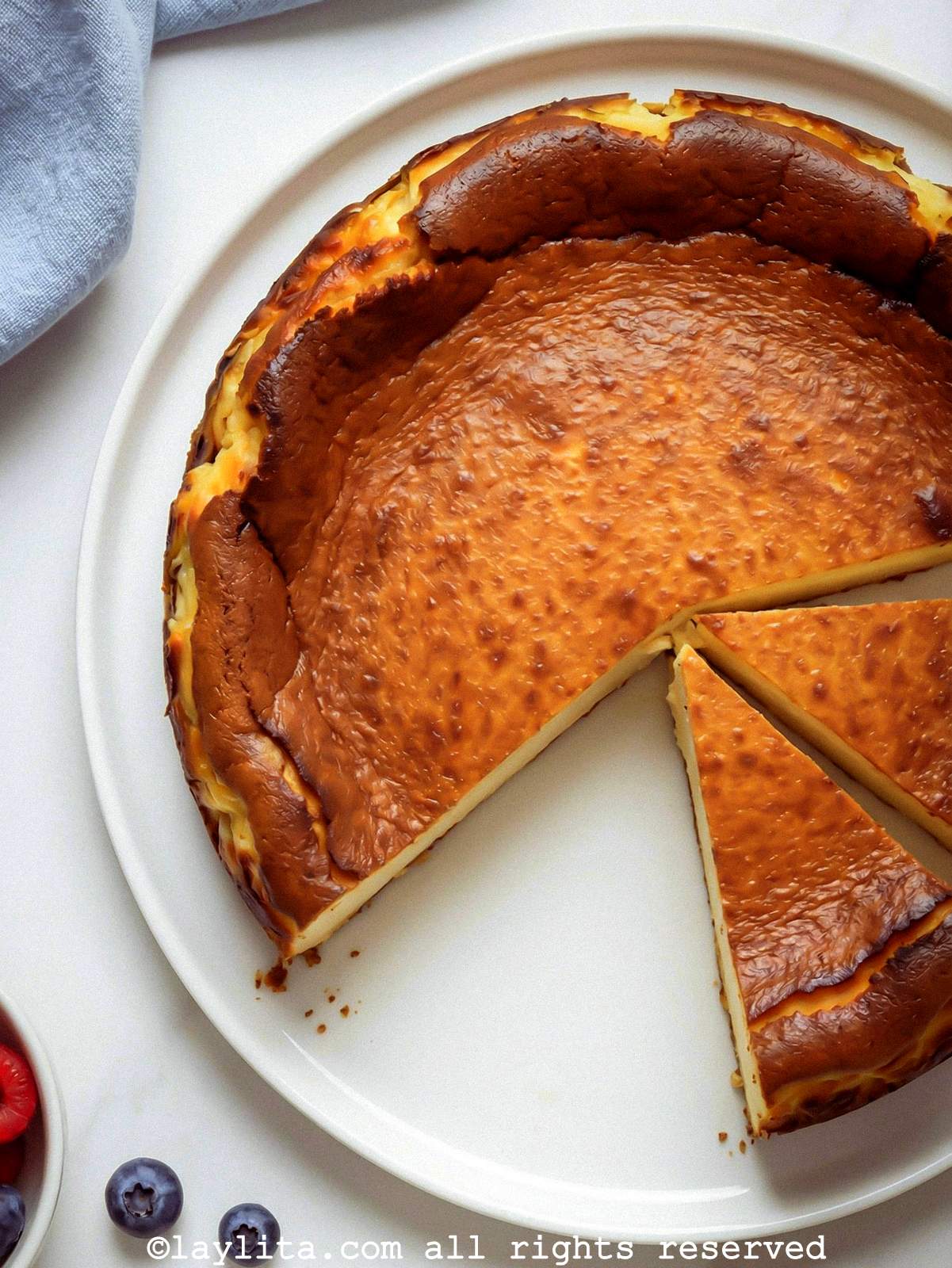
Why You’ll Love This Burnt Basque Cheesecake Recipe
- It’s nearly foolproof. There’s no crust to blind-bake, no water bath to fuss over, and no need to worry about the top cracking in a Basque cheesecake!
- The texture is out of this world. The center stays soft, creamy, and just a little jiggly, almost like a baked custard, while the edges are set and slightly caramelized.
- It comes together fast. With no crust to prepare and just one bowl of batter to mix, you can have this in the oven in about 15-20 minutes of active prep.
- It’s naturally gluten-free adaptable. Since there’s no traditional crust, all you need is a small swap for the flour to make this gluten-free.
- It looks impressive with almost no effort. That dramatic, deeply browned top makes it look like it came from a bakery, even though it’s genuinely one of the simplest cheesecakes you can make at home.
Ingredient Notes
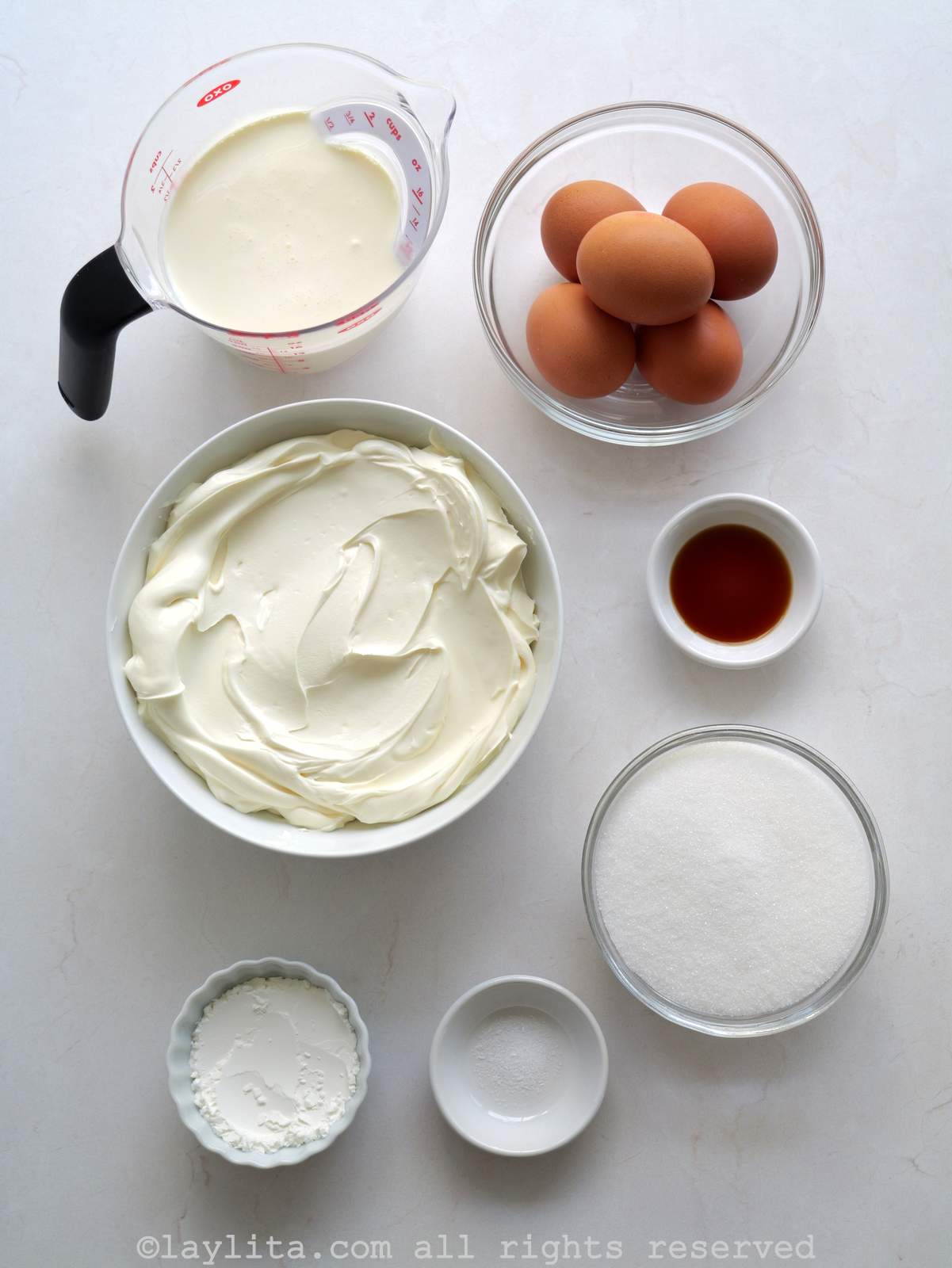
- Cream cheese: Use full-fat, block-style cream cheese and let it come to room temperature so it beats up completely smooth with no lumps.
- Granulated sugar: Sweetens the filling and also helps that gorgeous dark top caramelize in the hot oven.
- Salt: Just a pinch to balance the sweetness.
- Flour or cornstarch: Helps stabilize the filling so it sets properly while still keeping that soft, custardy center.
- Heavy whipping cream: Look for cream with at least 35% fat, since it gives the filling its rich, silky texture.
- Vanilla extract: Adds warmth and depth; a good quality vanilla makes a noticeable difference here since the flavors are so simple.
- Eggs: Whisked before adding, they help give the cheesecake its structure without making it dense.
Variations & Substitutions
- Flour swap: Cornstarch works just as well as flour if you want a gluten-free version, and either one gives a similar result.
- Individual portions: Divide the batter into small ramekins or mini springform pans for individual cheesecakes; just reduce the baking time and watch them closely.
- Flavor add-ins: A swirl of dulce de leche, melted chocolate, or fruit puree into the batter before baking adds a fun twist without changing the technique.
- Different pan sizes: If you use a larger pan, the cheesecake will be thinner and bake faster, so keep a close eye on it and adjust the time as needed.
Tips for Success
- Bring your ingredients to room temperature. Cold cream cheese and eggs are much harder to blend smoothly, and starting everything at room temperature helps you avoid lumps in the batter.
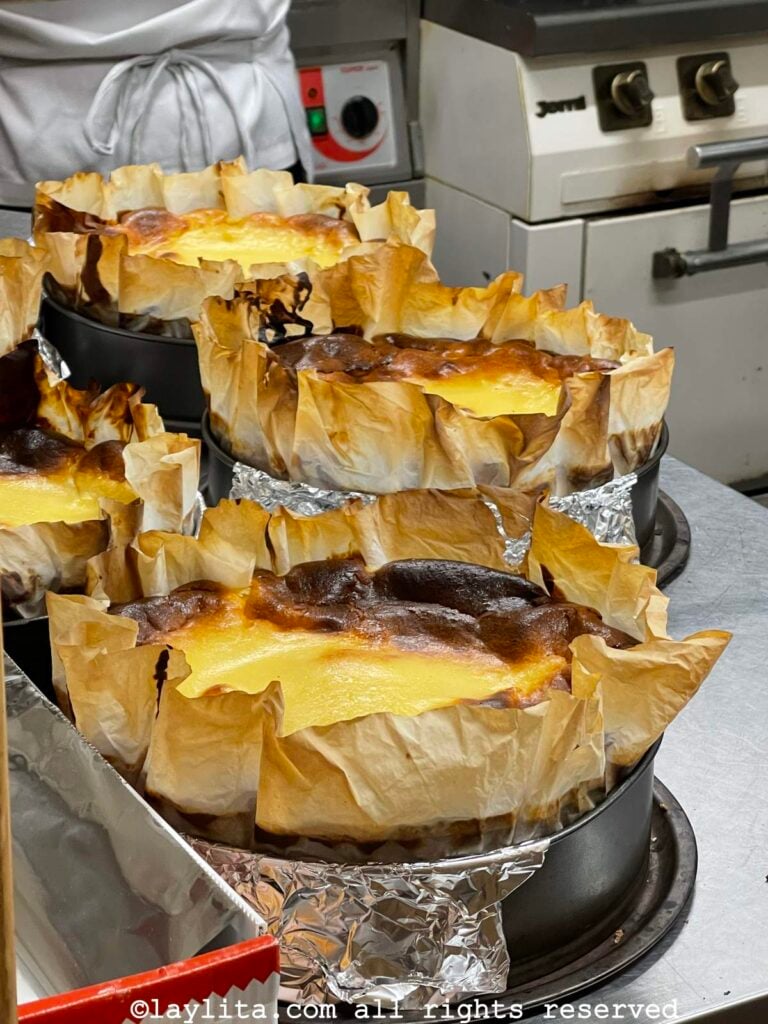
- Don’t skip the parchment paper overhang. Let the parchment come up high above the sides of the pan, since the batter will rise quite a bit while baking before it settles back down as it cools.
- Trust the jiggle. The center should still have a noticeable wobble, almost like gelatin, when you take it out of the oven. It will continue to set as it cools, so resist the urge to bake it longer.
- Give it time to chill. This cheesecake needs a full rest in the refrigerator, ideally overnight, so the texture can fully set before you slice into it.
Serving Suggestions
This basque cheesecake recipe can be served with a spoonful of strawberry rhubarb sauce or compote or warm mixed berries broiled with cream on top. A cup of good coffee or espresso alongside a slice is always a good idea, too, of course!
Storage Suggestions
Burnt basque cheesecake keeps well in the refrigerator for up to 5 days, just store it covered in the pan or transfer slices to an airtight container.
To freeze, wrap individual slices tightly in plastic wrap and then foil, and they’ll keep well in the freezer for up to 2 months. Thaw frozen slices overnight in the refrigerator rather than at room temperature, so the texture stays smooth as it comes back to temperature.
Frequently Asked Questions
What is the difference between Basque cheesecake and regular cheesecake?
Basque cheesecake skips the crust and water bath, baking at a high temperature to get a deeply caramelized top and a soft, custardy, jiggly center. Classic cheesecake, by contrast, has a crust and bakes low and slow for a firmer, denser texture with a paler top.
Why does Basque cheesecake look burnt on top?
That deep, almost-burnt color is intentional and comes from baking at a high temperature with no crust or water bath to shield the top. It’s what gives the cheesecake its signature caramelized flavor, so don’t worry if the top looks darker than a traditional cheesecake.
Why is my cheesecake still jiggly in the middle after baking?
That’s exactly what you want. The center should have a gentle wobble when it comes out of the oven, and it will continue to set as it cools and chills, giving you that soft, custardy texture in the middle.
Do I need a water bath for this recipe?
No, one of the things that makes Basque burnt cheesecake so approachable is that it’s baked without a water bath. The high, direct heat is actually what creates the dark top and unique texture, so skipping the water bath is part of the technique, not a shortcut.
Basque Cheesecake
Ingredients
- 24 oz cream cheese, room temperature – 680 grams
- 1 cup granulated white sugar – 200 grams
- 1 pinch of salt
- 2 tbs regular flour or cornstarch – 20 grams
- 1¼ cups heavy whipping cream, at least 35% fat – 300 ml
- 1 teaspoon vanilla extract
- 5 medium eggs or 4 large eggs whisked
Instructions
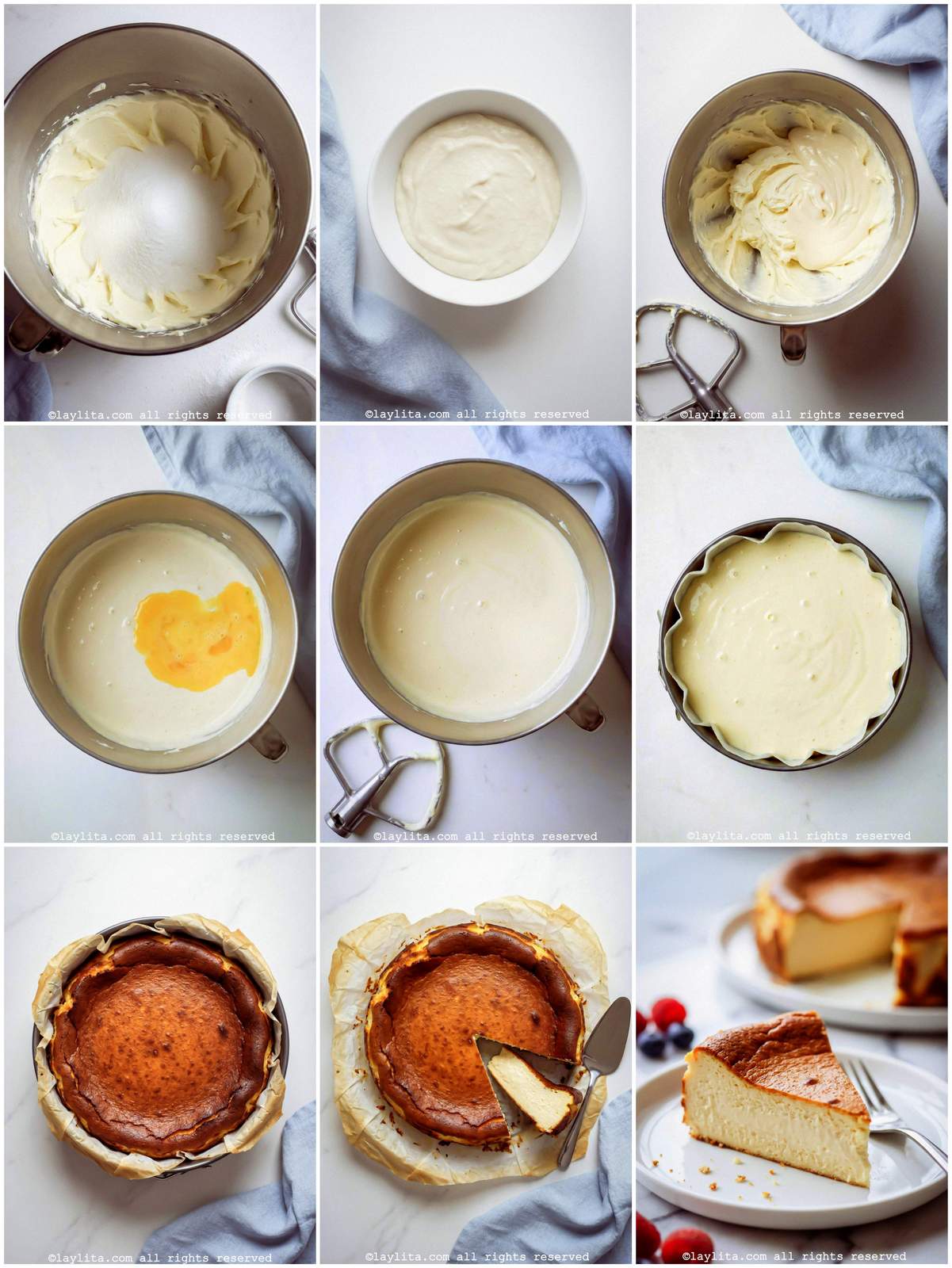
- Preheat oven to 420°F (210 °C). Line an 8-inch/20 cm springform pan with a base of foil and then add a layer of parchment paper covering the base and sides of the pan.

- Beat the cream cheese with an electric mixer until it is completely smooth and lump-free.
- Add the sugar and pinch of salt, mix until smooth.
- In a separate bowl, whisk the flour or cornstarch with a small amount of cream to form a smooth paste. Add remaining cream and vanilla. Stir until smooth.
- Slowly add the flour and cream mixture into the mixing bowl with the cream cheese and mix well.
- Add the whisked eggs. Mix until well combined, don’t overmix.
- Pour the cheesecake batter into the prepared pan and tap gently to release air bubbles.
- Bake at 210 °C or 420°F for 50-55 minutes or until the top is a dark golden brown and the center is still slightly jiggly.
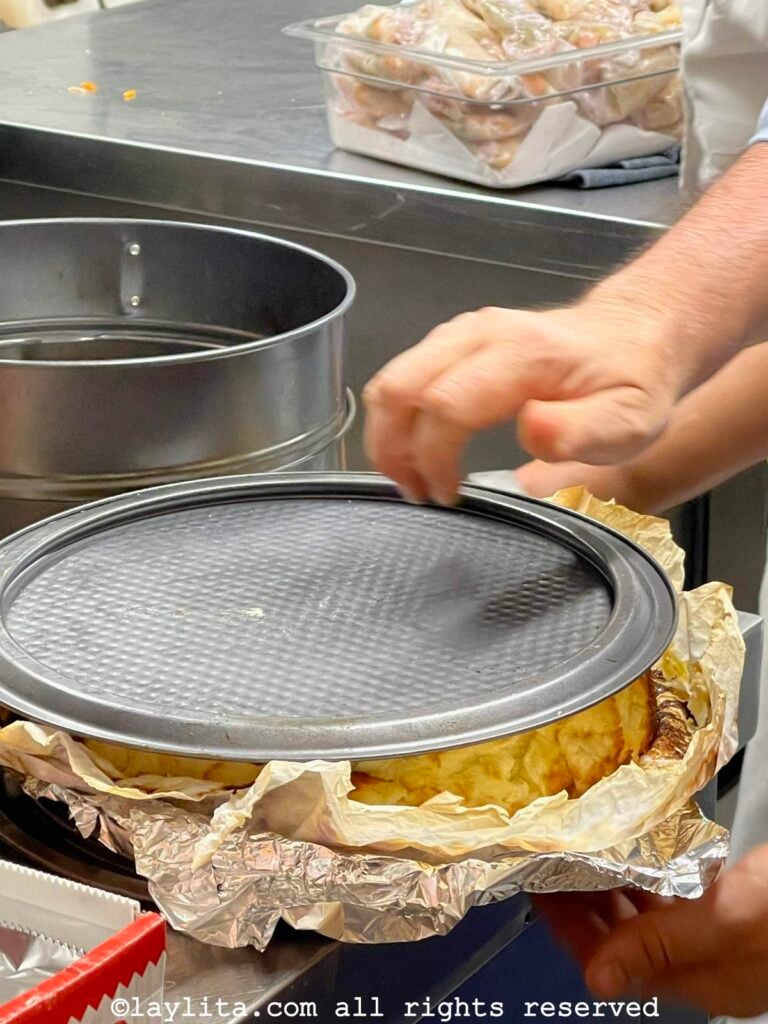
- Cool at room temperature for 2 hours, then refrigerate for at least 8 hours or overnight.
- Let sit at room temperature for 20–30 minutes before slicing and serving.
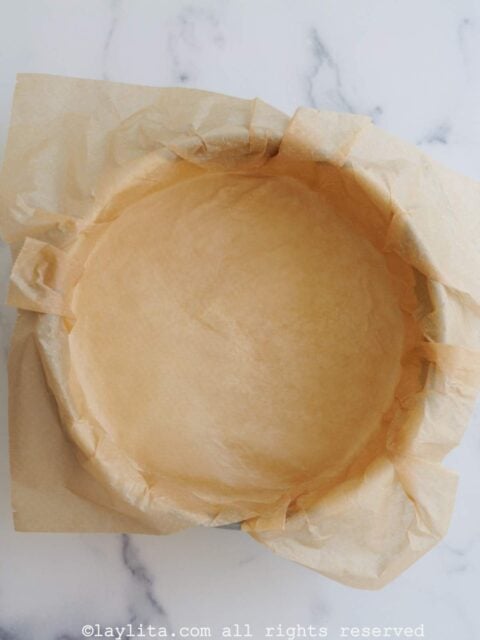
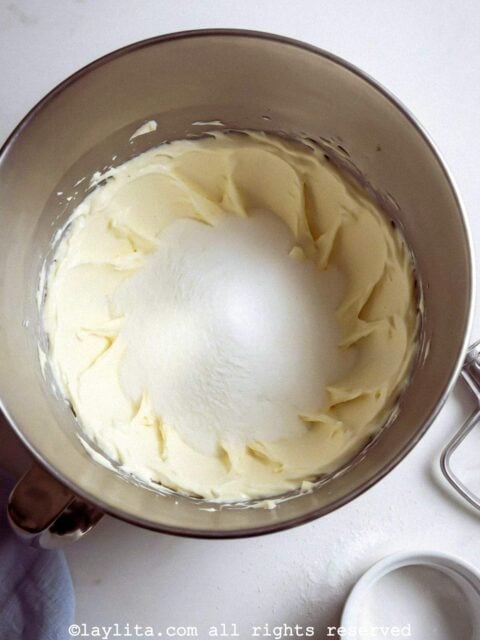
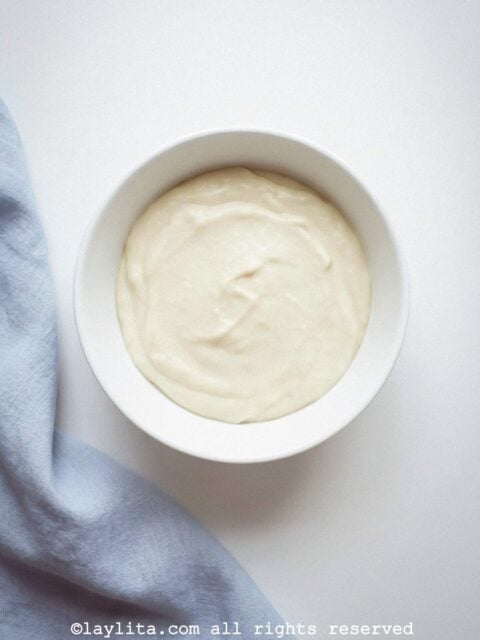
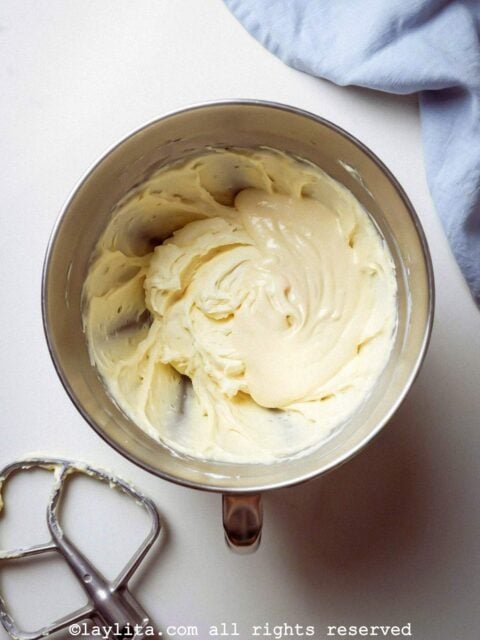
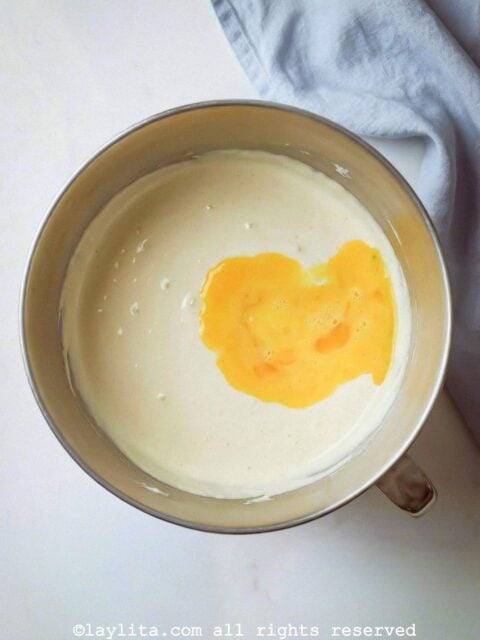
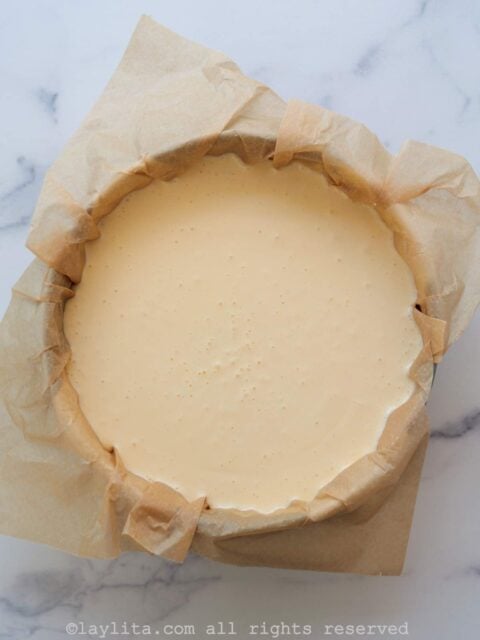
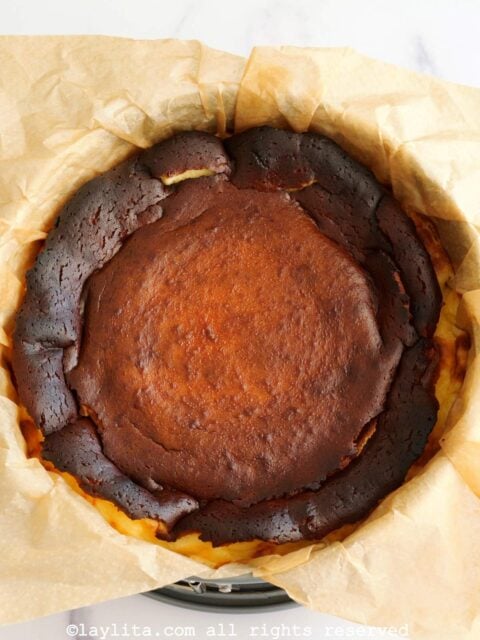
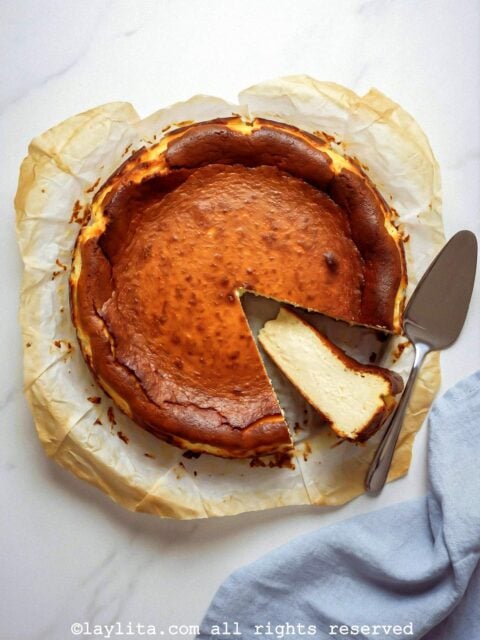
Photos of the step by step preparation process for Basque style Burnt Cheesecake:
More Dessert Recipes to Try



Discover more from Laylita's Recipes
Subscribe to get the latest posts sent to your email.